


- Posted on 18 Mar 2026
- 5-minute read
‘Dirty fuel’ may sound scary. But here’s why we’re unlikely to see a wave of new disease with this temporary lift in sulfur levels.
Australians may have seen headlines warning “dirty fuel” is back, temporarily, to ease fuel supplies. The phrase sounds alarming, but it has a specific and fairly narrow meaning.
In this context, “dirty fuel” refers to petrol with higher sulfur content than Australia’s newest fuel standards allow.
So how worried should we be about our health if we use petrol containing more sulfur over the coming weeks? What about people with asthma?
Why the backflip?
Sulfur is a naturally occurring component of crude oil. When fuel is burned in engines, sulfur contributes to air pollution, particularly the gas sulfur dioxide (SO₂) and fine particles (known as PM2.5). When inhaled, both can affect our health.
Australia only fully adopted ultra-low sulfur petrol standards in late 2025, bringing sulfur levels down to 10 parts per million (ppm) across all petrol grades.
Until then, Australians had been using petrol with sulfur levels of 50ppm or more for decades.
But last week, the federal government announced a temporary 60-day exemption allowing petrol with higher sulfur levels (up to around 50ppm) back into the domestic market.
The decision was made in response to severe global supply disruptions, driven by conflict in the Middle East and the partial closure of the Strait of Hormuz, through which a sizeable proportion of the world’s oil normally flows.
According to the government, the exemption allows around 100 million extra litres of petrol per month to be diverted from export markets into Australian service stations, particularly in regional areas.
The government has emphasised the change is temporary and that fuel quality will return to the lower level of permitted sulfur once supply pressures ease.
Sulfur is also found in diesel, but the recently announced changes only relate to petrol standards.
Why does sulfur in fuel matter for health?
We can’t inhale sulfur itself directly from fuel. But burning petrol containing sulfur increases emissions of SO₂, which we can breathe in.
Sulfur exhaust emissions of SO₂ are also chemically transformed into sulfate particles that make up an important fraction of fine particulate pollution (known as PM2.5).
Sulfur in fuel also interferes with vehicle emission-control systems. It makes catalytic converters less effective. This indirectly increases other harmful pollutants, including fine particulate matter (PM2.5), which is linked to:
-
respiratory and cardiovascular disease (such as lung and heart disease)
Because of this, reducing sulfur in fuel is widely regarded as one of the most cost-effective air quality interventions, delivering population-wide health benefits over time.
What about a temporary increase like this one?
This is where context matters. The fuel now being allowed back into the system is no dirtier than what Australians were using for most of 2025.
In fact, for many drivers, it will be chemically similar to petrol they used last year without noticing.
Because Australia only switched to ultra-low sulfur petrol in late 2025, there has been little time for large population-level health gains to accumulate. Air quality improvements from cleaner fuels tend to emerge gradually, rather than within weeks or months.
That means a short-term reversal is unlikely to cause sudden, dramatic new health effects for the general population. There is no evidence a two-month increase will trigger a wave of new disease.
And while increased SO₂ levels in the atmosphere are not good for human health, Australian roadside monitoring studies (including monitoring SO₂) consistently report very low concentrations.
However, there are some important caveats:
-
sulfur emissions worsen air quality and disproportionately affect people with existing heart and lung diseases (especally asthma)
-
traffic-related pollution causes harm even at the relatively low levels found in Australia
-
we do not know precisely how much additional SO₂ or particulate pollution this temporary change will generate in Australian cities, because it depends on traffic patterns, weather and how petrol is blended at the refinery
-
we suspect any added health burden will be small, short lived, and concentrated near busy roads and enclosed spaces – but not zero.
In other words, this change is not ideal. But it is also not equivalent to introducing a brand new pollution source. It is closer to a brief return to very recent historical conditions.
What can people do to minimise their risk?
The advice for this period is largely the same as existing guidance on minimising harms from vehicle pollution. Practical steps include:
-
avoid idling vehicles in enclosed or poorly ventilated spaces such as garages and underground car parks. Exhaust pollutants, including SO₂, can build up quickly
-
reduce unnecessary car use where practical, particularly in congested urban areas
-
keep your distance from heavy traffic, especially for people with asthma, COPD (chronic obstructive pulmonary disease), heart disease, pregnant people, and young children
-
ensure good ventilation if driving in slow-moving traffic; close your windows and set the car aircon to recirculate
-
follow asthma or heart management plans, and seek medical advice if symptoms worsen.
For most Australians, no special protective equipment or behavioural changes are required beyond this type of air quality advice.
The bigger picture
Australia’s move to ultra-low sulfur petrol in late 2025 was a major public health win, long overdue and strongly supported by medical and environmental experts.
The current exemption reflects a genuine fuel security crisis – but it also highlights how fragile progress can be.
The key test will be whether this measure remains strictly temporary, and whether Australia continues to prioritise clean fuels as part of long-term health and climate policy once supply stabilises.
Cleaner fuel means cleaner air – and cleaner air saves lives. Even short detours from that path should be taken cautiously, transparently and for as little time as possible.
Authored by

Discipline Leader, Faculty of Science
The Conversation
This article is republished from The Conversation under a Creative Commons license.
News by topic

News
What the Australian government’s apology to LGBTQ+ Defence personnel and veterans means
Current or former Defence personnel can now “apply to have historical homosexual convictions extinguished from their service records”.
News
AI gives rural doctors tools to tackle antibiotic resistance
Evaluation shows new decision support tool helps rural and remote doctors make better antibiotic prescribing decisions.

News
A new study finds that to counter misinformation online, we need to copy its style
Online wording matters, even when the information stays the same, new research finds.
News
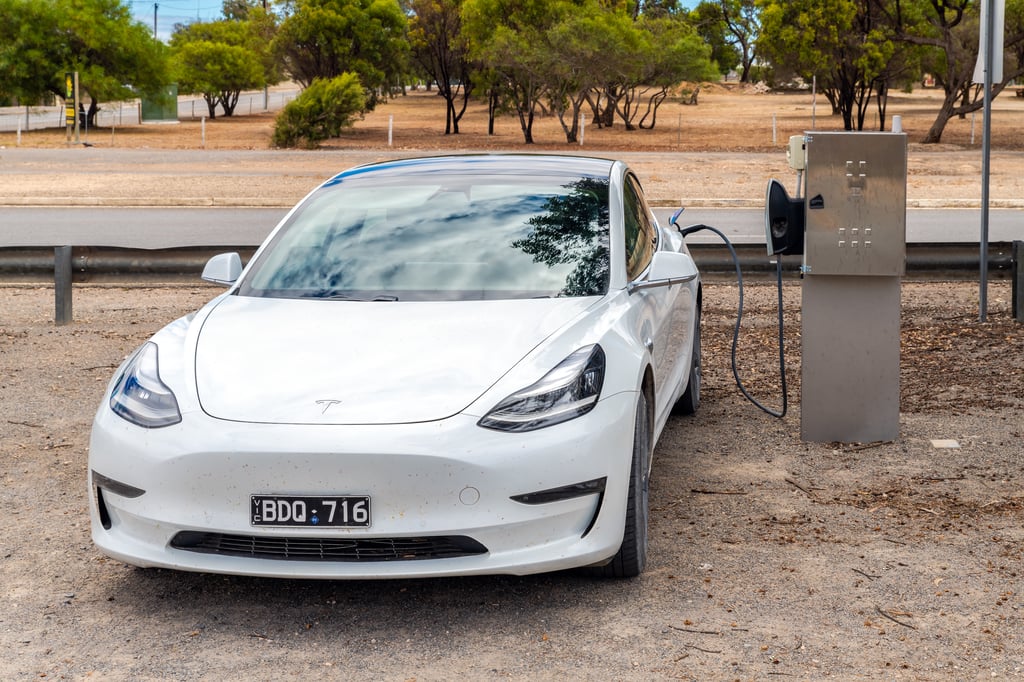
The electric car myths Australians can’t shake
Electric cars are dangerous, bad for the environment and impossible to use in the outback. These are just some of the claims circulating among Australians...
News
What the Australian government’s apology to LGBTQ+ Defence personnel and veterans means
Current or former Defence personnel can now “apply to have historical homosexual convictions extinguished from their service records”.
News
AI gives rural doctors tools to tackle antibiotic resistance
Evaluation shows new decision support tool helps rural and remote doctors make better antibiotic prescribing decisions.
News
A new study finds that to counter misinformation online, we need to copy its style
Online wording matters, even when the information stays the same, new research finds.
News
The electric car myths Australians can’t shake
Electric cars are dangerous, bad for the environment and impossible to use in the outback. These are just some of the claims circulating among Australians...