

- Posted on 9 Mar 2025
- 45-minute read
Leading the charge for equality on and off the field.
The Matildas are more than just a soccer team – they are pioneers who have elevated women’s sport to never-before-seen heights in Australia.
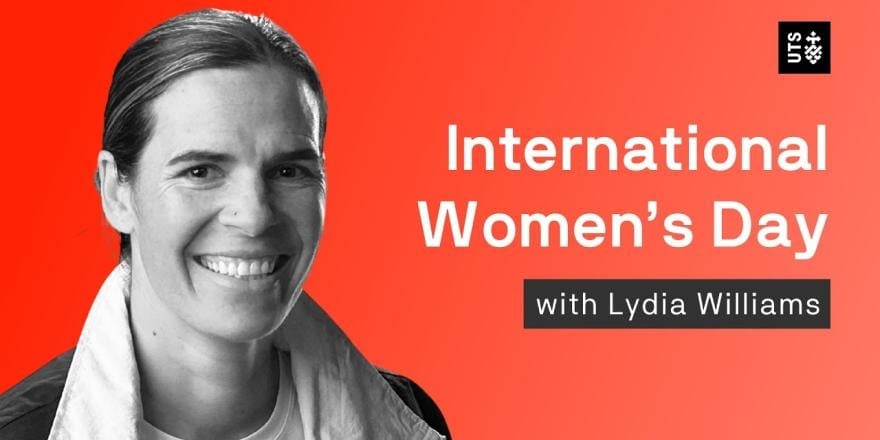
To mark International Women’s Day 2025, Lydia Williams, the first Aboriginal goalkeeper for the Matildas football team and 2x Olympian, shared her trailblazing journey in advocating for women in sport.
Lydia’s keynote was grounded in the concept of legacy, that is, the profound impact you leave behind.
She reflected on her childhood growing up in Kalgoorlie and the impact that her parents had on her sense of self and how she views the world. It was during this time that she learnt how to accept people no matter where they’re at, how to fight for what is right, and ultimately, the feeling you get from helping others.
Lydia then went on to describe the profound impact that football has had on her life, initially in helping her navigate the grief of losing her father to Cancer as a teenager, through to the Matilda’s successes, their historic fight for pay equity, and the proud legacy the team has left on sport in Australia.
“I’m just one Matilda, or retired Matilda now, that has an amazing story but each and every single one has a story of pursuit, of excellence and of drive and belief, and you put that all in a team and they kind of become a little unstoppable.”
Following this address, Lydia was joined by Dr Leila Khanjaninejad, Professor Karen O’Connell, Jane Fernandez and Amy Persson (moderator) to discuss dismantling barriers in sports and the impact that it can have in uniting people and progressing equality. You can view this panel discussion in the video below.
If you are interested in hearing about future events, please contact events.socialjustice@uts.edu.au.
"There has been more investment and more eyes on football. I do think it has improved from the opportunity women have had, now they are getting the same facilities as the men, the same medical treatment, the sports science. It has improved because of what they have been given. Imagine if you keep giving them more, it is like women want to go out there and prove you wrong, just let me do it."
– Lydia Williams
"I have a lot of hope for sport in Australia. I think it is a space where so much of our national identity and gender identity gets played out. We are at the tip of the iceberg. We have started to see really great games, but I think to really include women, all women, into some of our ideas about what our national sporting identity is, would just be exciting … National concepts of mateship, a fair go, an equal playing field, of supporting the underdog, I would love to see them come to fruition..."
– Professor Karen O’Connell
"I have worked in sport and major sports events since the 2000 Olympic Games … I have always had the strong belief in the power of sport to drive social change… When we started bidding to host the FIFA Women's World Cup, we always knew we had this amazing opportunity, and sports bring people together. There is a beautiful term I heard called collective effervescence and I think it captures it so well. We come together, we celebrate, but we also learn and that is why I love doing what I do."
– Jane Fernandez
"When it comes to intersectionality and sports, we need more research and evidence. In sport, different things intersect, like race, even the shape of the body and everything, and we really need to investigate it a little bit more and to have evidence. And then, that evidence can help us to shape and change the narratives."
– Dr Leila Khanjaninejad
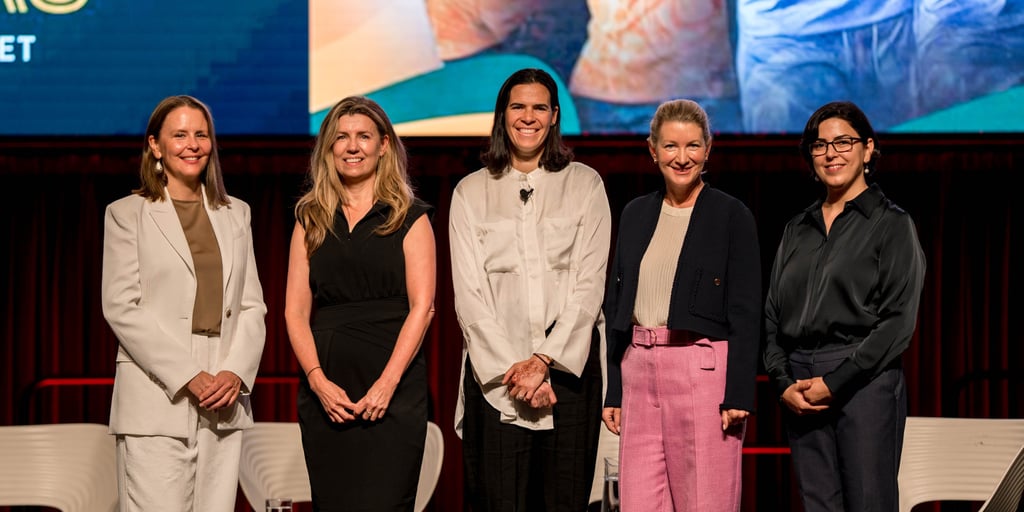
Speakers
Lydia Williams is the first Aboriginal goalkeeper for Australia’s Matildas and a 2x Olympian. With 138 caps for Australia, she is a renowned Australian athlete. She has played international football at the highest level for the Western New York Flash, PSG, Arsenal, and Brighton and Hove Albion Women. She is currently playing for Melbourne Victory for the A-League Women's team. Twice named PFA Women’s Footballer of the Year, she has also been inducted into the Aboriginal and Islander Sports Hall of Fame.
Dr Leila Khanjaninejad is a Lecturer in Creative Intelligence and Innovation in the UTS Transdisciplinary School. Her research focuses on gender equity and inclusion in male-dominated sectors, with a particular emphasis on the implications of organisational policies. Leila’s expertise lies in development studies and social sustainability. Over the past decade, she has conducted various research projects including the development of gender-responsive programs and studies on women in leadership and sports.
Professor Karen O’Connell from UTS Law, has over twenty years’ experience working on gender equality and sex discrimination issues in human rights practice and academia. Her research and law reform work focus on changing the way we think about, and regulate, sexual harassment and discrimination. She advises public and private organisations on workplace equality, and has won numerous awards, including the NSW Women Lawyers Association’s ‘Legal Academic of the Year’ in 2021.
Jane Fernandez is one of Australia’s leading Sports Administrators and is currently the Executive General Manager, Operations, Rugby World Cup Australia. Jane recently led the successful Bid to host the FIFA Women’s World Cup 2023 as Chief Operating Officer (Australia) and was instrumental in its success as the most transformative edition of the tournament ever. Jane is passionate about the power of major sports events to drive social change and is determined promote gender equality in women's sports and elevate Australia's presence on the global sporting stage.
Amy Persson (moderator) is the interim Pro Vice-Chancellor (Social Justice and Inclusion) at UTS. Amy is a public policy specialist who has worked across the private, public and not for profit sectors and was Head of Government Affairs and External Engagement at UTS. Previously, she held Senior Executive roles in the NSW Department of Premier and Cabinet and also ran the Behavioural Insights Unit and Office of Social Impact.