

- Posted on 27 Jan 2023
- 5-minute read
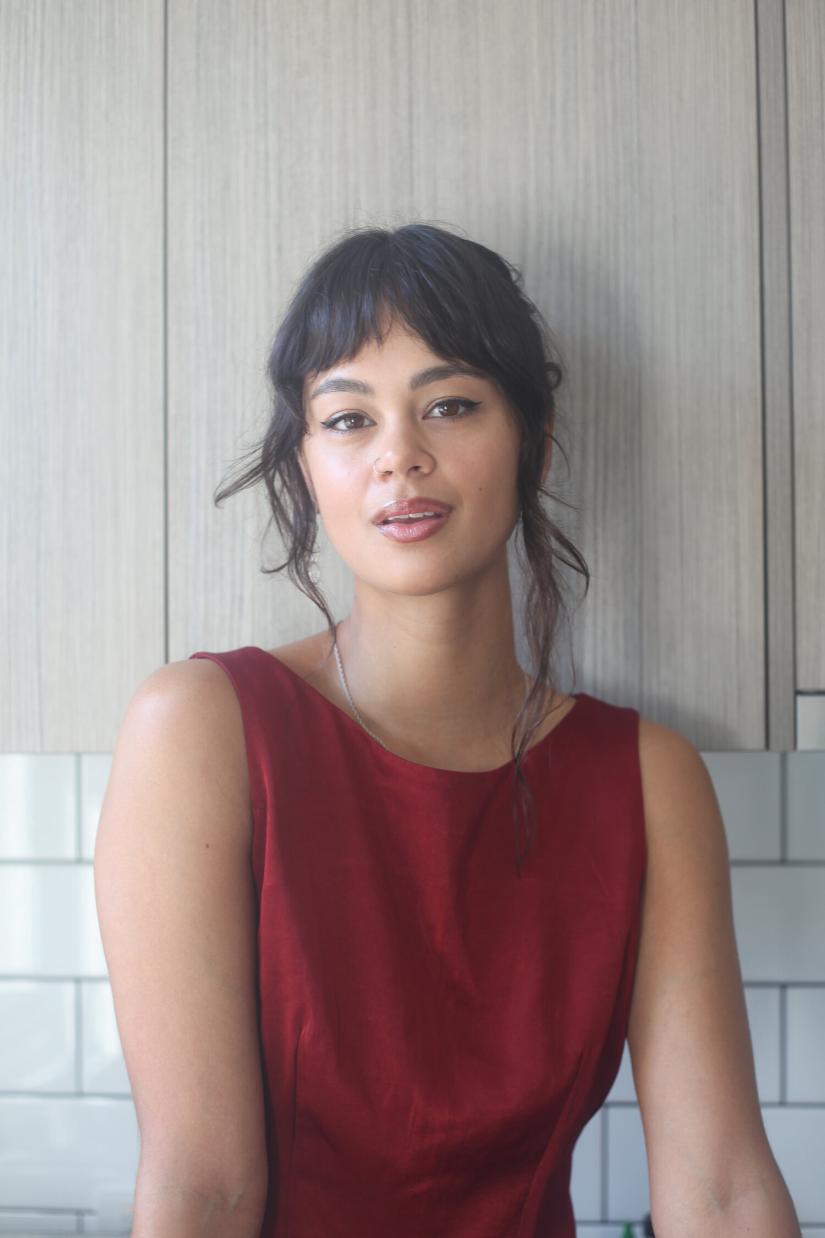
Journalist, podcaster, producer, and FASS grad Elfy Scott is releasing her first book this month, The One Thing We’ve Never Spoken About. Published by Pantera Press, the book focuses on “the silence and stigma that still surrounds complex mental health conditions in Australia."
Since graduating from the Master of Advanced Journalism program, Elfy has worked prolifically across a number of platforms, including Buzzfeed, Junkee, and Network 10.
In 2022, Elfy hosted and produced two podcasts; ‘Left Right Out’, a Spotify exclusive dedicated to answering listener's questions about Australian politics, and ‘The Green Canary’, a weekly wrap-up of environmental news. You might also recognise Elfy from her time as a senior producer and host of The Junkee Takeaway from 2019 to 2021, and her appearance on The Sunday Project.
In 2015 her work on animal experimentation in Australia for The Saturday Paper led to her shortlisting for Print Media of The Year by Voiceless, and in 2021 she took home a B&T Under 30 award in the producer and journalist category.
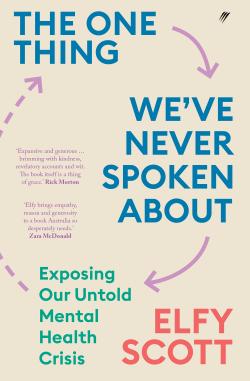
In the run up to the release of The One Thing We've Never Spoken about, Elfy talked with us about finding her literary voice, her inspirations, and her time at UTS.
Can you talk about why you studied Advanced Journalism at UTS? and how was your experience?
It was a hugely helpful program and actually led to my first job in a newsroom as the first science fellow for BuzzFeed News (Jenna Price, one of the courses lecturers at the time, was the one who suggested that I go for it and I had to reach out to her recently to thank her for being so encouraging and supportive). To be honest, I dont know where my career would be had I turned down the opportunity to take on the course and Im massively relieved that I made the right decision, in hindsight.
It was a hugely helpful program and actually led to my first job in a newsroom as the first science fellow for BuzzFeed News (Jenna Price, one of the courses lecturers at the time, was the one who suggested that I go for it and I had to reach out to her recently to thank her for being so encouraging and supportive). To be honest, I dont know where my career would be had I turned down the opportunity to take on the course and Im massively relieved that I made the right decision, in hindsight.
Can you tell us a little about your book?
I initially felt compelled to write it because I came to recognise two things from living with a mum who has schizophrenia: the first being that my mum lives extraordinarily well and there seemed to be a huge gulf of experience between her life and the lives of other people that I saw living with the same condition, and the second being that despite this, I could never bring myself to talk about it openly or honestly. I wanted to understand what was behind both.
I initially felt compelled to write it because I came to recognise two things from living with a mum who has schizophrenia: the first being that my mum lives extraordinarily well and there seemed to be a huge gulf of experience between her life and the lives of other people that I saw living with the same condition, and the second being that despite this, I could never bring myself to talk about it openly or honestly. I wanted to understand what was behind both.
How did writing a book differ from your past work? Is it an experience you'd do again?
It was a steep learning curve! Ive obviously written a huge amount in newsrooms and for podcast scripts (I co-hosted and produced the Spotify exclusive podcast, Left Right Out and the environmental news podcast The Green Canary in 2022) but the amount of mental organisation was quite brutal compared to all of that work. I also had to grapple with the idea of finding my voice for the book, which is absolutely not a typical literary voice, its extremely conversational and I struggled immensely with my natural writing tone. Id love to do it again maybe after a long, long break.
Your book stems from personal experience - is it difficult writing about something you're emotionally connected to?
It wasnt difficult so much because of my personal connection but rather because of the personal connections to people I love. I wanted everything in the book to do right by my mums story and I also needed everybody else in the family to be on board with what was being published. I had to keep everybody elses needs in mind above my own and that was a fine line to walk at times.
Did you do much of this kind of writing while at UTS?
I did a lot of writing at UTS but not necessarily this kind! I remember writing a lot of essays about climate science and epistemology, but none were nearly as personal or as detailed as what Ive attempted with this book.
Are there any journalists, writers or memoirists whose work helped shape this book? Or perhaps even researchers?
Ive absolutely been inspired by some amazing writers and books Rick Morton (My Year of Living Vulnerably) and Gina Rushton (The Most Important Job In The World) are two authors who come to mind immediately. However, I think the book was mostly shaped by the people with first-person experience of a mental health condition as well as the carers, family members, health care workers and advocates who were generous enough to trust me with their stories and time.