

- Posted on 5 Nov 2021
- 27-minute read
Human trafficking and slavery happens in Australia. It is not a historical artefact, but a tragic reality for millions of people around the world, including in Australia.
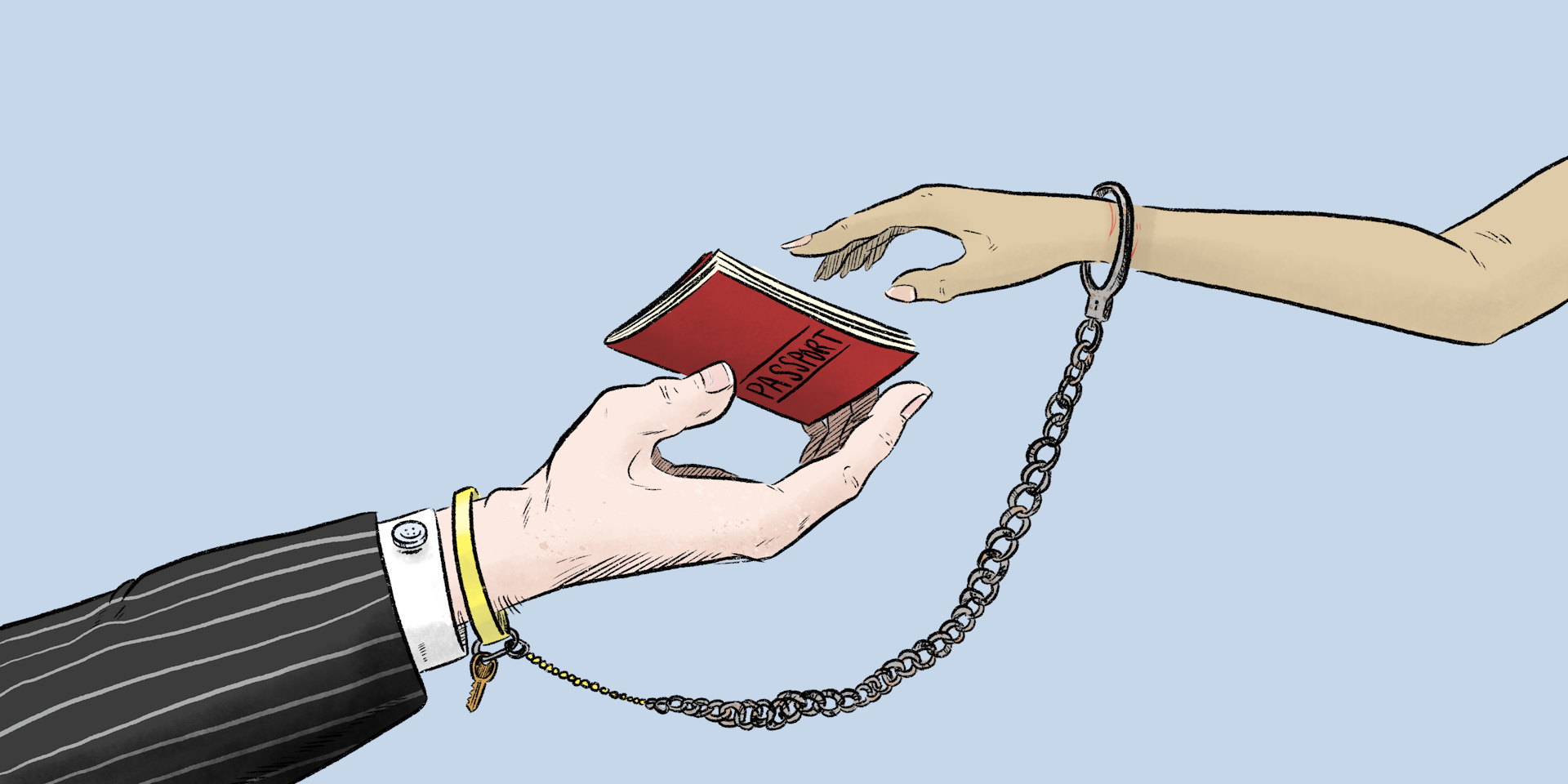
Many instances of slavery or exploitation start with the promise of a reasonably paying job in Australia. Wes Mountain/The Conversation,CC BY-ND
We might not want to believe it, but human trafficking and slavery happens in Australia. Slavery is not a historical artefact, but a tragic reality for millions of people around the world, including in Australia.
Recently, the term “modern slavery” has been used to contrast contemporary forms of slavery from historical slavery such as that seen during the transatlantic slave trade.
What is modern slavery?
In practice, modern slavery is an umbrella term that is often used to describe human trafficking, slavery and slavery-like practices such as servitude, forced labour and forced marriage.
But slavery is timeless. It has always been about the commodification of the body of a man, woman or child, the theft of liberty and sometimes life.
Anti-Slavery Australia, at the University of Technology Sydney, started researching and assisting trafficked and enslaved people in Australia back in 2002. For over 17 years, Anti-Slavery Australia has provided access to legal advice and assistance to hundreds of people who have experienced modern slavery.
In 2018 alone, Anti-Slavery Australia helped over 123 people who had been trafficked to or from Australia, or had faced slavery-like conditions while in Australia, including forced marriage, servitude and forced labour.
But this is just the tip of the iceberg. A recent report by the Australian Institute of Criminology estimates that only one in five victims are detected. This means that the cases we see are likely to be a small proportion of the scale of trafficking and slavery in Australia.
Vulnerable people of any background or status can be cruelly exploited. Some groups, such as migrant workers or young people, are more vulnerable than others.
Modern slavery in Australia
Below are four real-world examples, with names of individuals and businesses changed, to explain the different kinds of exploitation seen at Anti-Slavery Australia and considered in Australian courts.
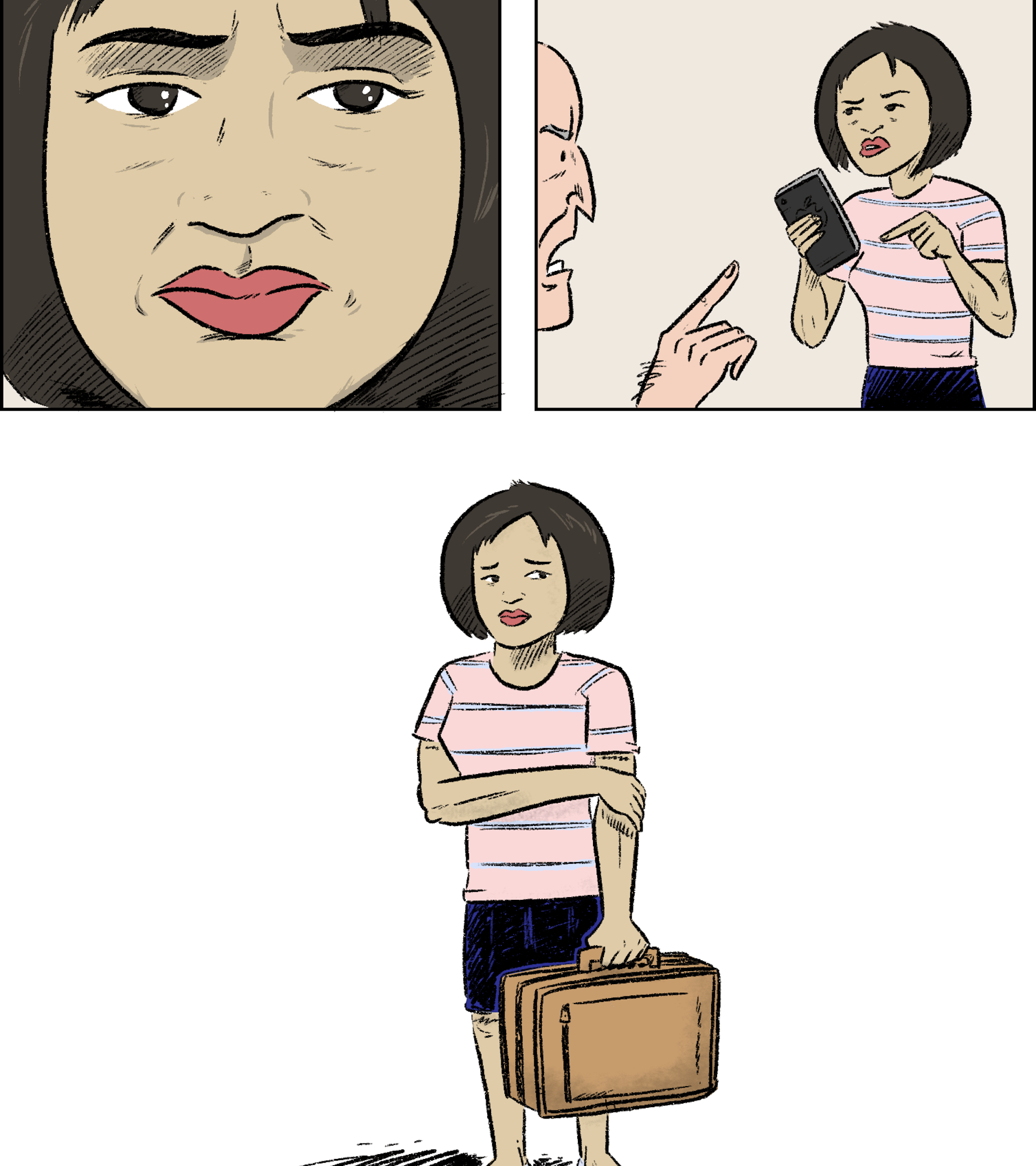
Slavery
Essentially, slavery is when a person is controlled as if they were mere property.
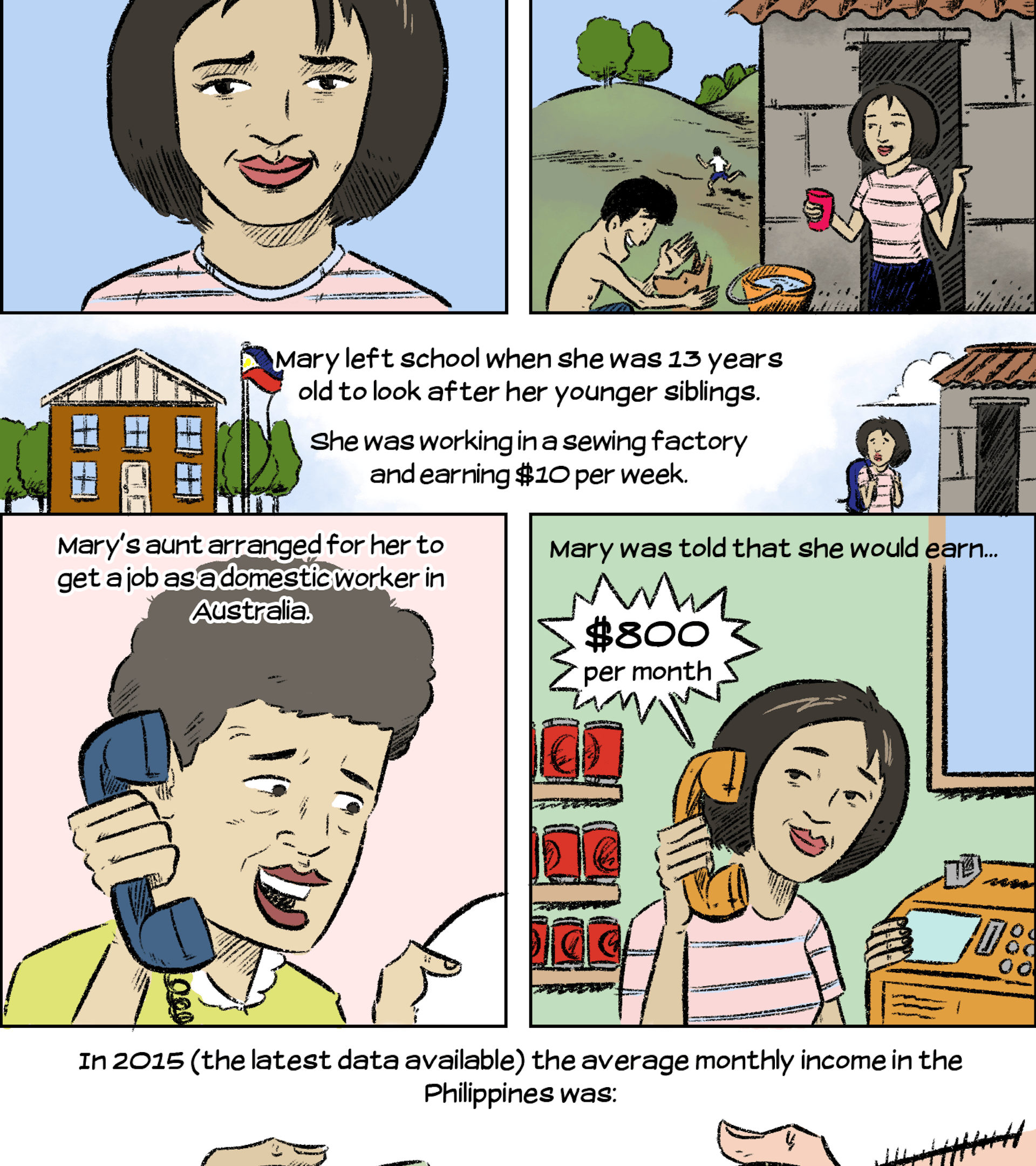
Wes Mountain/The Conversation, CC BY-ND
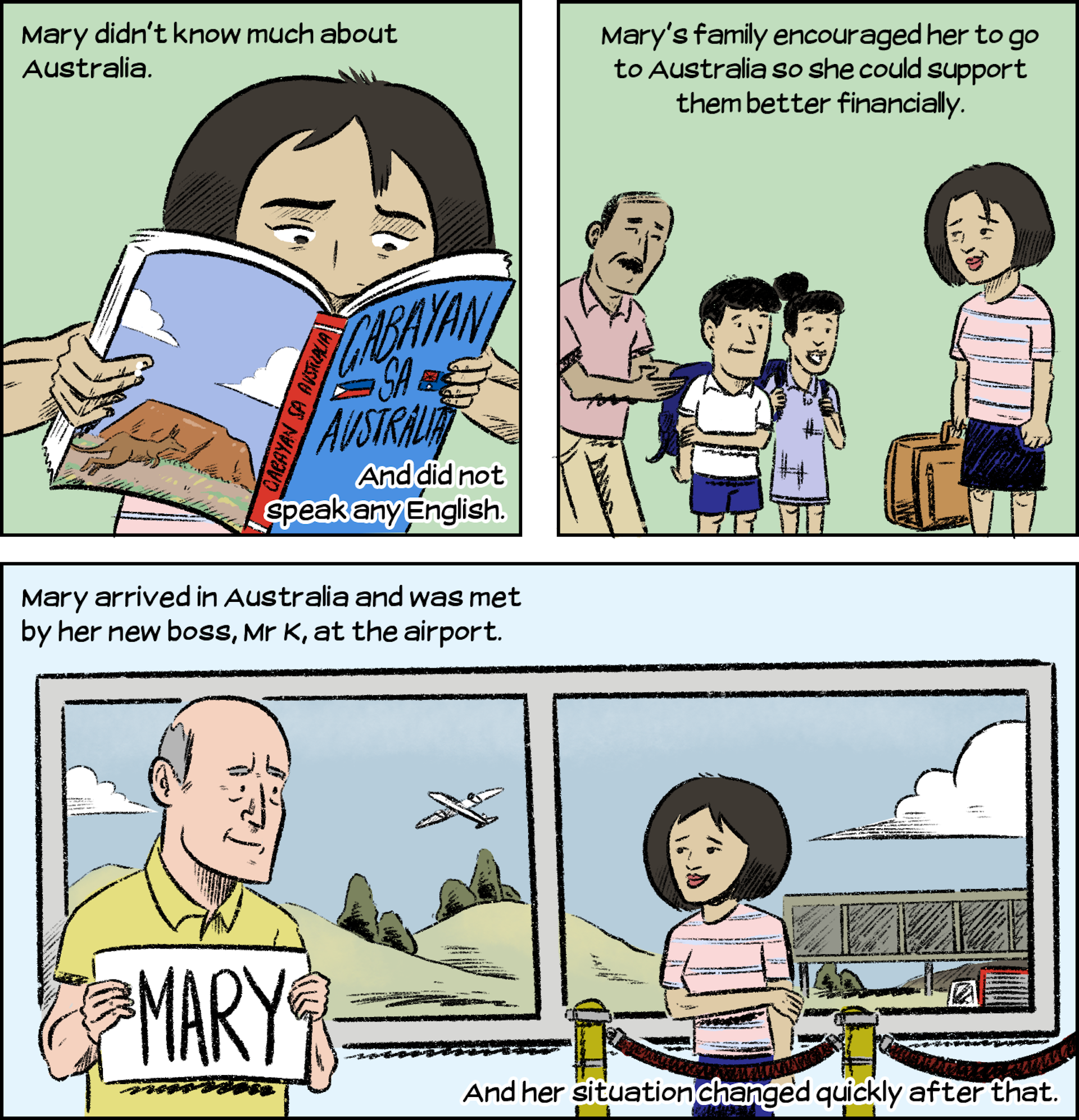
Wes Mountain/The Conversation, CC BY-ND
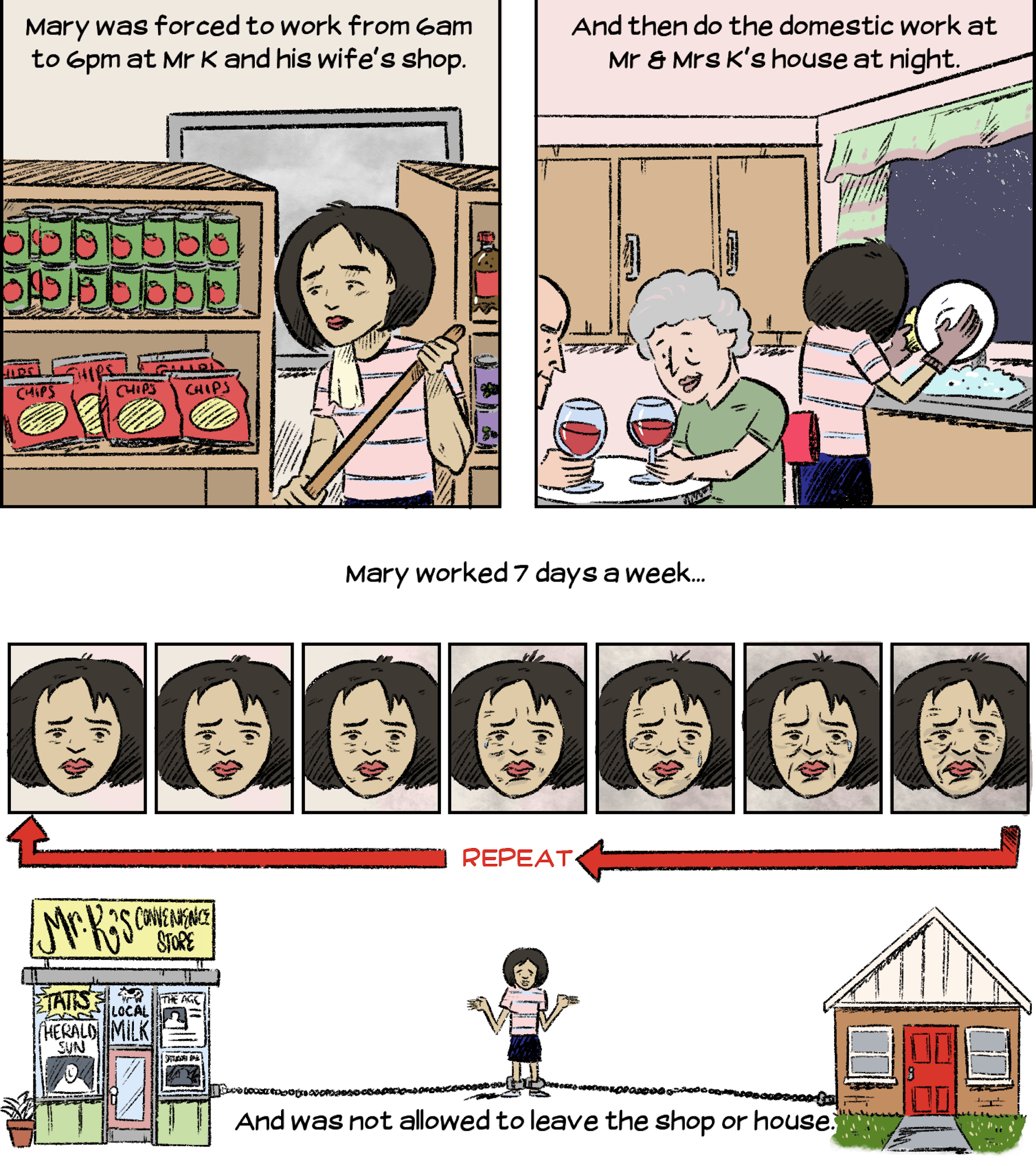
Wes Mountain/The Conversation, CC BY-ND
Wes Mountain/The Conversation, CC BY-ND
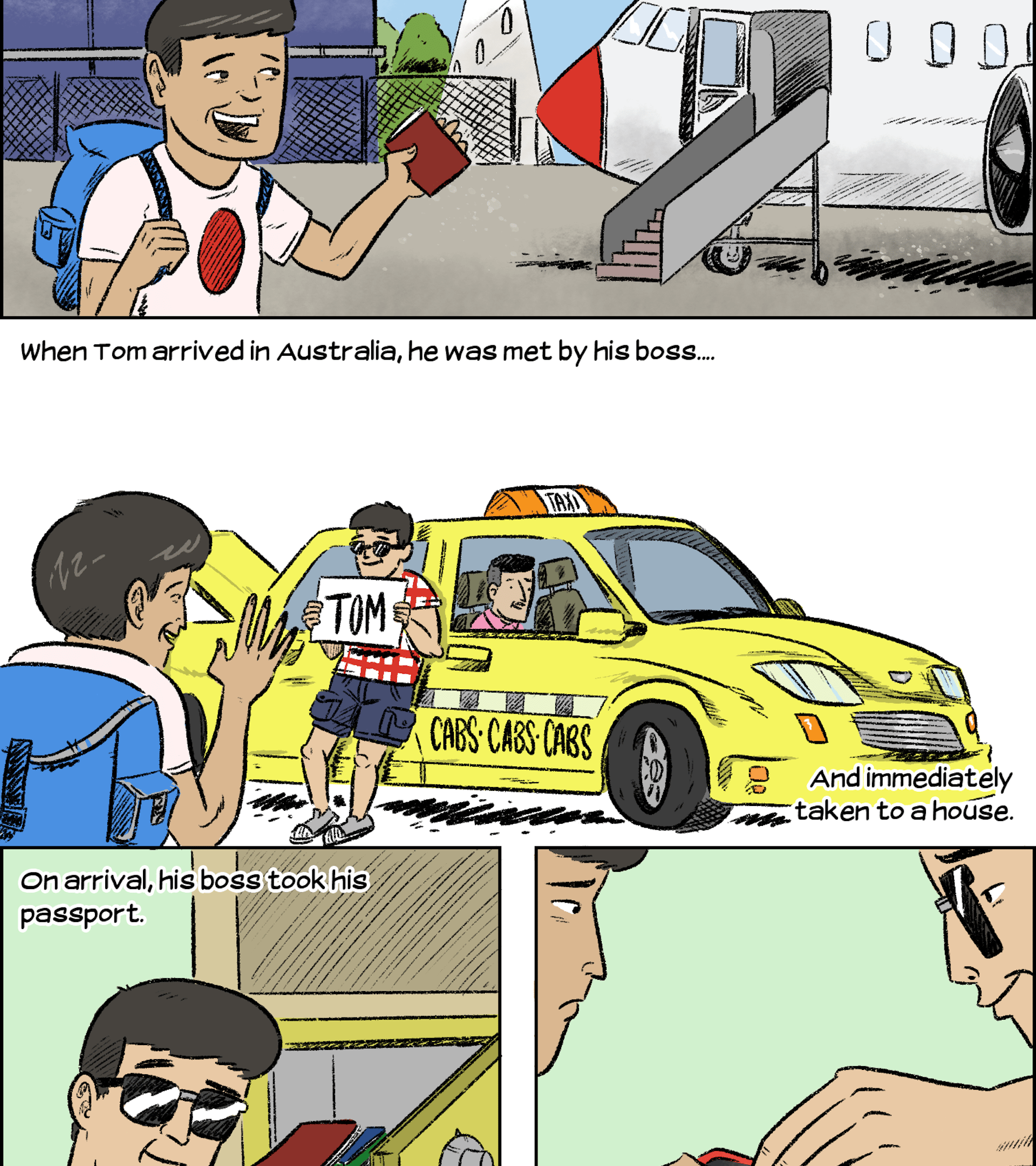
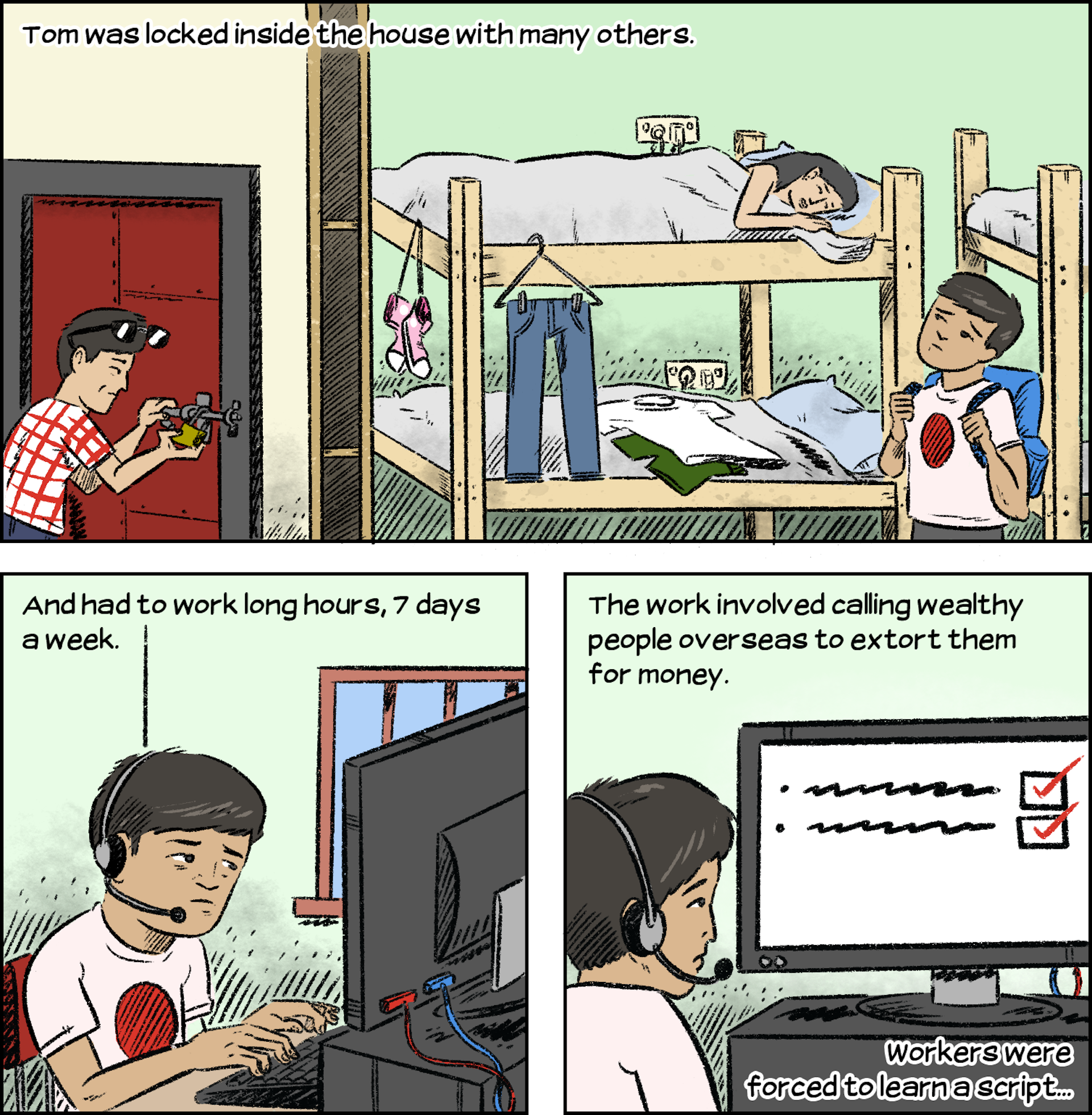
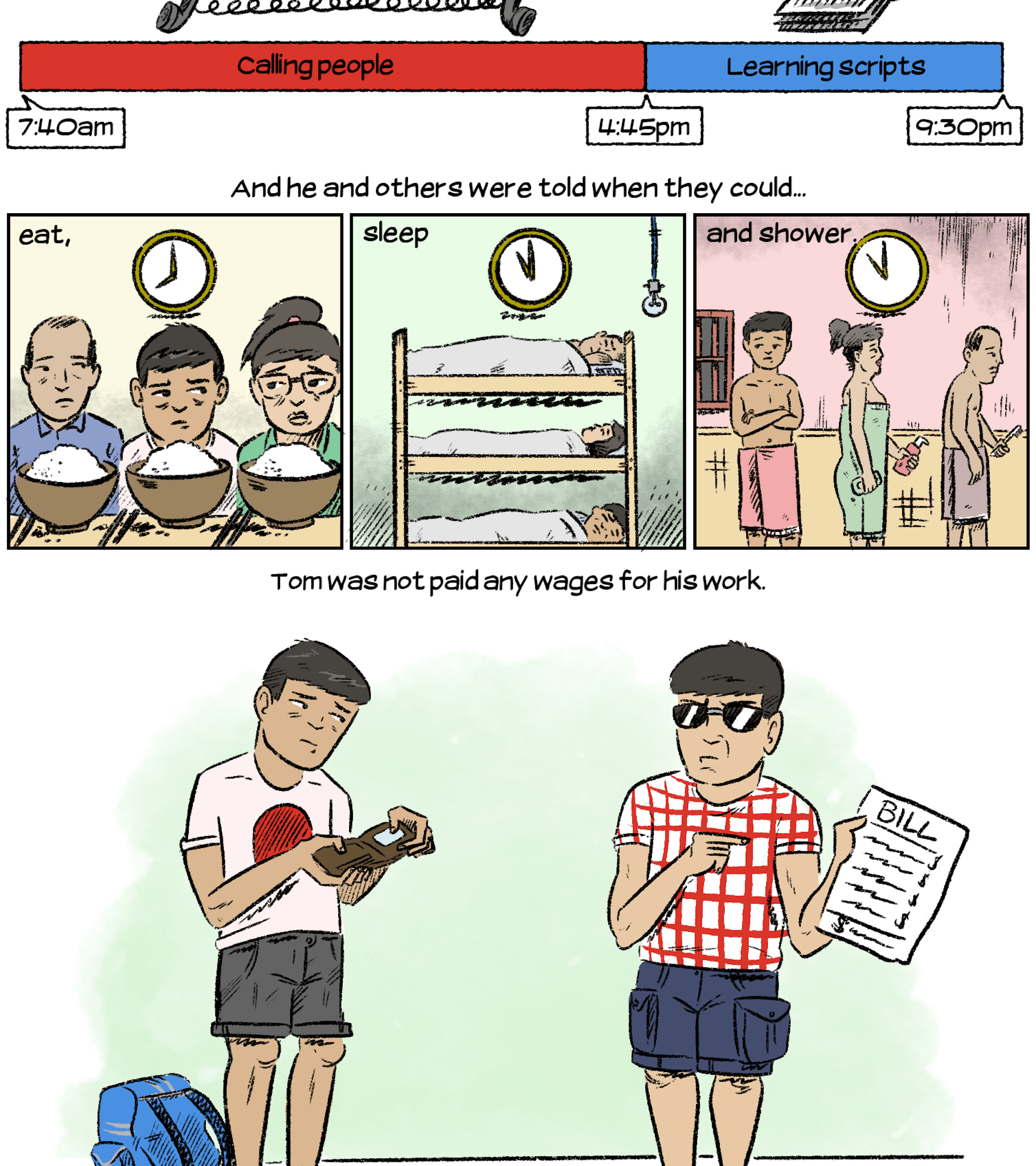
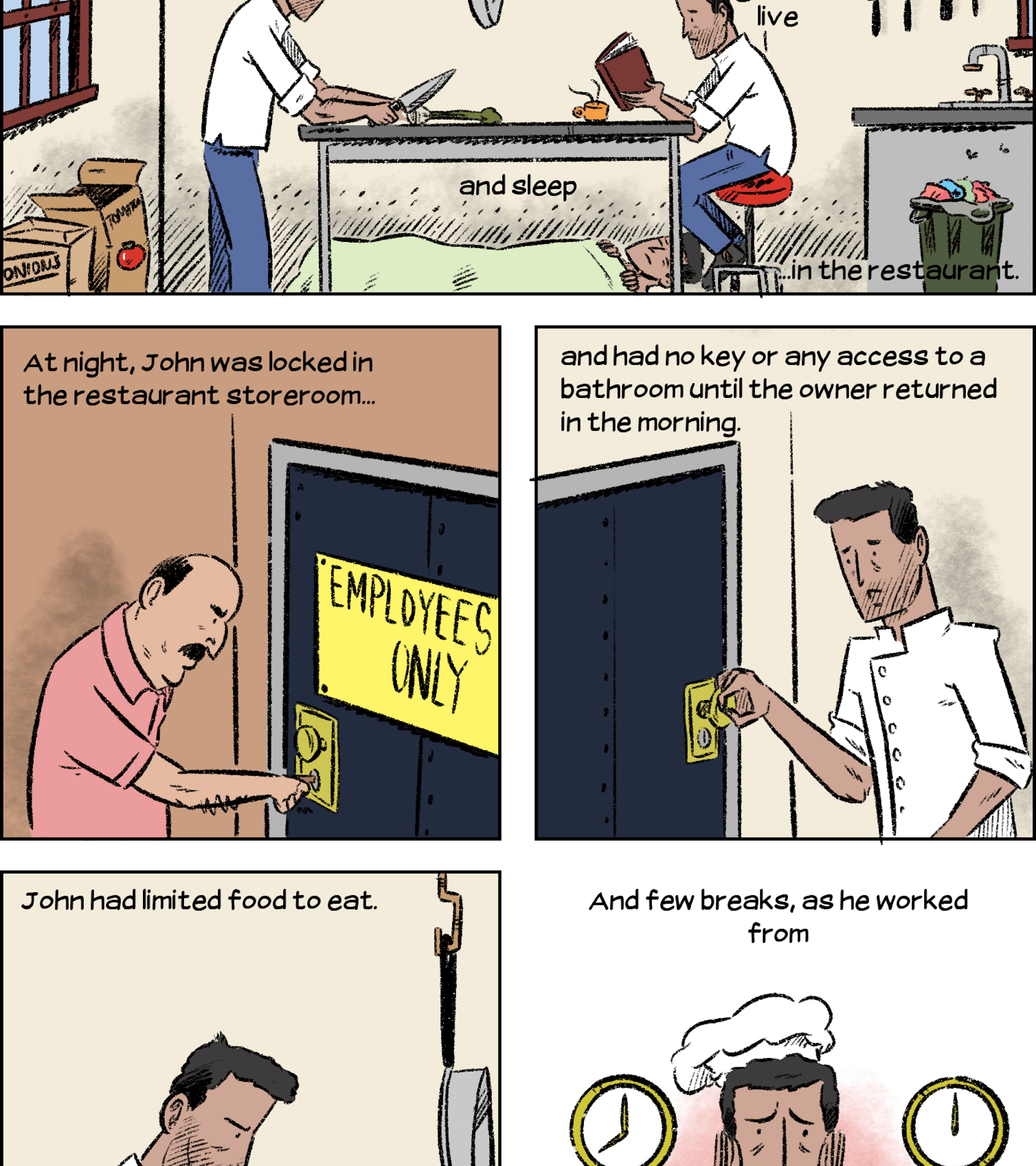
Servitude
Servitude is when a person does not consider themselves to be free to stop working or leave their workplace, because of threats, coercion or deception; and the person is significantly deprived of their personal freedom in their life outside of work.
Wes Mountain/The Conversation, CC BY-ND
Wes Mountain/The Conversation, CC BY-ND
Wes Mountain/The Conversation, CC BY-ND
Forced labour
Forced labour is when a person does not consider themselves free to stop working, or to leave their workplace, because of threats, coercion or deception.
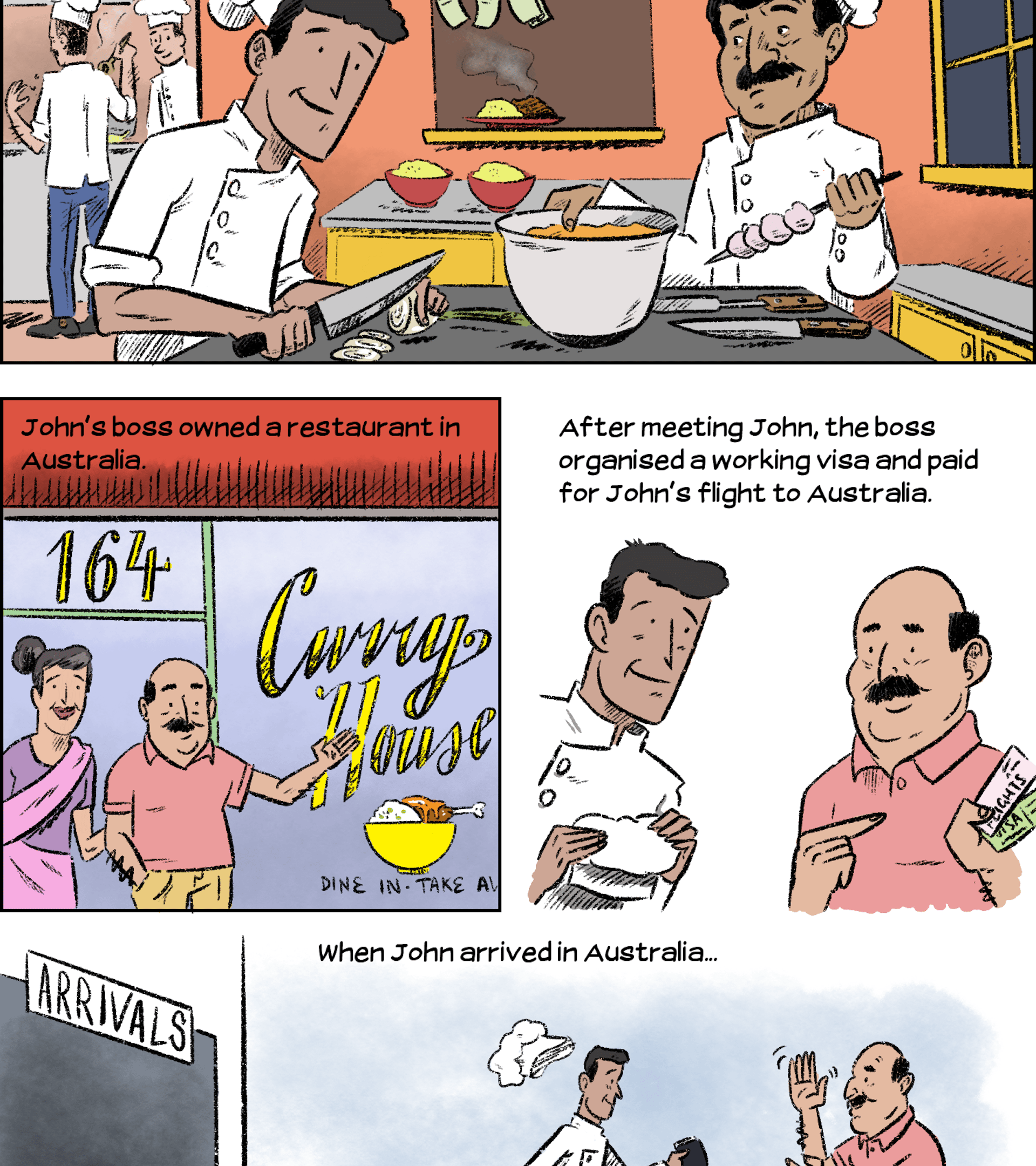
Wes Mountain/The Conversation,CC BY-ND
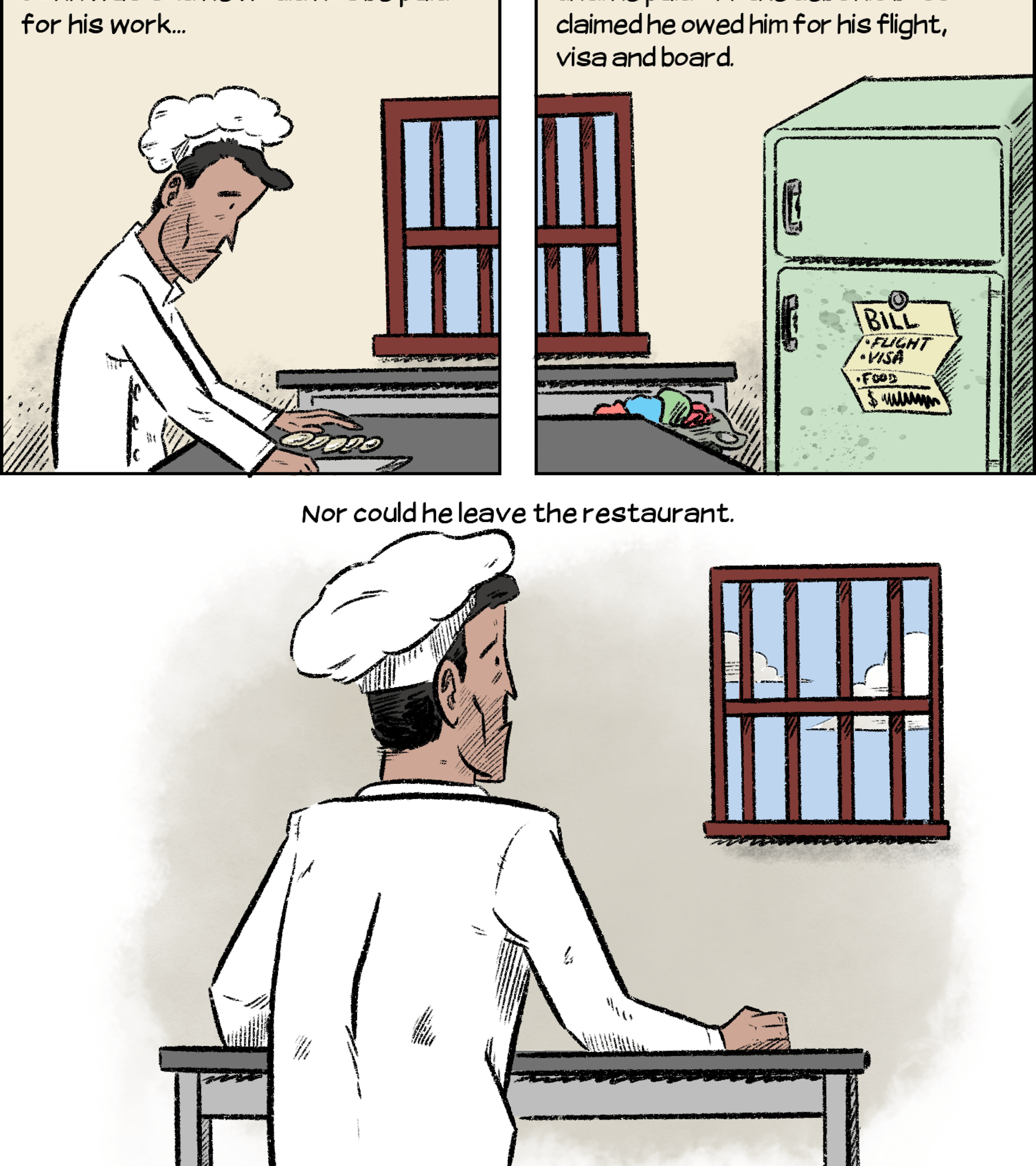
Wes Mountain/The Conversation,CC BY-ND
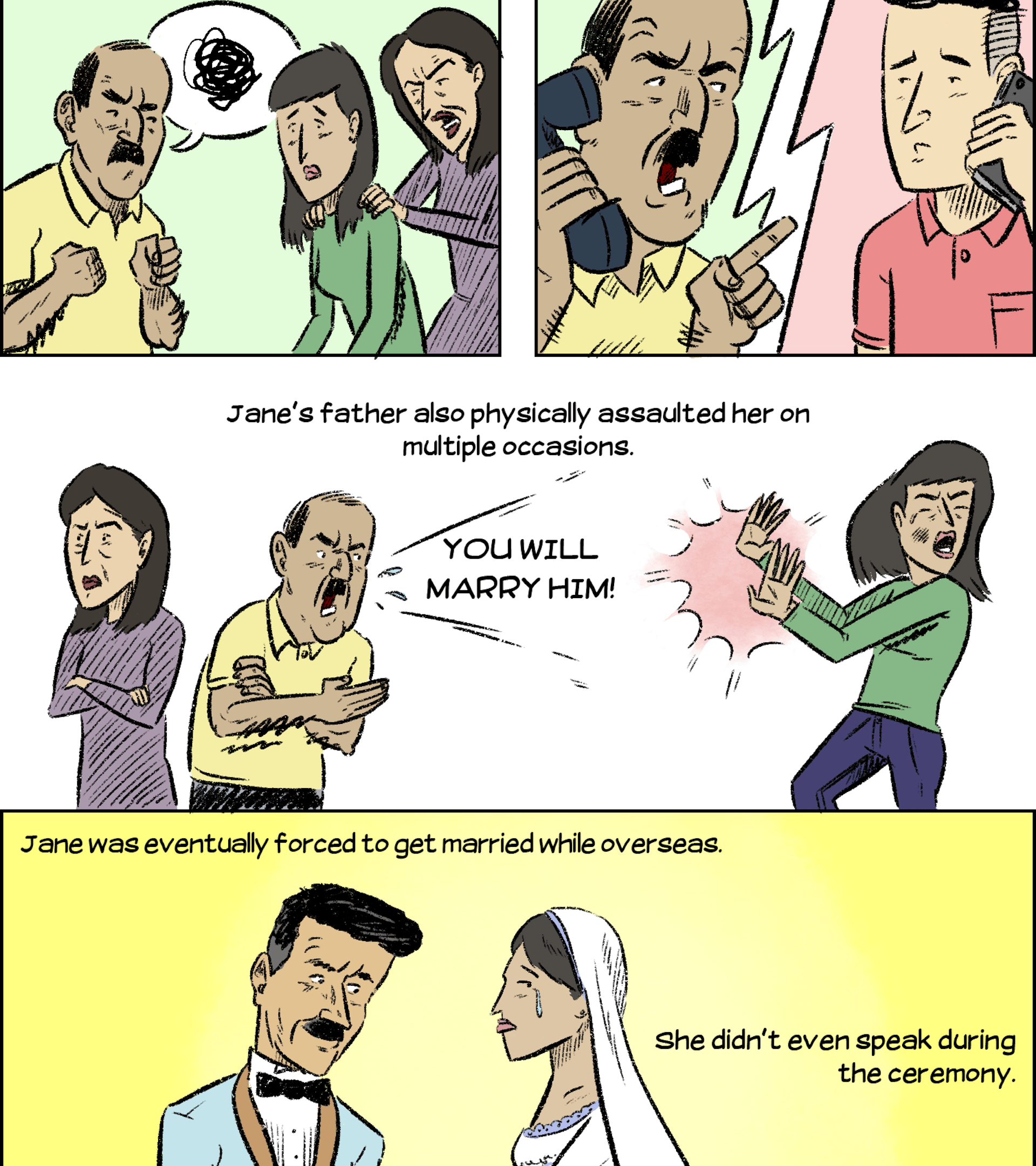
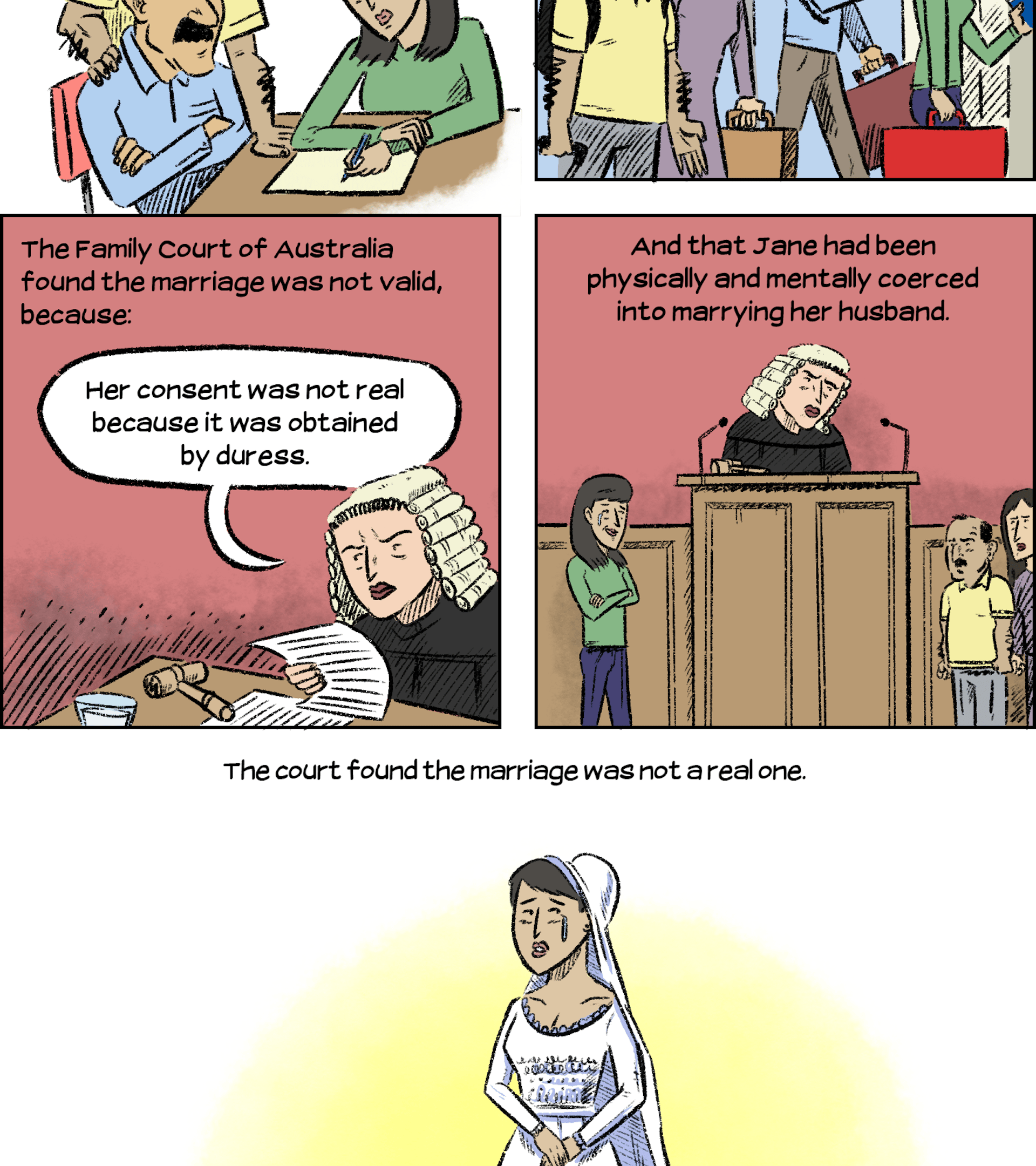
Forced marriage
A forced marriage is when a person is married without freely and fully consenting because of either coercion, threat or deception. It could also be because they’re incapable of understanding the nature and effect of a marriage ceremony, possibly because of their age or mental capacity.
A forced marriage is different from an arranged marriage or a sham marriage. The main difference is that there is consent in arranged and sham marriages.
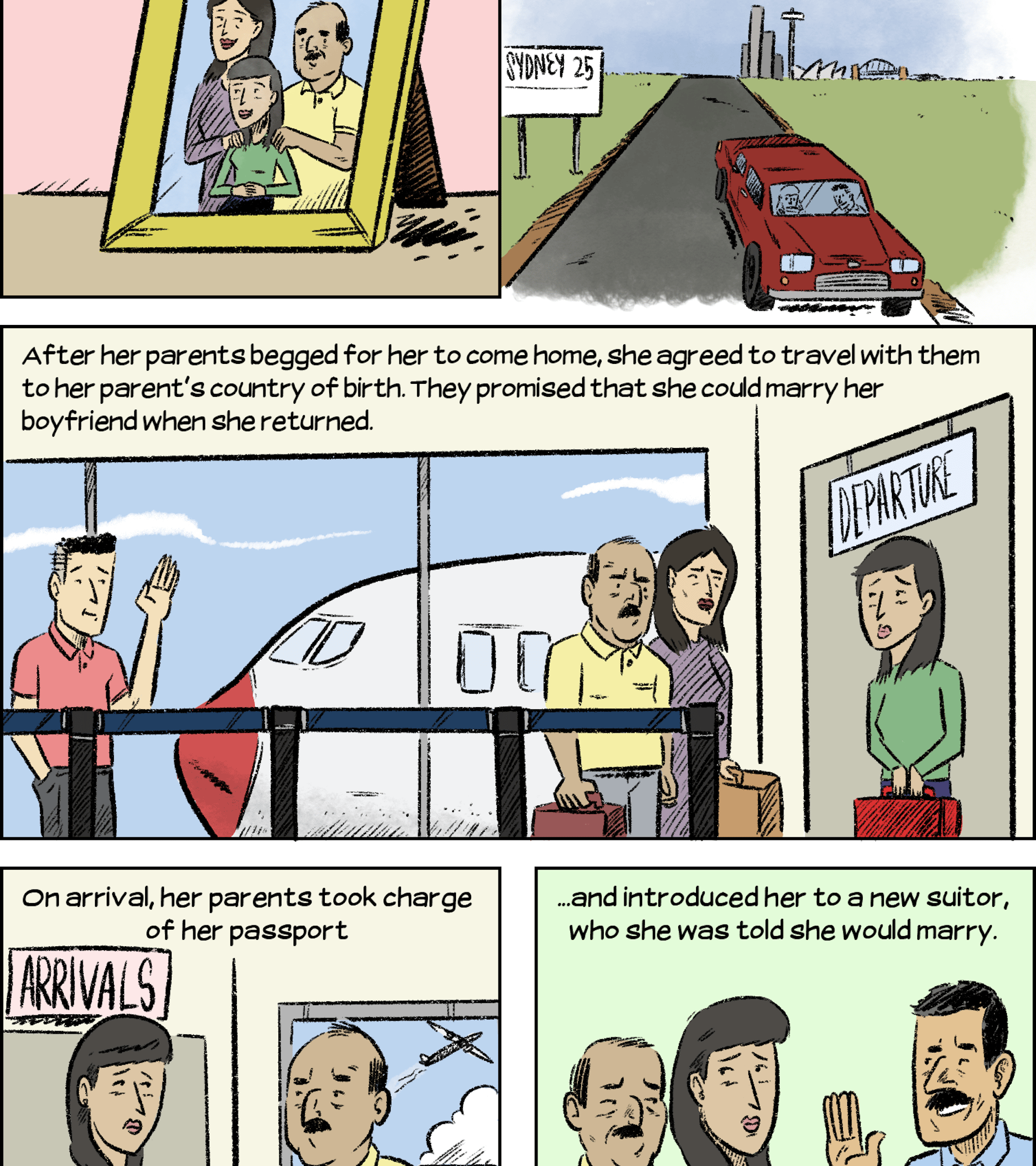
Wes Mountain/The Conversation, CC BY-ND
Wes Mountain/The Conversation, CC BY-ND
Wes Mountain/The Conversation, CC BY-ND
* Names of individuals and businesses have been changed for confidentiality
To find out more about the scenarios you have read, additional information and confidential legal advice contact Anti-Slavery Australia. See www.antislavery.org.au. For information and advice on forced marriage see www.mybluesky.org.au.
This is an edited version of a story that appeared in The Conversation.
Jennifer Burn is a Professor of Law at Anti-Slavery Australia at University of Technology Sydney. She’s also the NSW Interim Anti-Slavery Commissioner.
Byline: Jennifer Burn