

- Posted on 8 Nov 2021
- 4-minute read
As living arrangements for people with disability evolved from last century’s institutional model to a community based one, group homes – many with live-in support – became an often-seen alternative. While such homes clearly place their residents into a community, do they help those residents to feel part of that community?

As an organisation championing social inclusion, Achieve Australia has added individualised, supported, and independent accommodation to the mix – and was keen to understand whether, and if so how, such accommodation improved residents’ sense of autonomy and quality of life.
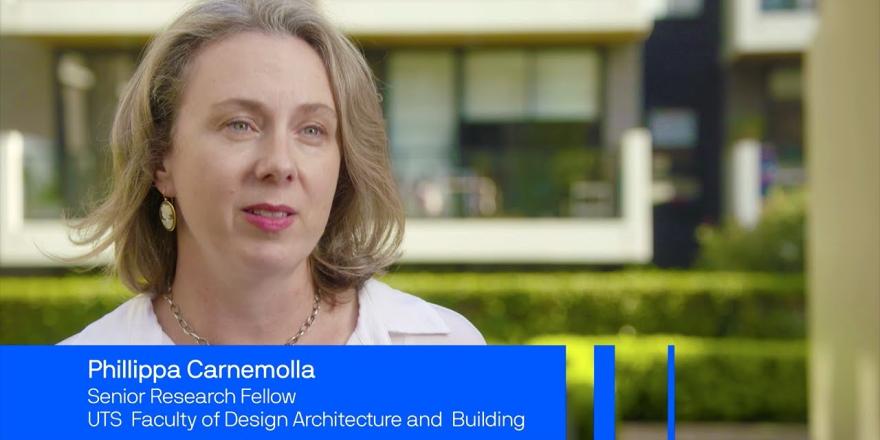
So they engaged a team from UTS School of the Built Environment, led by senior researcher Phillippa Carnemolla. Phillippa’s team met with over 25 people living in inclusive housing – with a view to learning the benefits and difficulties of such living from the residents themselves.
The body of knowledge that this project is building captures the experiences of people living in supported accommodation, to build a truly holistic understanding of the disability housing sector. With implications not just for homes, but for city design and community spaces as well.
UTS School of the Built Environment engages in research and teaching that helps to improve the inclusion and resilience of our cities, towns and communities. Our graduates and practitioners can and do genuinely make a positive impact upon the world around us.