

• Posted on 12 Oct 2021
  • 2-minute read

UTS academics had two Eureka moments at Australia’s premier science prizes, taking out major awards for scientific research and outstanding early career researcher.

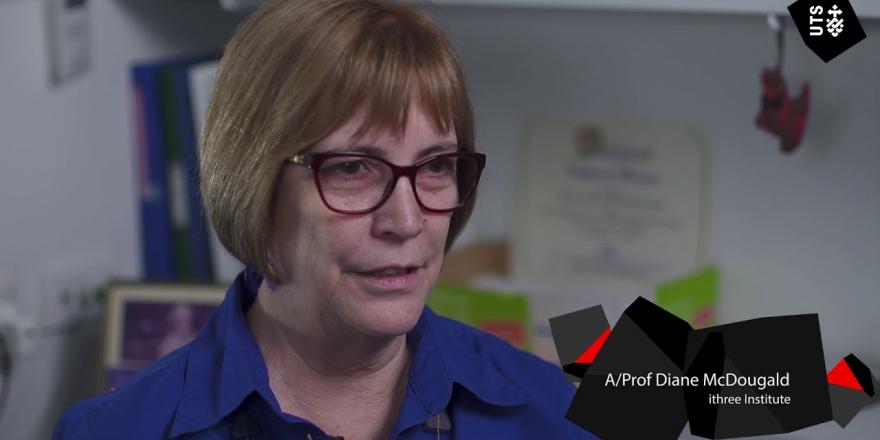
 Associate Professor Dianne McDougald and Dr Gustavo Espinoza Vergara were awarded the UNSW Eureka Prize for Scientific Research for their ground-breaking research into how cholera bacteria become virulent.

Their discovery that the bacteria responsible for cholera (Vibrio cholerae) becomes more virulent when passing through a previously unknown vector in water has provided new understanding of the disease transmission.
WQWHYFCzP9M

Descriptive transcript

Coral reefs are under threat from climate change and there has never been a more critical time to understand what solutions exist to aid their future survival.

Through my research, I've discovered corals living in unusual habitats that are warmer, more acidic and have lower oxygen seawater conditions than the normal reef.

By studying these corals, I'm furthering our understanding of what corals need to do to survive into the future and using this information to advocate for immediate climate action.

We are interested in how pathogens like Vibrio cholerae, Pseudomonas aeruginosa, and Legionella pneumophila evolve virulence. Traditionally, scientists have looked at the interaction of pathogens with the human host. Their interaction with humans is very recent, so we need to consider that in a holistic view rather than just a human-centric view.

For more UN videos visit www.un.org

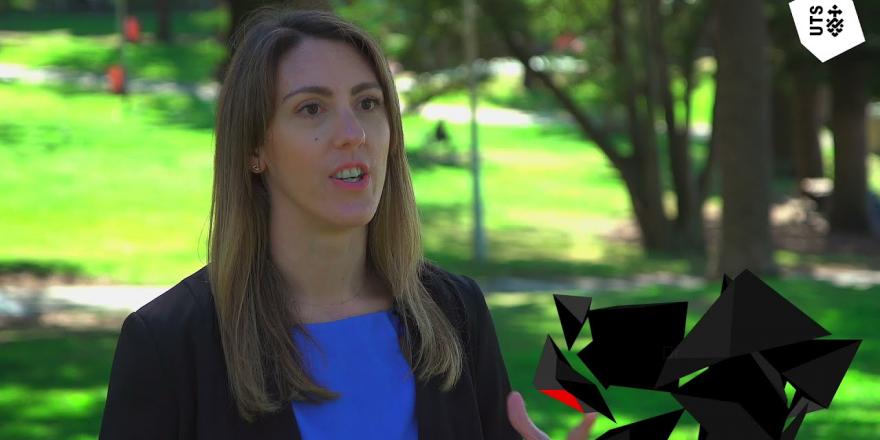
Dr Emma Camp took out the Macquarie University Eureka Prize for Outstanding Early Career Researcher for her exciting research in ways to make coral reefs more resilient.

Dr Camp is studying “super-corals” that thrive in the waters of mangrove lagoons that are warmer, more acidic and have lower oxygen levels than most other reefs.
JFK47A3OGm0

Descriptive transcript

Coral reefs are under threat from climate change, and there has never been a more critical time to understand what solutions exist to aid their future survival. Through my research, I've discovered corals living in unusual habitats that are warmer, more acidic, and have lower oxygen seawater conditions than the normal reef. By studying these corals, I'm furthering our understanding of what corals need to do to survive into the future, and using this information to advocate for immediate climate action.

Continue reading on UTS Newsroom:Double for UTS at Eureka science awards

Share