“If society could just see stuttering as a different way of speaking...”

October 22nd is International Stuttering Awareness Day. Professor Ann Packman explains the societal impacts on people who stutter as we raise awareness on this different way of speaking.

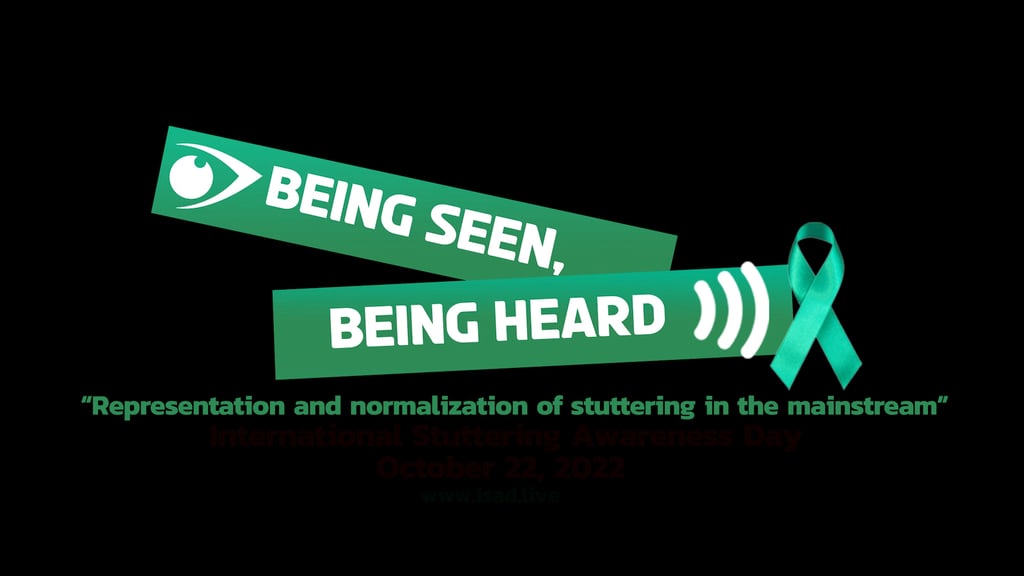
Being seen, being heard: "Representation and normalization of stuttering in the mainstream"

International Stuttering Awareness Day

(00:02:53)

International Stuttering Awareness Day transcript

It is International Stuttering Awareness day on the 22nd of October, and I’m here today to hopefully contribute in some small way to understanding about stuttering.

Stuttering is a physical condition which disrupts the flow of speech, sometimes severely. It is recognised as a disability here in Australia because it can interfere with an individual’s ability to achieve their educational and vocational potential.

But it would be so less disabling if society could just see stuttering as a different way of speaking rather than frequently responding to it in ways that can be demoralising and distressing.

To understand more about stuttering and what it is like to stutter, I can recommend a video on the website of the Australian Speakeasy Association, which is the support and advocacy group for people who stutter in Australia.

The website is speakeasy.org.au and in the video, titled ‘That’s easy for you to say’, 13 adults talk about their stuttering.

They say that people can react to your stuttering by avoiding eye contact, looking down or looking away, or sometimes interrupting and finishing what you’re trying to say. Or occasionally, “Have you forgotten your name?” when you stutter introducing yourself.

Movingly, one woman, Diane, says “people assume I’m anxious and shy, and start to talk to me as if I’m a very small child. I can understand why, trying to put you at ease, but it comes across as condescending.”

The speakers on the video understand that people can be embarrassed when someone stutters and don’t know how to respond.

From what the speakers say, however, maintaining normal eye contact and not interrupting and finishing what you’re trying to say sound like two good ideas.

Learn more about stuttering and how we can help on the website of the Australian Stuttering Research Centre.

Share