

- Posted on 4 Jun 2018
- 6-minute read
Six videos, a series of iconic Australian stories, and three UTS Visual Communication designers. This is how the work for ABC series Living with the Locals came about.
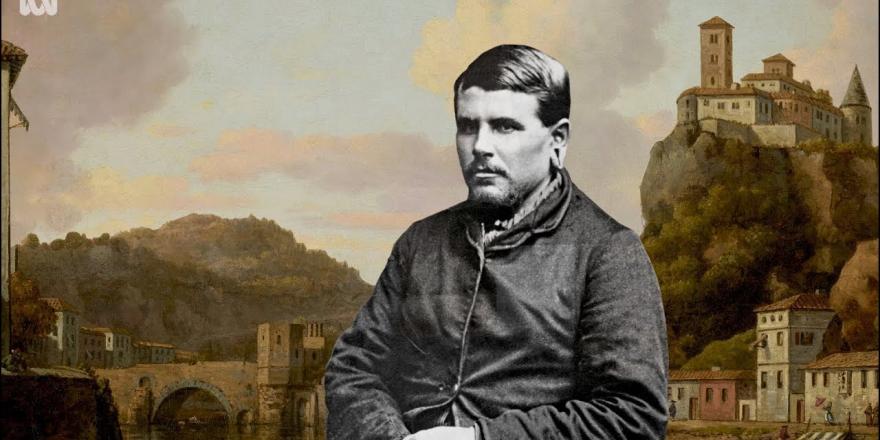
Based on a book by John Maynard and Victoria Haskins, these animated videos are the product of an industry collaboration between the UTS Faculty of Design, Architecture and Building and the ABC. They tell the first contact stories of European settlers who lived in Australian Aboriginal and Torres Strait Islander communities between the 1790s and 1870s.
The video series was commissioned for Speaking OutSpeaking Out, an ABC Radio show hosted by Larissa Behrendt. Producer Lorena Allam (now the Editor for Indigenous Affairs at The Guardian) commissioned UTS Visual Communication lecturer Gabriel Clark, tutor Finlay Downes and then-third-year student Elizabeth Smith to develop the work.
When I first commissioned the project, I was hoping to find someone who could do some simple digital animation, and it didnt take long to find out the quality of work being produced across the road at UTS
“When I first commissioned the project, I was hoping to find someone who could do some simple digital animation, and it didn’t take long to find out the quality of work being produced across the road at UTS,” Allam says.
The team was given a series of paintings and sketches from the Living with the Locals book, but otherwise had creative freedom in developing their initial design concept. For Smith, the six 60-second videos required for the project comprised the biggest piece of work she’d ever been involved with.
“We had to develop an entire visual brand and visual style for the videos,” she says.
“It was a process of going to the client, presenting them our very preliminary work, getting feedback on that and then going from there.”
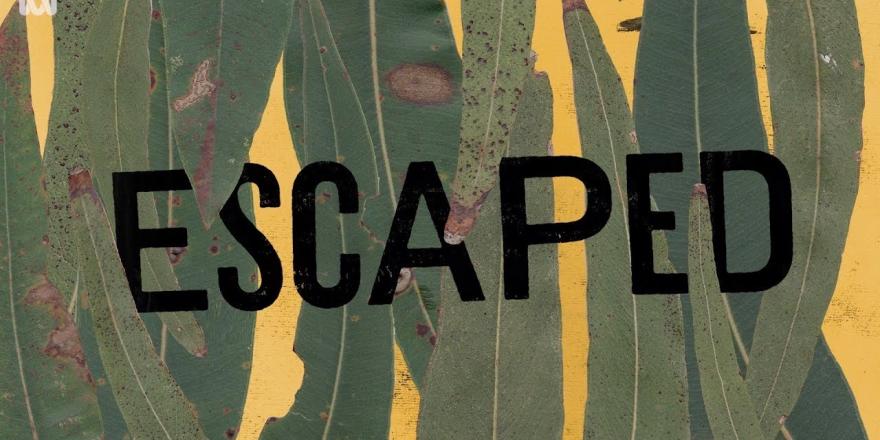
Led by Clark, the designers undertook extensive research into the era, gathering additional imagery from the State Library, adding leaves and other found materials from nature, and using charcoal to create a sense of texture. Key to the creative process was the need to recognise the Aboriginal cultures that shaped the Living with the Locals stories.
“They developed a subtle, clever visual language for the series that was culturally very appropriate,” Allam says.
“In many ways, their solutions are so clever and carry emotional depth – using gum leaves, shells, the night sky, shooting stars – all these lovely images.”
The videos were screened on the ABC website, shared on social media and picked up by ABC regional affiliates as well. The response was hugely positive: each video averaged between 3000-4000 views, Allam says – far higher than expected – and received hundreds of positive comments on social media.
Industry engagement is really a key part of this degree. Ive had the chance to work with real industry studios as part of my course, and to be mentored by studios that do really good work.
For Smith, while the outcome was the cherry on top – “the work speaks for itself – I think it was a beautiful set of videos that we ended up producing,” she says – it was the process of putting her skills to the test and gaining experience in a real industry setting that mattered most.
“Industry engagement is really a key part of this degree,” she says.
“I’ve had the chance to work with real industry studios as part of my course, and to be mentored by studios that do really good work. One connection I’ve built up I see leading to a job at the end of honours, which is amazing.
“Even the third-year grad show and the honours show really give you a great opportunity to put yourself out there amongst industry.”
Learn more about the UTS Bachelor of Design in Visual Communications or read more about the ABC's Living with the localsLiving with the locals series.
Byline: Claire Thompson