

• Posted on 8 Aug 2024
  • 6-minute read

Collaborative research partnerships as a journey of mutual learning and sharing.

Collaborative research is crucial for addressing complex global challenges.  

A recent evaluation project explored the outcomes of collaborative research between Australian and Lao researchers funded by the Australian Centre for International Agriculture (ACIAR). The evaluation itself used a collaborative approach that prioritised local knowledge. 

ACIAR commissioned the UTS Institute for Sustainable Futures (ISF) and Lao researchers to conduct an evaluation of how and why research collaborations in the Lao forestry, fisheries, and water resources sectors resulted in changes to national policies and local practices in Lao PDR. 

This evaluation was not just about assessing the technical aspects of the work, it was a deep dive into understanding how and why institutional collaborations, interdisciplinary research practices and interpersonal relationships contribute to social and environmental change. 

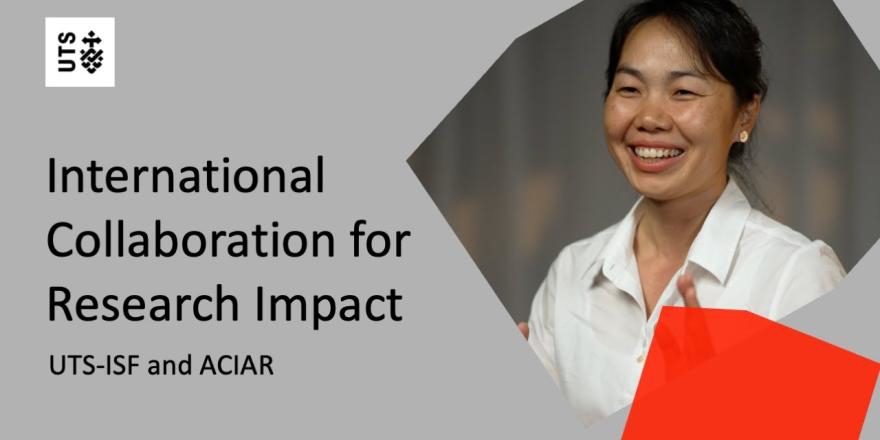
Dr Soytavanh Mienmany

Dr Soytavanh Mienmany

A journey of learning and sharing 

The evaluation emphasised equal investment and shared responsibility. 

Local collaborators contributed to designing the evaluation and had leadership roles in every step of the evaluation. This enabled the development of robust, contextually-grounded evidence and trusting relationships. 

Valuing the unique contributions of each researcher also ensures that everyone has the best opportunities for personal learning and growth. 

Dr Soytavanh Mienmany, a key partner in the project, highlighted this approach.
gtjyNqzadl8

Descriptive transcript

Dr Soytavanh Mienmany: In the past, I joined the evaluation of several projects and mainly I was the data collector. Before joining this evaluation, I didn't understand project design at all. I only knew the part that I contributed, that's it. But this time I was thinking that I don't want to be just a data collector. Is this okay? I want to learn how to analyse data and parts of the report, and communicate the research after the report is done.

Dr Somphasith Douangsavanh: In terms of a collaborative research process, I would say this went really well as we met regularly to plan things together. We made it super-clear by allocating a specific task for each team member, and made sure we hit the targets.

Bethany Davies: Both the Lao government and ACIAR were really interested in understanding what worked effectively in that relationship between science and policy. So they were really interested in understanding how to improve the way that they use science in the management of key sectors in their development planning. And ACIAR really wanted to know how we can most effectively work in partner systems to support them to do that. So in that way, there was really an equal investment in conducting the evaluation. To reflect that, we also wanted to make sure that the evaluation team was led both from Australia and from Lao. So I think the team did a really excellent job of building a collegial relationship with the team in Lao, and making sure that they felt empowered and enabled to engage as equal partners in the evaluation. That was possible because they were on board from the very beginning of the design stages.

Jessie Meaney-Davis: So it was really helpful in the beginning that Soy and Somphasith were really clear about what their expectations were of the evaluation, what they wanted to learn, and what they wanted to contribute. So we were really deliberate about the way we planned all of the processes, and really allowed enough space for everyone to say what they did want to contribute to, what they didn't feel so comfortable contributing to, and where they really wanted to take the lead on something, so that everyone had that open space to decide how they wanted to contribute. Knowing the framework is very important to understanding what is going to be in the report, and how to analyse that. And the main important part, this project allowed a local lead. It is very comfortable for me that it's a journey of learning and sharing. So I would feel like the leader in the team was not on the top all the time, knowing everything, but was open to discussion, valuing my contribution and my skill, my capacity.

Dr Keren Winterford: We work in a way which always prioritises inclusion and the unique contribution of national consultants. So we always work as equals, and we always involve our national consultants in all parts of evaluation or research activity. It's really about us co-producing the work together, and we're all one team. We seek to ensure that each individual has the best opportunities through an evaluation for their own professional and personal learning and growth. So that it's a positive experience, both for themselves but also for our clients or our partners who we're working with, and delivering really good learning outcomes, such that they can use that information and evidence to improve development programming in the future. This is one of my best experiences of working as a foreign team and Lao team, and sharing my knowledge about the Lao context, where some international development teams may not know about that. We learn a lot and we can improve from this evaluation. Thank you.

“In the past I joined several evaluation projects. Mainly I was a data collector before joining this evaluation … I was thinking I don’t want to be just a data collector … the main important part of this project is allowing the local lead … it’s a journey of learning and sharing … with this open discussion … they value my contribution and my skill, my capacity.”

The evaluation team produced reports and videos in both English and Lao languages, recognising different preferences for engaging with research processes and findings. 

This project exemplifies ISF's commitment to prioritising collaborative engagement, mutual capacity strengthening, and learning with and from partners and local contexts to leverage long-term system change.

more information

Learn more about the evaluation in this video in Lao

Read the full evaluation report

Assessing the research to policy interface in Lao PDR (ISF project page)

Share