


A proud Yugambeh man, Trent has become Australia's first Aboriginal accredited exercise physiologist and credentialled diabetes educator.
Trent will be the first to admit that high school wasn’t the right environment for him.
After completing high school, Trent took a different route into university. His love for sport led him to a Diploma of Fitness at TAFE, which eventually opened the door to a Bachelor of Exercise Physiology, all while working full time to help put food on the table.
He was the first in his family to go to university.
"My people are resilient, so we'll butt our head up against a wall until that wall falls down. And probably some of that helped me through that journey."
A new direction into diabetes education
After graduating, Trent started his career in allied health. It was a conversation with Diabetes Australia that nudged him in a new direction. Had he ever considered diabetes education?
Trent ended up speaking with the course director for the Graduate Certificate in Diabetes Education and Management at UTS, specifically about how Aboriginal and Torres Strait Islander students were supported through the degree. A scholarship sealed the deal.
"I was lucky enough to get a scholarship, so it was a real no-brainer to go to UTS."
The structure of the program suited him too.
"Online self-paced learning is definitely more my style than face to face in an actual room."
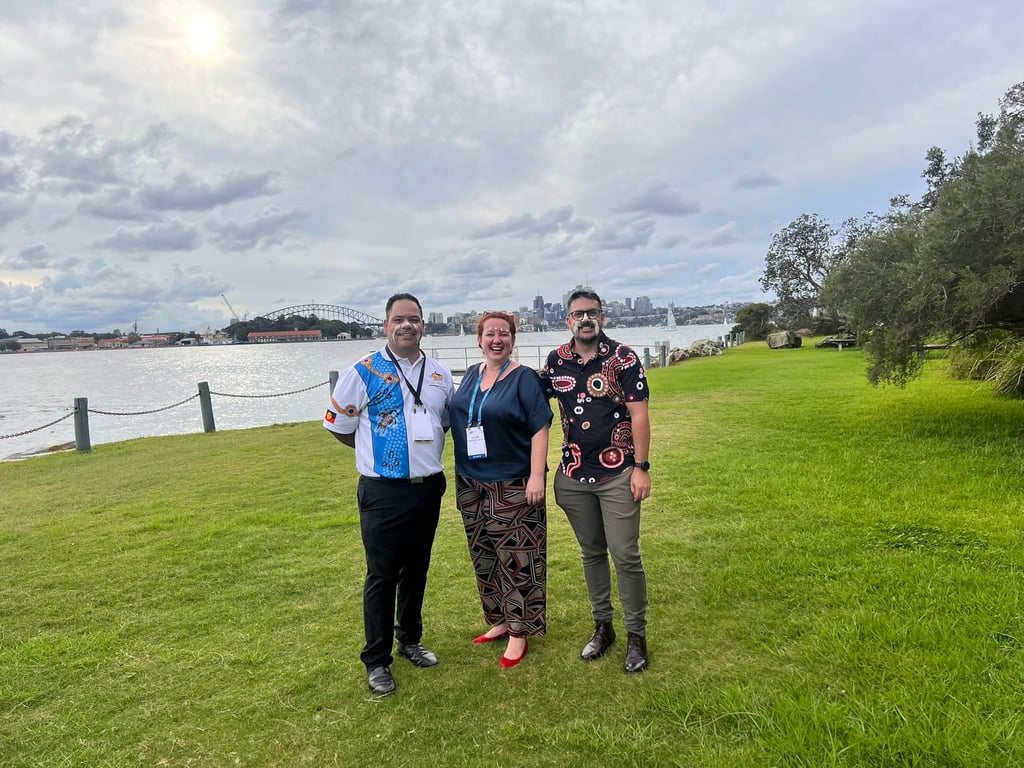
For Trent, the experience at UTS was shaped not just by the course content, but by the people around him. In particular, Trent was supported by Aunty Grace Ward, and he made connections with other Aboriginal and Torres Strait Islander students in the degree.
“A highlight for me was being around other mob going through the same experience, all at differing levels and times in our lives, but all with the same goal to complete the course.”
Putting it into practice
Trent completed the Graduate Certificate in Diabetes Education and Management and became Australia's first Aboriginal accredited exercise physiologist and credentialled diabetes educator.
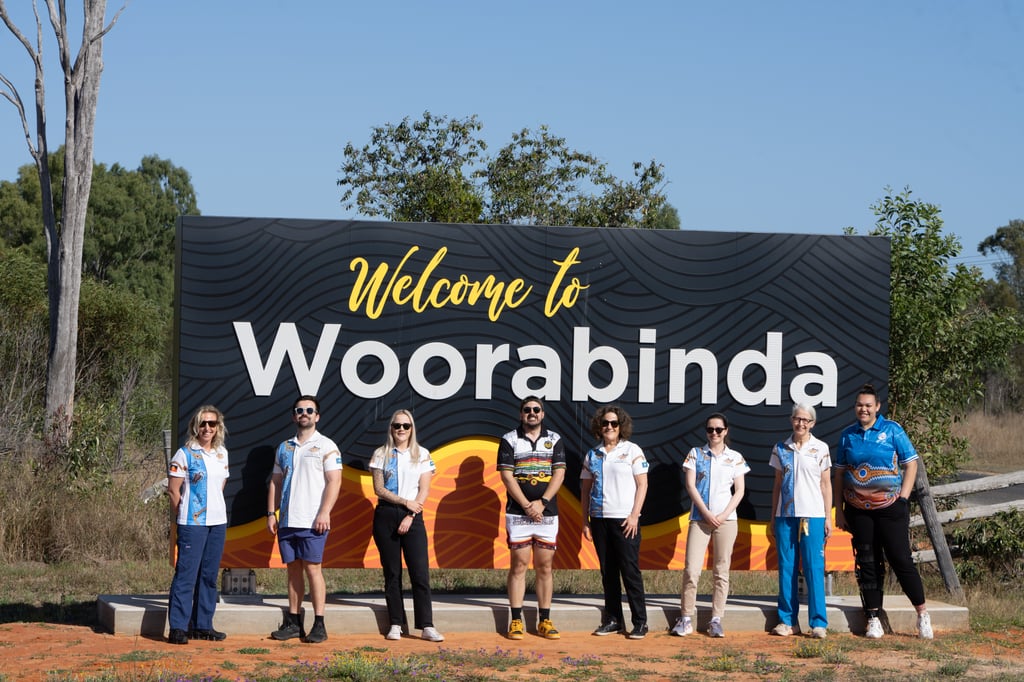
He now works with Queensland Health on a program called Deadly Ears, has delivered several guest lectures on culture, diabetes and communicating with Aboriginal and Torres Strait Islander communities, and sits on the steering committee for Exercise and Sports Science Australia (ESSA). He is also a digital artist, the piece featured on this article is his own.
When asked how he finds the time for all of it, he laughed. "I don't!"
“I think like anything in life, sometimes you just get lucky you're at the right place at the right time.”
It’s a modest answer for someone who, by any measure, has packed a great deal into a short amount of time. But the picture that emerges of Trent is of someone who has deliberately and persistently put in the hard work.
Driven by more than work
For Trent, this isn't just a career.
Diabetes has a history in his family, and he has seen its effects up close. Aboriginal Australians are three times more likely to have the condition than non-Indigenous Australians.
“Diabetes is a chronic disease is quite laboursome and very difficult for people to live with.”
By studying Diabetes Education, Trent was hoping to help his family. “I went in sort of hoping to learn a little bit more about, almost selfishly, to be able to help my family, but also to be able to try and give back more to the community.”
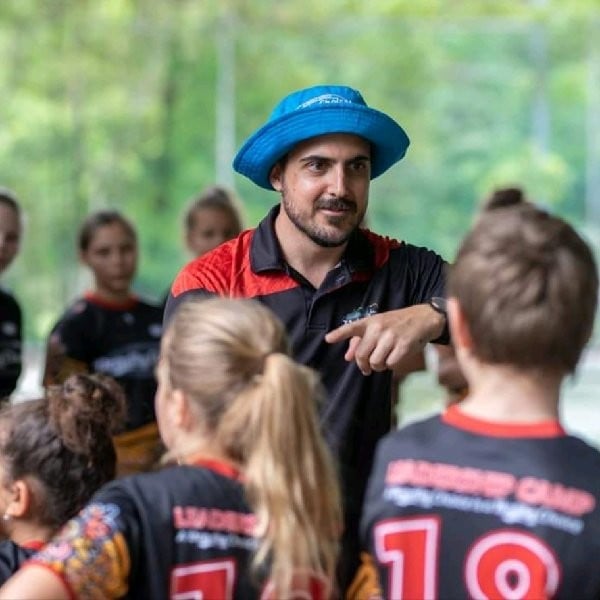
“I guess for me, everything that I've ever done is to give back to community.”
Trent Lyon
Graduate Certificate in Diabetes Education and Management
"If my story inspires one other Aboriginal and or Torres Strait Islander person to think about studying, or if it informs policy and strategy and procedures and storytelling of data, then anything I can do in that sense is really what my end goal is.”
For anyone considering following his path into the Graduate Certificate in Diabetes Education, his advice is warm and honest.
"Take it at your own pace. Listen and learn. It doesn't matter how long it takes you. It doesn't matter if you have the best marks or the worst marks in the class. Take your time. And if it gets hard, make sure you seek out support. You don't have to do it alone.”
Webpage
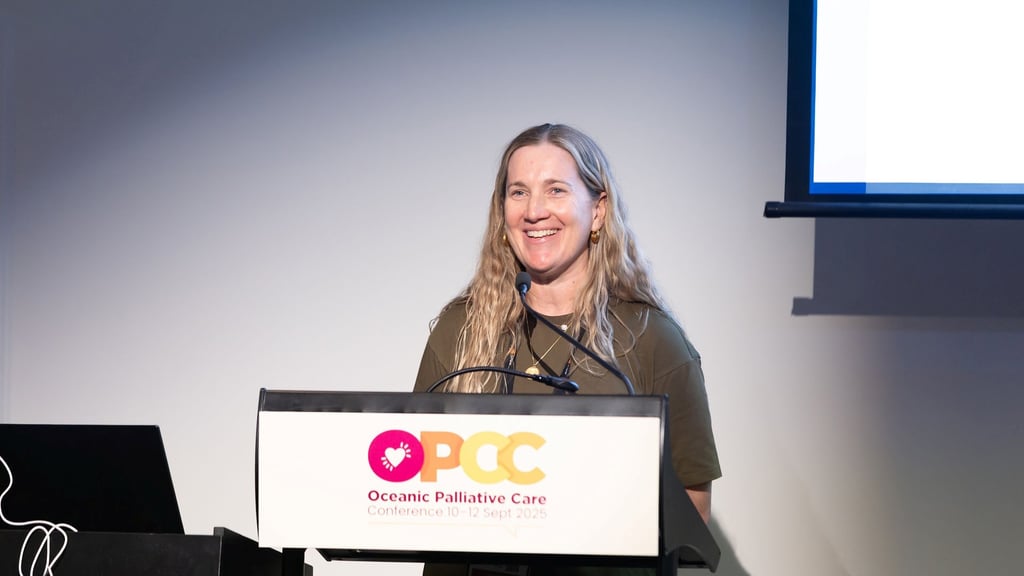
A different kind of care
After years in physiotherapy, Anna discovered that palliative care drew on every skill she had. The UTS Graduate Certificate in Palliative Care gave her the...
Webpage
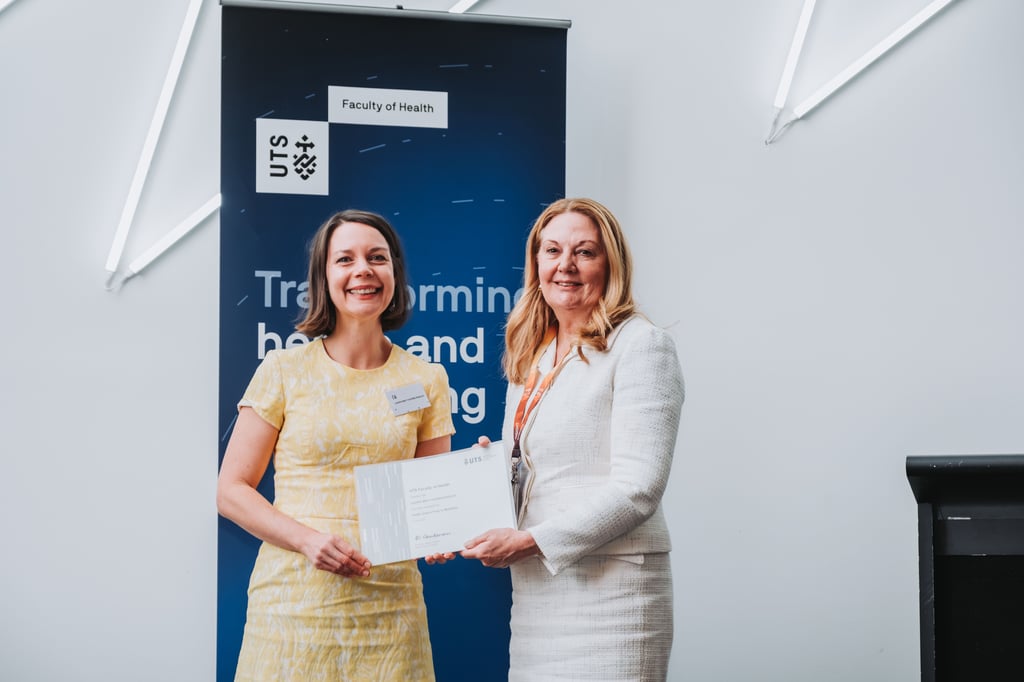
Changing careers to midwifery: Laura's journey to finding her calling
After a director-level career in PR, Laura chose the UTS Bachelor of Midwifery to follow her calling and balance study with family life.
Webpage
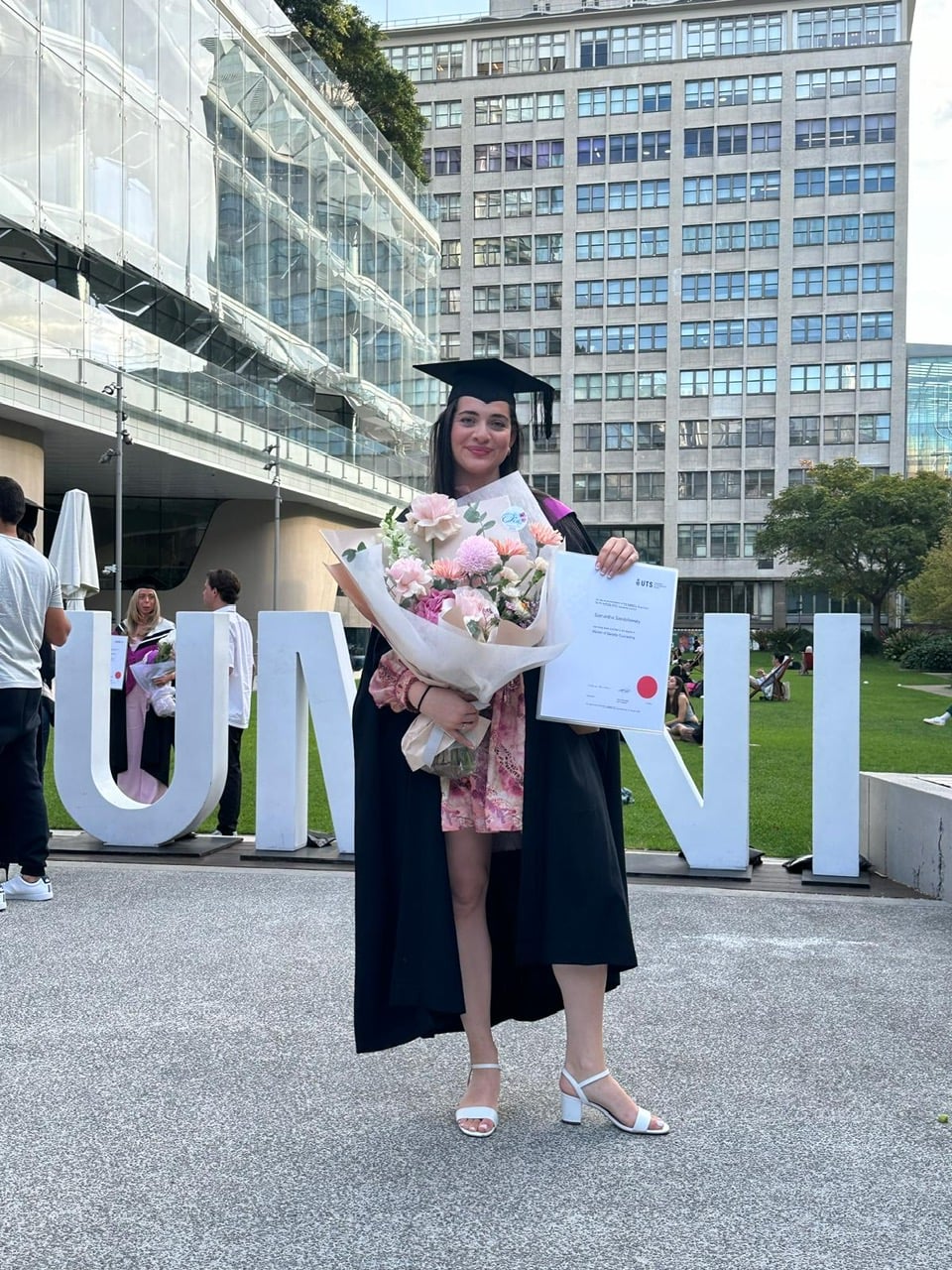
The Future of Genetic Counselling
Samantha studied a Master of Genetic Counselling at UTS and now works at the Kids Cancer Centre at Sydney Children's Hospital. This is how she got there.
Webpage
A different kind of care
After years in physiotherapy, Anna discovered that palliative care drew on every skill she had. The UTS Graduate Certificate in Palliative Care gave her the...
Webpage
Changing careers to midwifery: Laura's journey to finding her calling
After a director-level career in PR, Laura chose the UTS Bachelor of Midwifery to follow her calling and balance study with family life.
Webpage
The Future of Genetic Counselling
Samantha studied a Master of Genetic Counselling at UTS and now works at the Kids Cancer Centre at Sydney Children's Hospital. This is how she got there.