


Anna's path into Palliative Care was shaped by Allied Health, an unexpected job listing, and what she saw as a daughter.
If you asked Anna at 16 what she wanted to be, she would have told you: a vet. However, as is often the case, it did not quite work out that way.
After not receiving an offer into veterinary medicine, Anna chose physiotherapy instead, and fell in love with it.
She graduated in 2002, worked across different roles and different countries (with a stint in the UK), and eventually made her way back to Australia.
But after a while, she started to wonder what else was out there.
A family's experience
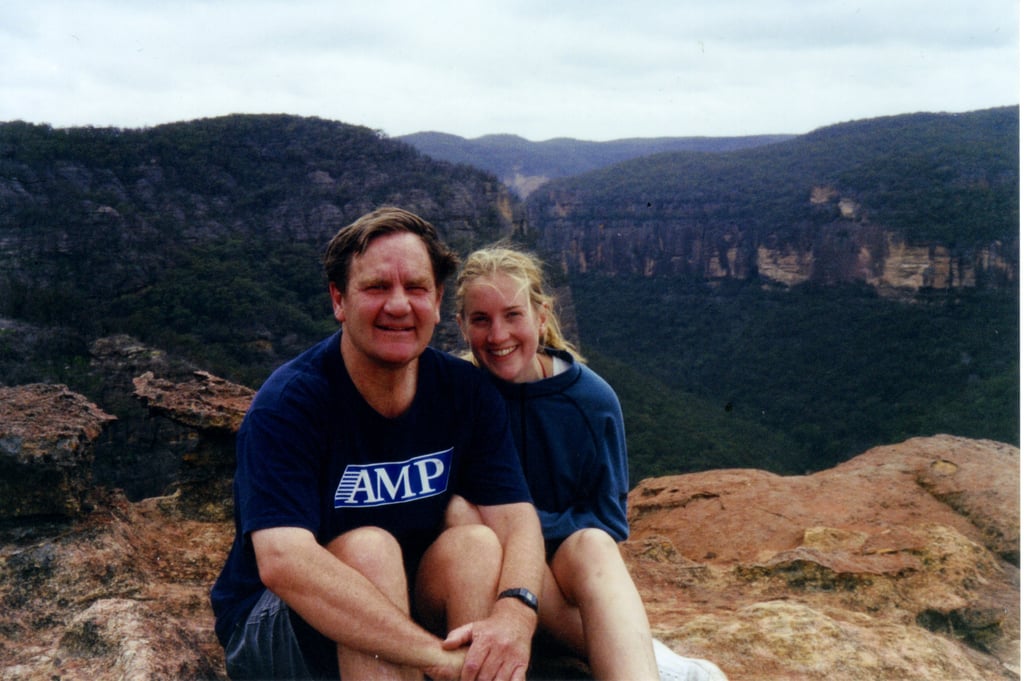
In 2007, Anna was a carer for her father, alongside her mother and sisters.
“It was an absolutely beautiful experience to have.”
But she also saw the limitations of the care available to her family, the gaps between what was needed and what was accessible.
“I felt that there were barriers to access all the different disciplines and the support that you could get.”
Years later, when moving to a new area, Anna looked at job listings and was surprised to find a different role advertised: Palliative Care Senior Physiotherapist.
“I looked at what it involved and realised it drew on all the skills I had in the areas I'd specialised in: a combination of neurology, aged care, respiratory and rehabilitation.”
Anna applied, got the role, and quickly fell in love with both the work and the team. She was covering a large caseload across the Illawarra, and she could see clearly where things could be better. She started looking into postgraduate study, but ran into a problem.
Most universities offering palliative care study assumed their applicants came from a nursing background. Anna did not.
“I looked at all the universities across Australia. UTS was the only one that had a lens that really incorporated all disciplines.”
That might surprise people, but then again, so does the idea of a physiotherapist in palliative care. Most of us picture physiotherapy as, if we're honest, a sports injury and a foam roller.
Anna laughed, “Yeah, sports physio? It’s not like that at all.”
In palliative care, a physiotherapist might spend their day helping a patient manage breathlessness, clear secretions, support with activities that promote quality of life and assist with the transition of their changing physical abilities.
“A patient has a symptom or a difficulty, and we all have a skill that can help support that. Physios have such a huge skill set in functional movement and respiratory issues — and that's where we can really put a lot of support in and help people."
A qualification that opened a door
In 2020, Anna started and completed the Graduate Certificate in Palliative Care.
At a time when many of us felt disconnected from each other because of the COVID-19 pandemic, Anna was able to spend her time with like-minded people online.
“I learnt so much. It was a brilliant opportunity to voice and hear what Allied Health does in this space and to work with people from so many different areas."
“[Because of the degree] I questioned more, I asked more, I saw more, I challenged more.”
When Anna’s health district undertook a significant redevelopment of its palliative care service, a new Allied Health Manager role was created. It required a postgraduate education in specialist palliative care.
“I was able to apply for the position and get the role, and have been in the role ever since. And that's made a huge, huge impact on the life of myself, my staff, our patients and the service. All positive."
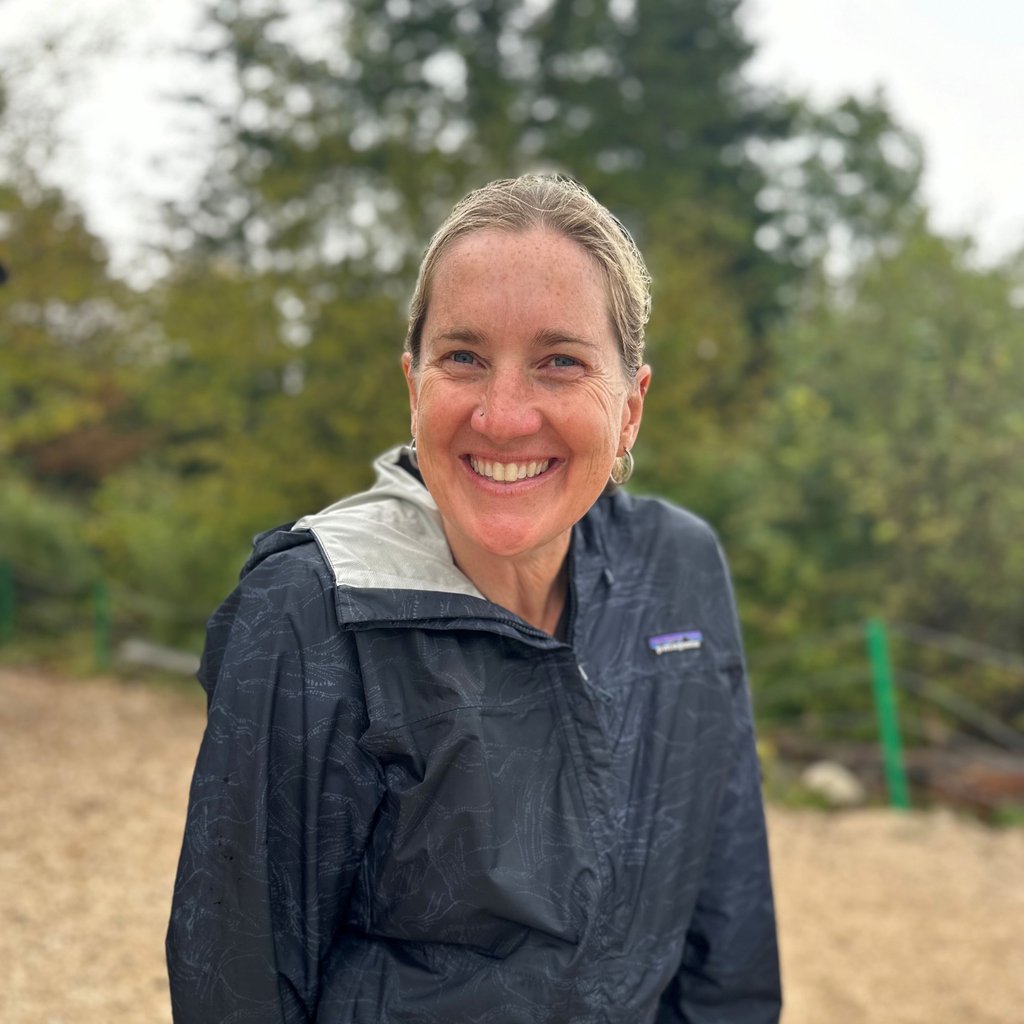
“We've grown our service. We've created more staff, more roles, more opportunities. It's grown and grown and we've been able to develop and really create a strong voice for allied health in the area. All because I was given the microphone from UTS.”
Anna Fulford
Graduate Certificate in Palliative Care
Her dad's advice
When Anna talks about what she would say to someone considering the Graduate Certificate, she reaches for something her father told her.
"It doesn't matter what the outcome is, it's the process that's the most important. It doesn't matter if you don't get as high a result as what you wanted, put the effort in because it's the experience of doing the work that you'll learn the most from. Not the certificate at the end. Not the degree."