


Studying at UTS means going beyond the textbook, gaining hands-on experience through real-world projects and industry placements.
Students studying a Bachelor of Construction Project Management are required to complete a minimum of 200 days’ industry experience during the course, heling them acquire valuable professional competencies and enhancing their employability.
For most students this entails paid employment in the industry with contractors and consultants (typically called cadetships). Studying with UTS means going beyond the textbook to build hands-on experience through applied projects and industry placements.
3rd year UTS Bachelor of Construction Project Management student, Kiana Carty is currently completing a Cadet & Graduate Program with Icon. Her cadetship with Icon has allowed her to put what she learns at university into practice. Having recently gone through the process herself, she shares her advice for students applying for their first construction cadetship.
How do you find a construction cadetship?
Kiana initially applied for a cadetship with Icon through a general expression of interest. Later, a representative from ICON visited UTS through the Campus Connect program and spoke to students about different pathways into construction and what a career in the industry can look like beyond the classroom.
“That encouraged me to reapply, in case there was another opportunity,” Kiana says.
Her lecturer also recommended the cadetship as a starting pathway and acted as a reference during the application process. After reapplying and completing the application and interview process, Kiana was offered a cadetship with Icon.
Her experience shows that there can be multiple ways to find opportunities, from direct applications and industry programs to connections made through university.
How does studying Construction Project Management prepare you for a cadetship?
“My studies at UTS have given me a strong foundation in the technical and practical side of construction,” she says.
“Learning from academics with industry experience has also been valuable, as they bring practical examples and different perspectives into the classroom.” she says.
For Kiana, this connection has continued into her day-to-day work at Icon.
A lot of the software and skills I picked up at UTS are things I use in my day-to-day work, so the course does a great job of bridging the gap between university and industry.
What are employers looking for in a construction cadet?
While university results and previous experience can be important, Kiana says they aren't the only things that can make someone a strong candidate.
“Construction is a very people-focused industry,” she says. Construction professionals work with different teams, consultants, subcontractors, suppliers and clients, making communication and teamwork important parts of the job.
“I found that my past work experience in sport, hospitality and retail helped me develop an ability to read people, communicate with different personalities and adapt the way I approach people,” she says.
These are skills she was able to draw on during the interview process and continues to use in her day-to-day work. Kiana believes strong interpersonal and communication skills, along with the ability to work well with others, are valuable qualities for anyone starting out in the industry.
What is it like to work in construction project management as a cadet?
Once you secure a cadetship, the experience can vary depending on the company, project and stage of construction.
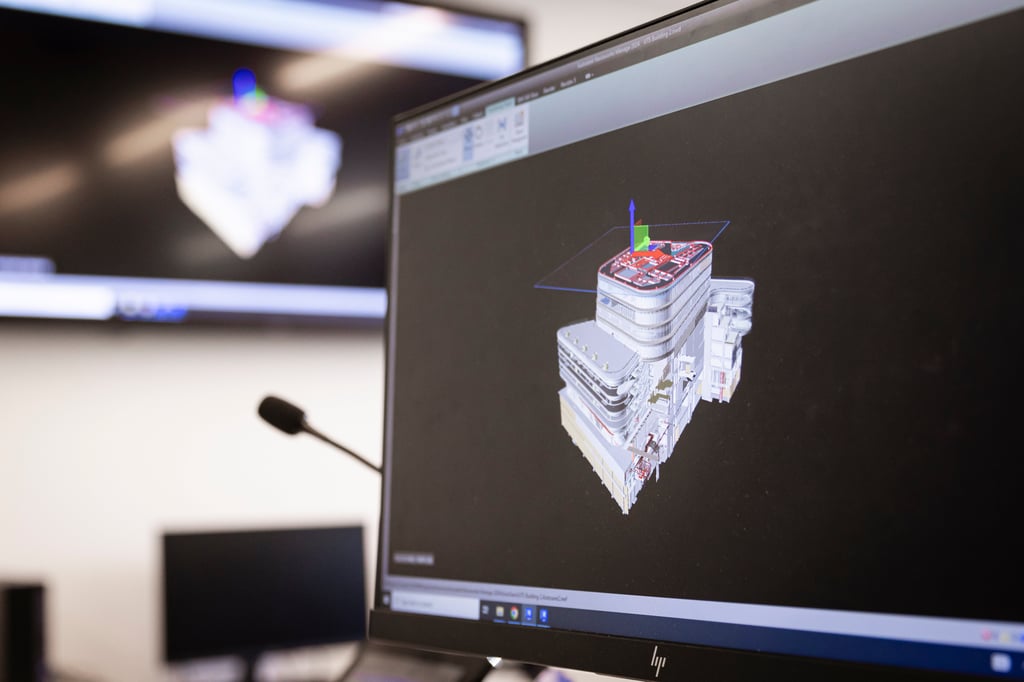
Kiana is currently working on the Bridge ECI project with Icon, where she supports project coordination across design, procurement and project delivery. Her work includes attending project meetings and design workshops, working with consultants and subcontractors, preparing tender packages, reviewing drawings, marking up documents in Bluebeam, organising samples and coordinating supplier pricing.
She also assists with value engineering opportunities and other activities involved in preparing the project for delivery.
Day-to-day her work changes depending on the project stage and her current rotation. A day can include project meetings, design workshops and coordination sessions, followed by tasks such as reviewing drawings, preparing tender documentation, coordinating samples or following up with suppliers.
The variety has given her exposure to the different people and processes involved in bringing a construction project together.
Kiana's advice for future Construction Project Management students
For students considering a Bachelor of Construction Project Management, Kiana recommends being proactive, exploring opportunities and making the most of the practical experience available throughout the degree.
Her own journey, from studying Product Design to finding her place in Construction Project Management and securing a cadetship with Icon, has shown her the value of taking initiative and being open to new opportunities.
“Be genuine, show initiative and don’t be afraid to apply,” she says.
For Kiana, studying Construction Project Management has been about more than learning the technical side of construction. Through her studies and cadetship, she has been able to build industry connections, apply what she learns in the classroom and gain a clearer understanding of the career she wants to pursue.
If you're interested in how buildings and infrastructure come together, the degree offers an opportunity to develop practical skills while exploring the different career pathways available across the construction industry explore a Bachelor of Construction Project Management at UTS.

Olivia Daffy found more than a degree in Criminology at UTS
Discover how Olivia Daffy is building the skills, confidence, and connections for a career in criminology through hands-on learning and student life at UTS.
Must-See Sessions to Add to Your Open Day Built Environment Agenda
Dream of leading mega-builds, shaping property markets, or cracking digital crime? The UTS School of Built Environment pairs real-world experience with...

What is it like studying Construction Project Management at UTS?
Interested in construction management? Discover how to get started, what you’ll learn and where a UTS Bachelor of Construction Management can take you.
5 skills you gain from studying Criminology (that employers actually want)
Discover 5 in-demand skills you gain from studying Criminology at UTS, from analytical thinking to communication, and how they translate into real-world...
Olivia Daffy found more than a degree in Criminology at UTS
Discover how Olivia Daffy is building the skills, confidence, and connections for a career in criminology through hands-on learning and student life at UTS.
Must-See Sessions to Add to Your Open Day Built Environment Agenda
Dream of leading mega-builds, shaping property markets, or cracking digital crime? The UTS School of Built Environment pairs real-world experience with...
What is it like studying Construction Project Management at UTS?
Interested in construction management? Discover how to get started, what you’ll learn and where a UTS Bachelor of Construction Management can take you.
5 skills you gain from studying Criminology (that employers actually want)
Discover 5 in-demand skills you gain from studying Criminology at UTS, from analytical thinking to communication, and how they translate into real-world...