


- Posted on 24 Nov 2023
- Updated on 24 Nov 2023
- 3-minute read
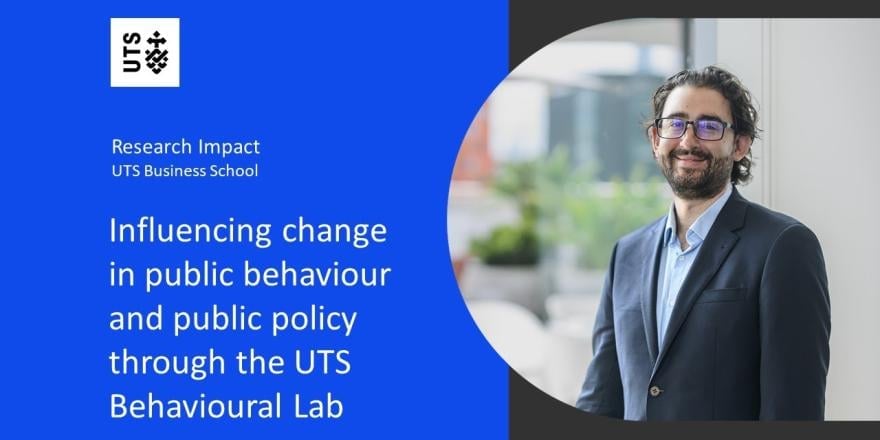
How do personal traits and external influences (nudges) impact our willingness to eat more plant-based meals – better for our health and better for the environment. This research explores that relationship, improving health and reducing carbon footprints.
The challenge
Encouraging consumers to eat more plant-based meals is better for their health and better for the environment. For meal-delivery kit providers, it is also more profitable. This research will test the efficacy of personalised nudges – strategically applied based on the consumer’s personal traits in light of known relations between different traits (e.g., decision-making style, personality, attitudes, etc.) and different nudges (e.g. defaults, social norms, translated information, etc.). The primary aim of this project is to build and test a theoretical model of nudge delivery personalisation to encourage better decisions around food consumption.
Solution
To achieve this goal, an estimated 1,000 participants will be recruited from Amazon’s Mechanical Turk (AMT) to interact with the study interface across five sequential phases and two samples. The first sample will be used to learn the relationship between different nudges and different individual traits. The second sample will be used to experimentally test the anticipated increased efficacy of nudges that have been targeted based on the relationships learned with the first sample versus nudges that have not been targeted in this way.
Outcome and impact
Findings from the study will help improve the efficacy of nudges, thus improving the decisions of nudge recipients. Given the target behaviour is to nudge consumers towards plant-based meals, the ultimate consequences of the personalised nudges developed in this project are improved health and reduced carbon footprints.

Collaborate with us
Follow the UTS Behavioural Lab on LinkedIn
United Nations Sustainable Development Goals (UN SDGs)
Ensure sustainable consumption and production patterns
Take urgent action to combat climate change and its impacts