


- Posted on 12 Feb 2024
- Updated on 12 Feb 2024
- 3-minute read
How deep does marginalisation towards refugees and asylum seekers run in Australia? This research explores the impact of the Refugee Camp in My Neighbourhood tour and its success in fostering empathy, understanding, and advocacy for refugee issues.
RESEARCH OUTPUTS
The challenge
Each year, millions of people are forced to leave their homes – chasing stability and safety in countries and cultures vastly different from their own. Adding to an already challenging settlement and integration journey, many asylum seekers and refugee communities in Australia are presented with additional barriers in the form of discrimination and marginalisation.
The Refugee Camp in My Neighbourhood (RCIMN) program aims to combat the attitudes and behaviours towards immigrants and refugees that can lead to social unrest (including tension within communities; marginalisation; and social divides). This research aims to assess how participation in the RCIMN tour fosters positive attitudes and behaviours towards refugees; combating discrimination and promoting social inclusion.
Solution
Through UTS BUILD, 30 UTS students were given the opportunity to complete the Refugee Camp in My Neighbourhood tour: in which participants experience the journey of a refugee and the challenges they face as they arrive in Australia. Collaborating with the RCIMN program coordinator, the research team co-designed the study to ensure it captured the social impact of the tour on participants. Assessing the potential attitude and behaviour change in RCIMN participants, the research team conducted before/after surveys; focus groups/interviews; and a follow-up survey (3 months post-tour).
Outcome and impact
The research team found that the RCIMN tour enhanced student participants' understanding of refugee issues and increased their levels of sympathy. It also decreased their perception of refugees as a threat, fostered greater appreciation for cultural diversity, and heightened their intentions to take tangible actions in support of refugees (such as volunteering and advocacy). Follow up surveys revealed that while students expressed a greater willingness to support refugees, they faced challenges in translating intentions into actions. To address this, practical strategies to foster deeper engagement from participants were provided to the RCIMN organisers.
The study’s findings underscore the importance of immersive, experiential learning opportunities like the RCIMN tour in fostering empathy, understanding, and advocacy for refugee issues. They also highlight the significance of ongoing support and guidance to translate participants’ intentions into meaningful actions.
Outputs
- Project Report - Maximising the impact of the Refugee Camp in My Neighbourhood Tour
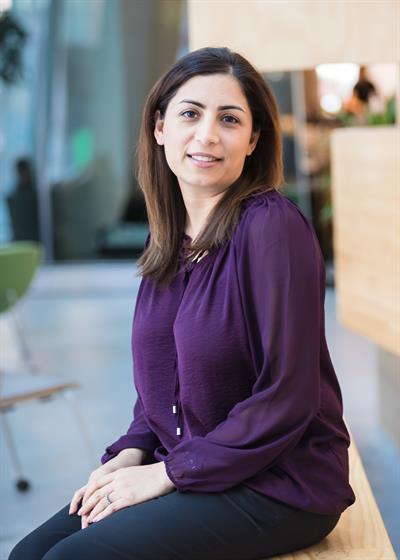

Dr Hongbo guo
Business School
- Adama Kamara, Program Coordinator, Refugee Camp in my Neighbourhood
- Verionica Wong, Program Manager, UTS Build
Collaborate with us
Follow UTS Business School on LinkedIn
United Nations Sustainable Development Goals (UN SDGs)
Reduce inequality within and among countries
Make cities and human settlements inclusive, safe, resilient and sustainable
Promote peaceful and inclusive societies for sustainable development, provide access to justice for all and build effective, accountable and inclusive institutions at all levels