


- Posted on 1 Jul 2024
- Updated on 1 Jul 2024
- 4-minute read
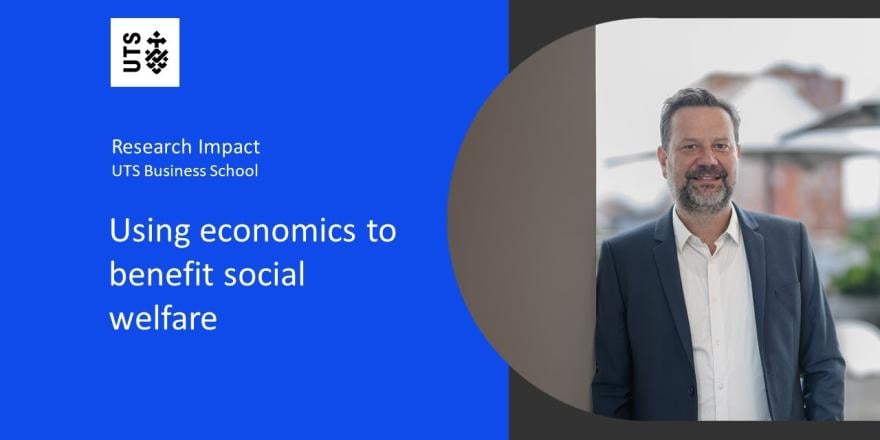
Seeking to assess the impact of a program on a set of outcomes, impact evaluations carry great weight in the improvement of policies and programs across government and industry. This project provides an overview of the spectrum of technical approaches that could be deployed to evaluate the impact of direct cash transfers that are used to improve the well-being of vulnerable populations in Australia.
RESEARCH OUTPUTS
The challenge
In Australia, children born under the poverty line are one of the most vulnerable groups in society – reliant on government support to improve their well-being and ensure they have access to a healthy upbringing. Within this legislative space, direct cash transfer programs have vast potential to improve the well-being of vulnerable populations: however; there is a current lack of confident knowledge on optimal approaches. This research explores the available methods of quantitatively evaluating the impact of social programs; in particular, those that involve direct giving and cash transfers to vulnerable families with young children. It considers the relative strengths and weaknesses of various options and offers suggestions about which option(s) to pursue in the Australian context at this time.
Solution
Supported by the Paul Ramsay Foundation, the research team aim to provide an overview of the evaluation methods that may be relevant to understand the impact of cash transfer programs. The research and associated report seek to explain the use of impact evaluations and how to prepare for them; outlining the strengths and weaknesses of different experimental and quasi-experimental methods, and identifying potential Australian data-sets. The paper includes a discussion of two existing Australian direct cash transfer schemes: Baby bonus and the Coronavirus Supplement. It considers whether these can be evaluated as ‘natural experiments’ with broader implications.
Outcome and impact
The findings of this project carry vast potential to generate direct outcomes for both policy and society. While the evaluated improvement of direct cash transfer programs will meet the immediate needs of disadvantaged families – the evaluation methods outlined in the report carry broad application across government and industry.
In relation to the evaluation of current direct cash transfer programs available to families with young children, the paper concludes that conducting a Randomised Controlled Trial is likely to be the best option to identify the best implementation choices. The attached report outlines these findings, as well as recommendations for further studies.
Outputs
- Project Report – Methods for evaluating impacts of direct giving and cash transfers



Client testimonial
"Evaluation of innovative programs is essential if we are ever going to make meaningful change. Like so many organisations working for purpose, PRF looks to evaluations and evidence to inform our work. We were pleased to partner with UTS Business School as they delivered rigorous research and evidence on the cash transfers programs."
"George Argyrous Head, Measurement, Evaluation & Learning, Paul Ramsay Foundation"
United Nations Sustainable Development Goals (UN SDGs)
Ensure healthy lives and promote well-being for all at all ages
Reduce inequality within and among countries