


- Posted on 19 Feb 2025
About Goal 14: Life below water
The oceans are under severe threat from over fishing, pollution (including plastic pollution), acidification, and warming. The full extent of these threats remain largely out of sight to humans because we are land based animals. The issue is a problem partly because more than 3 billion people worldwide rely on the oceans for part or all of their livelihood. Marine reserves have proven effective at helping to maintain ecosystems however, their scope and coverage remain insufficient.
At UTS our researchers are working with community and government partners in the Asia/Pacific to develop improved management approaches. Coral researchers are identifying species resilient to warming oceans, and students and staff participate in ocean and beach clean-up initiatives. Below are some examples of our contribution and impact.
Here are some examples of our work at UTS contributing towards SDG 14.

Coral reef restoration in the Philippines
This project aims to improve the institutional effectiveness of coral reef restoration in the Philippines, by understanding political-economic influences on governance at multiple scales and applying lessons learned through action research.
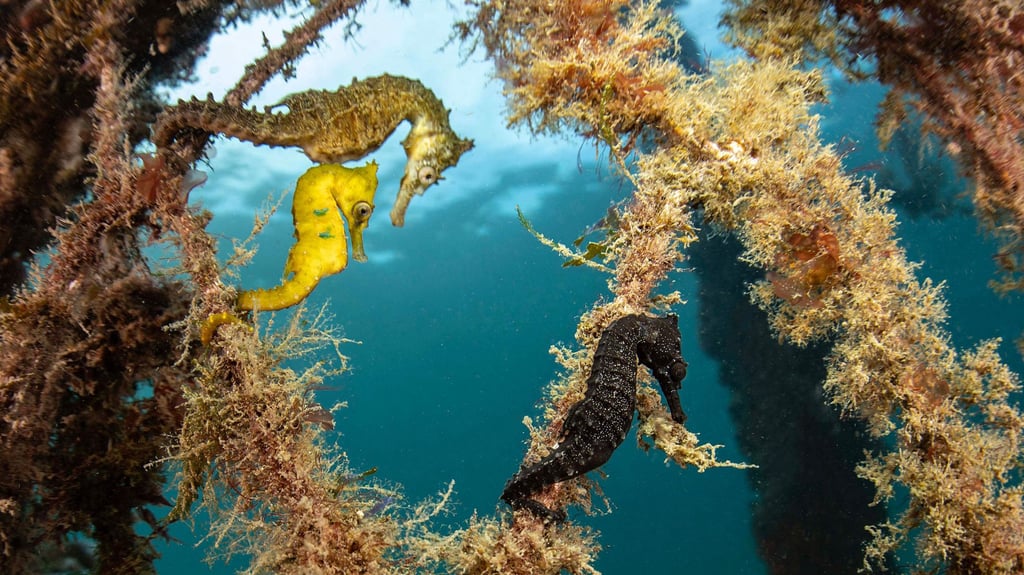
Super seahorses signal hope for survival of iconic species
Endangered seahorses released into Chowder Bay in landmark conservation effort.
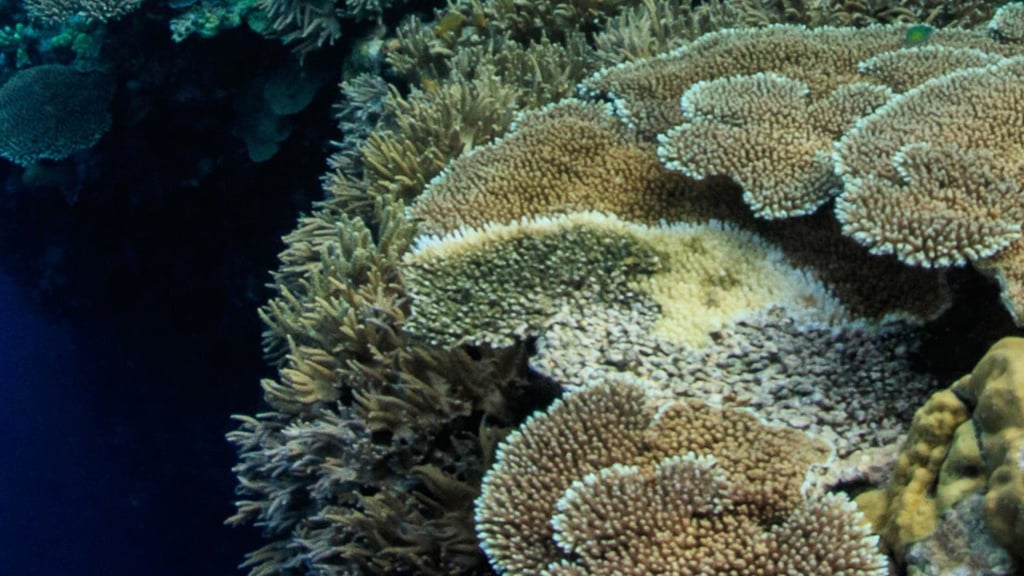
Reef conservation and management in the Pacific
Marine reserve placement is a critical factor determining their success, both for the ecosystem and the communities that rely on them.
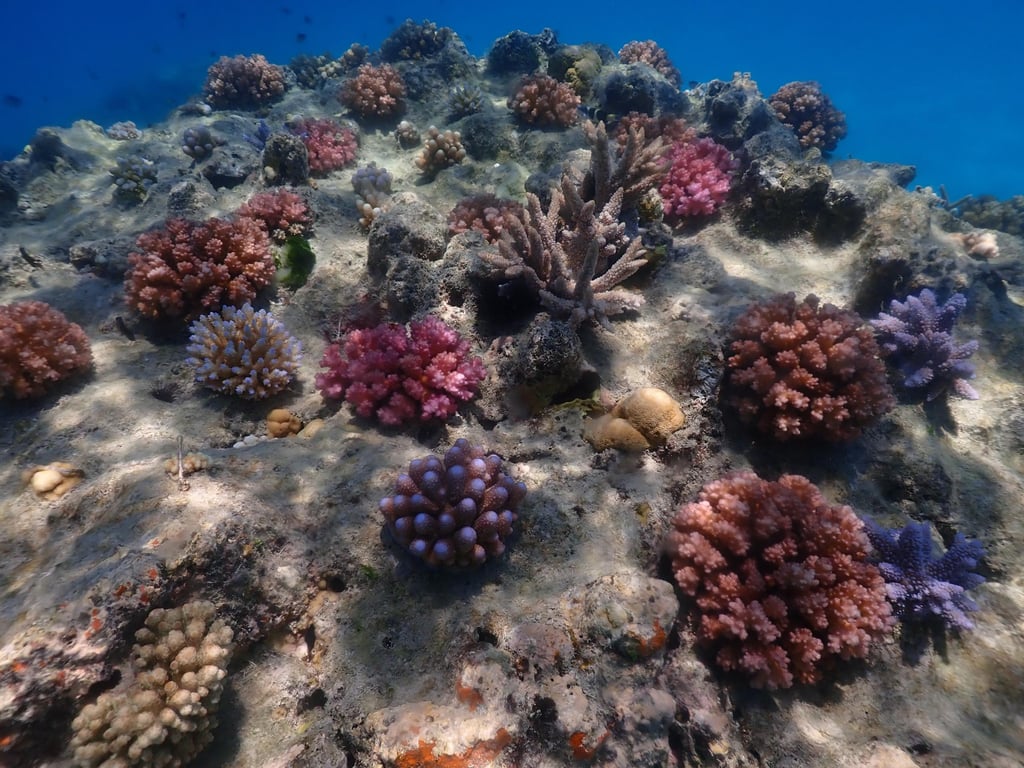
Coral Nurture Program
Researchers at UTS are partnering with the local reef tourism industry to replant coral at scale, to fast-track the recovery of the Great Barrier Reef.
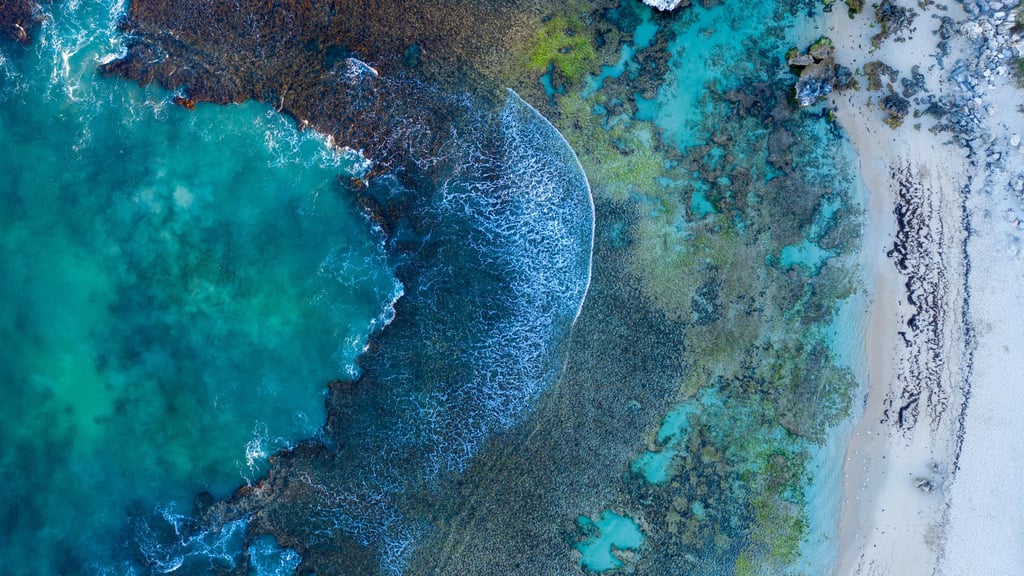
A Reef Reborn: enhancing coral larvae survival
Climate change is having a devastating impact on coral reefs around the world. If we are to help improve reef resilience, one key contribution is increasing the survival and growth of baby corals.
Our impact
Find out how UTS staff and students are contributing to the UN’s Sustainable Development Goals.
Trailblazers for the Goals
UTS has experts working towards the SDGs all over campus. The Trailblazers for the Goals are a campus-wide network of researchers and experts advancing the UN Sustainable Development Goals.
You can contact a trailblazer to discuss their work for the SDGs, or they can connect you with other experts in the space.
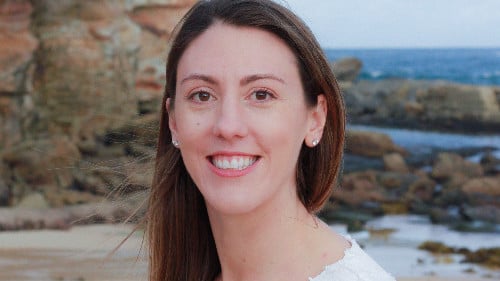
Associate Prof. Emma Camp
Climate Change Cluster
Emma is an award-winning marine biologist and expert on coral reef resilience and restoration. Emma is team leader of the Future Reefs Program in the Climate Change Cluster, where her work on coral reef systems and the environmental stress that they face has advanced our understanding and ability to impact SDG 14.
Learn more
Future reefs
The Future Reefs research team studies reef-forming corals, the organisms that sustain the entire productivity and biodiversity of coral reef ecosystems.
Fighting for the future of coral reefs
Why do some coral species thrive when others are degrading and dying? Groundbreaking research is revealing their secrets to survival and how these traits can...
SDGs at the halfway mark
Biodiversity directly and indirectly contributes to all 17 of the UN’s Sustainable Development Goals. Making meaningful progress towards achieving these goals in the next seven years will require embracing their interdependencies.