


- Posted on 20 Nov 2023
- 4-minute read
How are the profit-making motives of multi-site, corporatised aged care providers impacting the quality of care delivered to some of Australia’s most vulnerable?
This research delves into resident complaints and hospitalisations to uncover the detrimental impact of corporatisation on our aging community.
The challenge
In Australia, residential aged care is becoming increasingly concentrated, with a decline in the number of independent, mission-oriented homes and an expansion of homes operated by multi-site, corporatised providers. The concentration of residential places operated by large corporate entities has raised questions about residents’ quality of care. This project investigates the effects of corporate structure on quality of care by examining home acquisitions, focusing on home ownership changes between providers of differing operational scale.
Solution
The analysis is conducted using home and quality data for a large sample of Australian residential aged care homes from 2015 to 2019 sourced from the Royal Commission into Aged Care Quality and Safety. The available data contains the information needed to understand how changes in home ownership impact levels of quality care, measured by preventable hospitalisations of residents and resident complaints to the regulator while considering ownership structures (for-profit, etc.) and operational scale (number of facilities run).
Outcome and impact
The project contributes to limited evidence on the corporatisation of aged care in Australia by documenting how provider’s profit-making motives result in differences in quality outcomes delivered to care recipients. These findings hold significance across the fields of governance, corporate strategy, and policy within healthcare – with evidence to inform the practice agenda for Australia’s residential aged care sector.
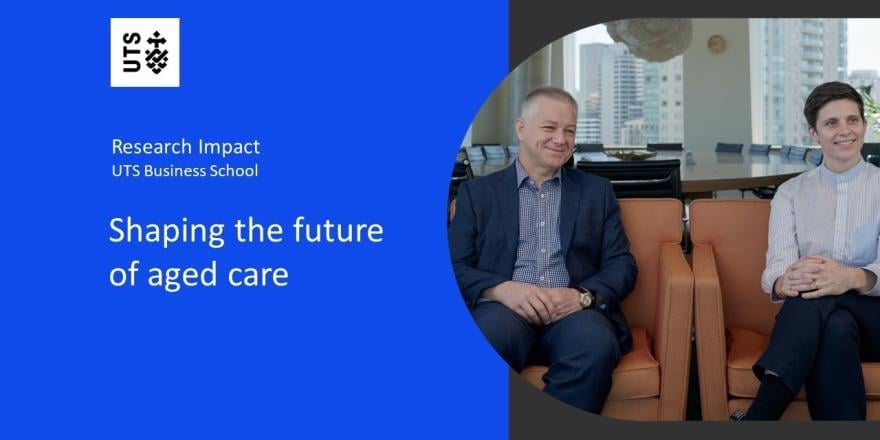
Journal articles
Sutton N, Ma N, Yang J.S and Lin, J. (2024). Quality effects of home acquisitions in residential aged care. Australasian Journal on Ageing http://doi.org/10.1111/ajag.13268
Research impacts
United Nations Sustainable Development Goals (UN SDGs)
Ensure healthy lives and promote well-being for all at all ages.
Research team
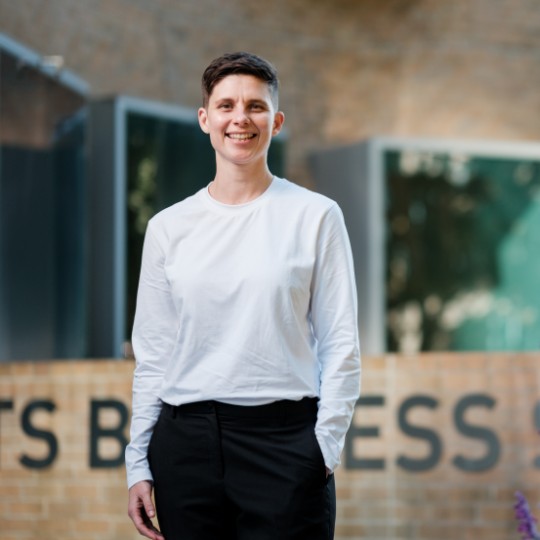
Associate Professor, Business School

Associate Professor, Business School
Collaborate with us
Find out about research collaboration with the UTS Ageing Research Collaborative (UARC). Get in touch with us at uarc_inquiries@uts.edu.au.

Reframing Ageing in Place: The Elder Persona Research
Through co-design workshops and community engagement, UTS researchers developed practical tools to help organisations better support older Australians to age...

The Hybrid Work Revolution: Balancing Flexibility and Productivity
As hybrid work becomes a permanent feature of modern workplaces, UTS researchers are investigating how organisations can create arrangements that are fair,...
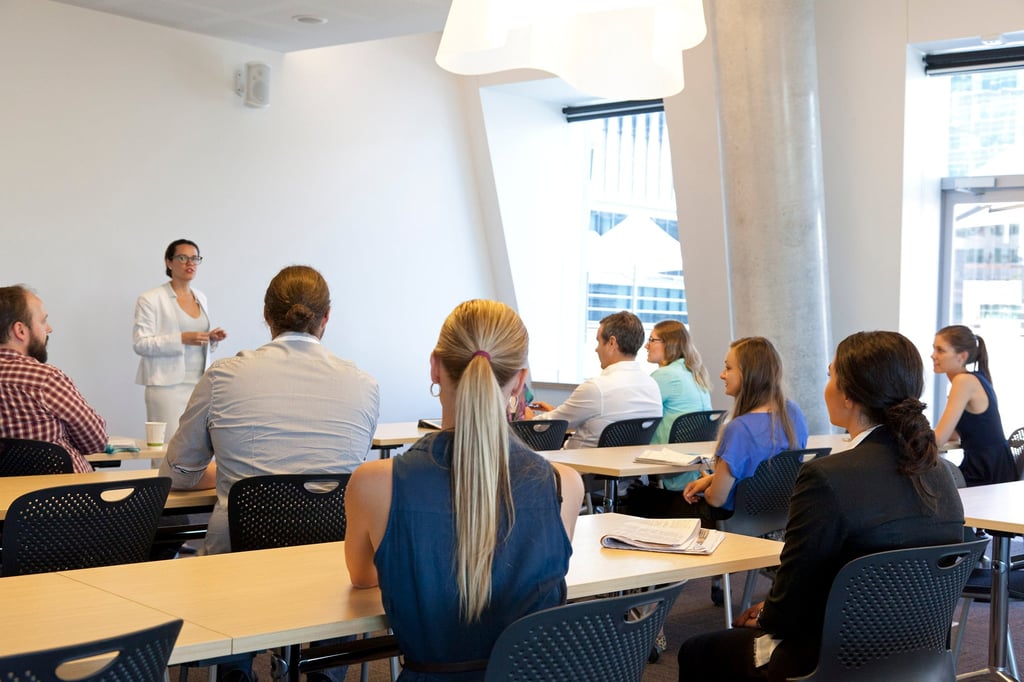
If business schools want socially responsible graduates, they must teach empathy differently
Learn how UTS researchers use lived experience and experiential learning to strengthen empathy, social responsibility and leadership capability.

Amplifying the impact of community organisations
Community-led organisations are strengthening and showcasing the achievements of their social impact-driven initiatives on a broader scale.
Reframing Ageing in Place: The Elder Persona Research
Through co-design workshops and community engagement, UTS researchers developed practical tools to help organisations better support older Australians to age...
The Hybrid Work Revolution: Balancing Flexibility and Productivity
As hybrid work becomes a permanent feature of modern workplaces, UTS researchers are investigating how organisations can create arrangements that are fair,...
If business schools want socially responsible graduates, they must teach empathy differently
Learn how UTS researchers use lived experience and experiential learning to strengthen empathy, social responsibility and leadership capability.
Amplifying the impact of community organisations
Community-led organisations are strengthening and showcasing the achievements of their social impact-driven initiatives on a broader scale.