


- Posted on 2 Oct 2026
- 5 min read
A partnership redefining high-performance.
Since 2017, the University of Technology Sydney (UTS) and the Oklahoma City Thunder, of the NBA, have worked together to better understand what drives performance, wellbeing, and innovation in elite sport.
The partnership, initiated by Associate Professor Blake McLean and Distinguished Professor Aaron Coutts, was built on a clear ambition: to connect academic research with the realities of professional basketball, ensuring that insight and practice continuously inform one another.
A partnership grounded in collaboration
At its core, the relationship is a model of co-creation. researchers, coaches, and practitioners work together to define problems, design studies, and apply findings in a live performance environment. This approach ensures that research questions are relevant and that outcomes can be implemented in real time.
The collaboration is driven by questions emerging from within the organisation, supported by broader research. The result is a continuous feedback loop, where practice shapes research and research directly influences decision-making.

From athlete performance to a performance system
The partnership’s research journey began with a focus on understanding the demands placed on athletes. Through her doctoral research, Dr Jenny Strickler developed new methods for quantifying player movement, intensity and workload across an NBA season, providing a foundation for more informed performance management and recovery strategies.
Building on this work, Dr Richard Mercer expanded the focus beyond athletes to the broader performance environment. His research examined the experiences of coaches, medical teams, performance specialists and operational staff, recognising that performance does not stop with the athletes on court.
The work highlights that the people who support performance are also operating under sustained pressure, with their own workload demands, stress responses and recovery needs. Using a combination of physiological data, workload tracking, biomarkers and interviews, the research identified both the challenges and enablers of sustained performance in elite sport.
Together, these studies provide a more complete understanding of the human performance system, connecting athlete outcomes with the people and processes that make those outcomes possible.
Building capability through embedded research
A defining feature of the partnership has been its embedded doctoral research model. Both Jenny Strickler and Richard Mercer completed their PhDs through UTS while working within the Thunder performance environment, creating a direct pathway between research and practice.
Rather than studying elite sport from a distance, projects are developed from within the organisation, addressing real-world challenges and generating insights that can be immediately applied. This approach ensures that research remains relevant, practical and closely aligned to organisational priorities.
The model continues to evolve, with new embedded projects helping build capability across both organisations while contributing to the broader evidence base for high-performance sport.
What makes this partnership valuable is that the research is embedded in our environment. It helps us ask better questions, learn from those questions, and build systems that continue to support our people beyond any single project.
Driving evidence-based practice
The collaboration spans multiple disciplines, including coaching, skill acquisition, data analytics and organisational performance. This interdisciplinary approach enables a more holistic understanding of performance and supports the development of practical, evidence-based solutions.
Research insights are translated into practice through tailored learning experiences, workshops and enterprise learning programs designed around organisational needs. Rather than relying on off-the-shelf content, these initiatives draw on real-world sport challenges, data and operational contexts, enabling practitioners to apply evidence directly within their own environments.
In this way, learning becomes an extension of the research process, helping organisations build capability, support continuous improvement and respond to the evolving demands of high-performance sport.
An evolving global impact
While the partnership continues to support the Thunder, its influence now reaches across the global sports community. The research has contributed to peer-reviewed publications, practitioner education, and applied practice.
More broadly, it has helped challenge athlete-only models of performance by showing how workload, recovery, wellbeing and organisational systems shape sustainable performance.
Human Performance Research Centre
Translating sport, exercise and health research into better human performance, athlete outcomes and population health.
Researchers

Head Of School, Human Performance, Rehabilitation & Pop Hlth, Faculty of Health

Associate Professor, Faculty of Health
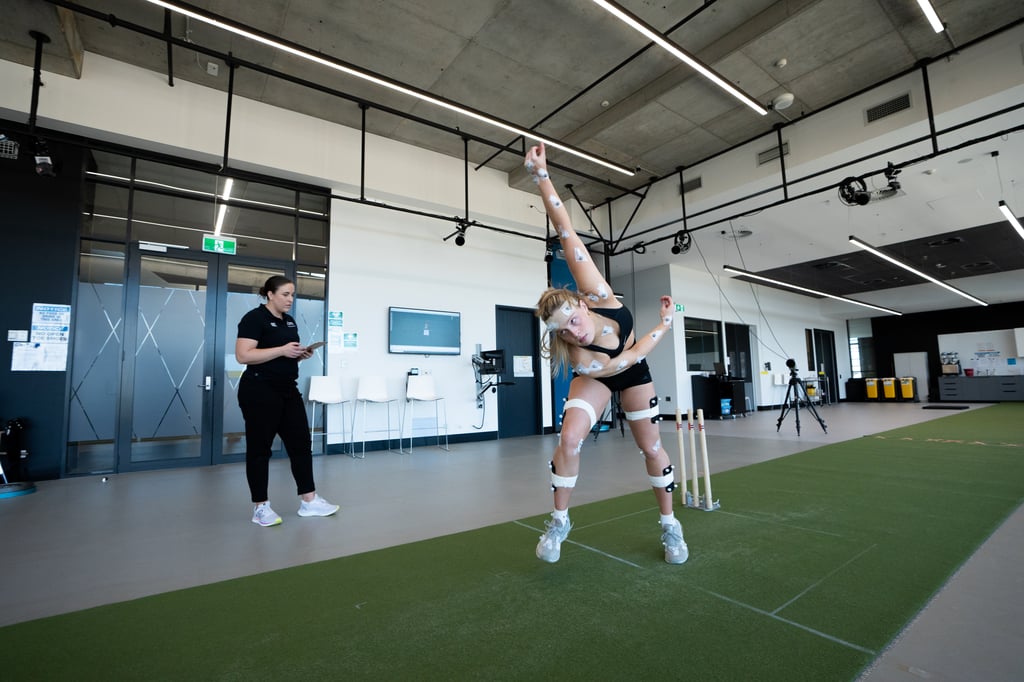
Industry partnership: Cricket NSW
Revolutionising cricket through applied research – starting with the 130kph barrier in female fast bowling.
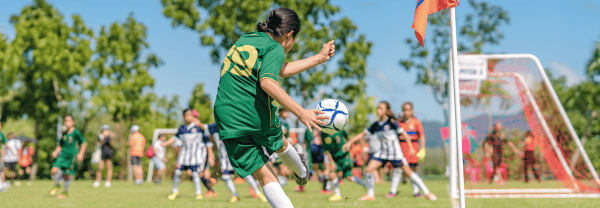
Understanding Trends in Youth Participation in Sport
Youth participation in sport is known to provide health, educational and social benefits, including improved self-confidence, physical fitness, better academic...
Growing Australia’s favourite sport with Cricket NSW
Committed to cultivating a strong, passionate, inclusive and multicultural cricket community, Cricket NSW turned to their long-standing relationship with UTS,...

Open space and recreation needs strategy
Shellharbour City Council engaged us to develop an Open Space and Recreational Needs Study and Strategy, aligned to the strategic priorities of Council and the...
Industry partnership: Cricket NSW
Revolutionising cricket through applied research – starting with the 130kph barrier in female fast bowling.
Understanding Trends in Youth Participation in Sport
Youth participation in sport is known to provide health, educational and social benefits, including improved self-confidence, physical fitness, better academic...
Growing Australia’s favourite sport with Cricket NSW
Committed to cultivating a strong, passionate, inclusive and multicultural cricket community, Cricket NSW turned to their long-standing relationship with UTS,...
Open space and recreation needs strategy
Shellharbour City Council engaged us to develop an Open Space and Recreational Needs Study and Strategy, aligned to the strategic priorities of Council and the...