• Posted on 31 Oct 2021
  • Updated on 31 Oct 2021
  • 5-minute read

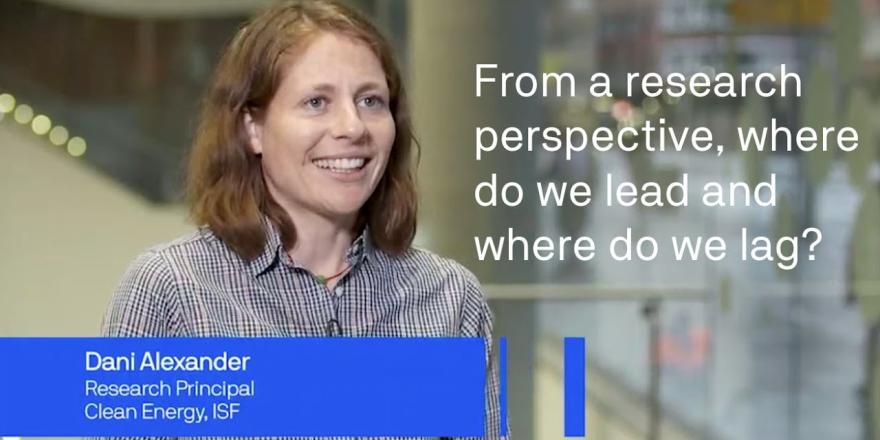
It’s always complicated when you talk about where we lead and where we lag because each energy system is different and each economy is different. However it is clear that we don’t have the overarching policy framework that some other countries do have to guide how they move towards a clean energy future so with that in mind, actually that can be a strength in where we lead is actually the ground groundswell movement that has, I guess, delivered us a distributed energy strength in Australia and where we actually

At one of our 2020 events, we asked four experts to each address an important climate-related question...

uocnQx3ZsLo

Transcript

It's always complicated when you talk about where we lead and where we lag, because each energy system is different and each economy is different. However, it is clear that we don't have the overarching policy framework that some other countries do have to guide how they move towards a clean energy future. With that in mind, that can be a strength, and where we lead is actually the groundswell movement that has delivered us a distributed energy strength in Australia. Where we actually lead the world is the amount of rooftop solar that we're installing on our roofs. We can learn from that, and we can provide those lessons to the world. From a researcher's perspective, that's extremely exciting. I believe that given our geography and the way our energy system is structured, we can actually show the world how a distributed energy future can be a really fantastic solution to this transition problem.

How is the finance sector responding to climate change and what does the next five years hold?

jEo21CzMi_o

Transcript

It's always complicated when you talk about where we lead and where we lag, because each energy system is different and each economy is different. However, it is clear that we don't have the overarching policy framework that some other countries do have to guide how they move towards a clean energy future. With that in mind, that can be a strength, and where we lead is actually the groundswell movement that has delivered us a distributed energy strength in Australia. Where we actually lead the world is the amount of rooftop solar that we're installing on our roofs. We can learn from that and we can provide those lessons to the world. From a researcher's perspective, that's extremely exciting. I believe that given our geography and the way our energy system is structured, we can actually show the world how a distributed energy future can be a really fantastic solution to this transition problem.

Can the agriculture, land use and food industries help solve the climate change situation?

Md_RX3Z4scA

Transcript

It's always complicated when you talk about where we lead and where we lag because each energy system is different and each economy is different. However, it is clear that we don't have the overarching policy framework that some other countries do have to guide how they move towards a clean energy future.

With that in mind, that can be a strength, and where we lead is actually the groundswell movement that has delivered us a distributed energy strength in Australia. Where we actually lead the world is the amount of rooftop solar that we're installing on our roofs. We can learn from that and we can provide those lessons to the world. From a researcher's perspective, that's extremely exciting.

I believe that given our geography and the way our energy system is structured, we can actually show the world how a distributed energy future can be a really fantastic solution to this transition problem.

I think we've had such a challenge looking at electricity and shifting our energy markets, and that's all happening now at pace, with the cost of renewables really driving the transition. Now we're becoming aware of the significant emissions that come from agriculture, forestry, and land-based uses.

The exciting thing there is, yes, it is a big challenge, but it also is a very significant potential solution if we could reward producers for cultivating natural capital, which happens to be good for productivity, resilience, well-being of animals, and soil quality. Imagine – it's a different revenue stream and it offers great hope for sequestering.

The other really exciting aspect of that is in mining. Australia has developed the METS sector – the technology services that go around mining. The economic multiplier is very, very significant for those services.

Ag tech is a nascent class of technology that will have similar multiplier effects coming under the ground now and facilitates this revolution in land management. From satellites to drones to robotics and sensors, there are all kinds of technologies that will help farmers to understand minimisation strategies for water, when and how to harvest, how to minimise inefficiency and waste – all of that can be technology driven, so opportunities everywhere.

Your book has a conclusion of hope – what gives you hope for the future? You say that Australia could lead in clean energy – what’s the main reason for that?


8aBB_I5AdlM

Transcript

When I did my work for all the states and the federal government 11 years ago, we could say we had to do something about climate change, but it was going to be costly for us. It's just that doing something about it was going to be less costly than suffering the damage from climate change. That's changed. It's now clear there's very large economic opportunity for Australia. My hope is that that will provide the bridge over which all Australians can walk to take effective action to build the zero emissions economy. If economic prosperity and the opportunity to grasp it can't bring us together, then it's hard to think what will.

Australia's got distinctively the best natural resources for renewable energy in the world. At the moment, the base of expansion of renewable energy around the world is solar and wind, and the combinations of excellent wind and excellent solar that we have has no parallel in the rest of the world. In the developed world, most countries have far inferior solar and inferior wind, and we've got them both in reasonable proximity to each other. Having them both means that you don't have to invest as much in firming. So unless we muck it up, we should be the low energy cost country in the zero emissions world, to which we're all headed. And we've got a base of minerals, of opportunities to grow biomass at low cost because of our immense land endowment per person that, when added with energy, can make us the natural home of a wide range of minerals and materials processing and manufacturers.

It’s always complicated when you talk about where we lead and where we lag because each energy system is different and each economy is different. However, it is clear that we don’t have the overarching policy framework that some other countries do have to guide how they move towards a clean energy future. So with that in mind, actually that can be a strength in where we lead is actually the groundswell movement that has delivered us a distributed energy strength in Australia and where we actually lead the world. There’s the amount of rooftop solar that we’re installing on our roofs and we can learn from that and we can provide those lessons to the world. So, from a researcher's perspective, that’s extremely exciting and I believe that given our geography and the way our energy system is structured, we can actually show the world how a distributed energy future can be a really fantastic solution to this transition problem.


Share