Australia-China Relations Institute (UTS:ACRI) contributors
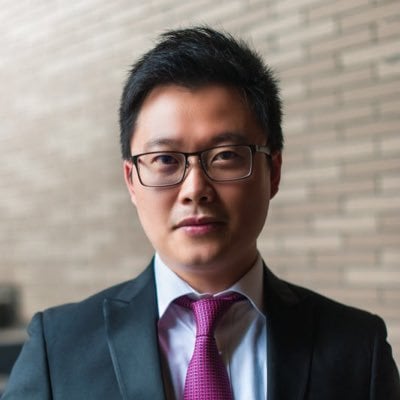
Professor Greg Austin
Professor Greg Austin is an Adjunct Professor at the Australia-China Relations Institute at the University of Technology Sydney (UTS:ACRI).
Professor Austin is recognised internationally as a leading researcher on China’s cyber policy, with two books and numerous articles on that subject since 2014, including work on Australia-China cyber relations. He has also published on China’s strategic policy more broadly beginning in 1997, most notably in Taiwan Strait security affairs, Japan-China relations, and China’s maritime frontier.
He has held senior roles in academia, think tanks, and NGOs in Europe and Australia. He has held academic appointments at the Australian National University, King’s College London, and most recently at UNSW Canberra as a Professor from 2016-2021. He also served for three and a half years as Programme Head for Cyber Power and Future Conflict at the International Institute for Strategic Studies (2019-2023). He is a member of the Advisory Board of the Global Foundation for Cyber Studies and Research and has served as a member of the Cyber Security Advisory Council of the New South Wales government.
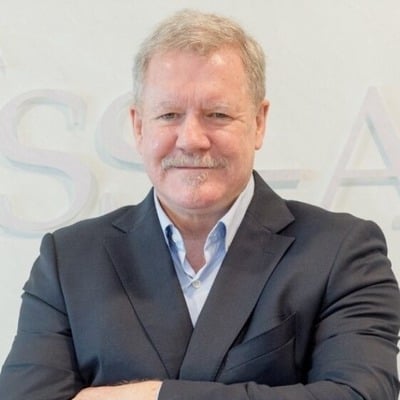
Professor Mark Beeson
Professor Mark Beeson is an Adjunct Professor at the Australia-China Relations Institute at the University of Technology Sydney (UTS:ACRI).
He was formerly Professor of International Politics at the University of Western Australia. Before joining UWA, he taught at Murdoch, Griffith, Queensland, York (UK) and Birmingham. His latest book is Environmental Anarchy? International Security in the 21st Century (Bristol University Press, 2021).
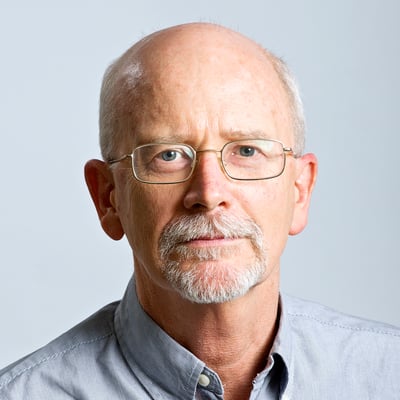
Professor Paul Burke
Professor Paul Burke is Deputy Director of the BIDA and Associate Professor in Marketing at the University of Technology Sydney.
He is a leading expert in the field of applied market research, particularly quantitative methods utilizing experimental design, choice modelling, and best-worst scaling.
Professor Burke designs primary research projects using experimental design techniques and innovative survey approaches, such as best-worst scaling, as well as standard methods integrating hybrid choice, structural equation modelling (for attitudinal models), cluster and discriminant analysis (for segmentation), and regression analysis (e.g., probit).
His work models consumer and human behaviour, including applications to product and service evaluation, social well-being and forecasting, with numerous projects involving mix-methods including those in health and well-being, education, employee, stakeholder and community preferences, and issues around rural and remote workforce participation.
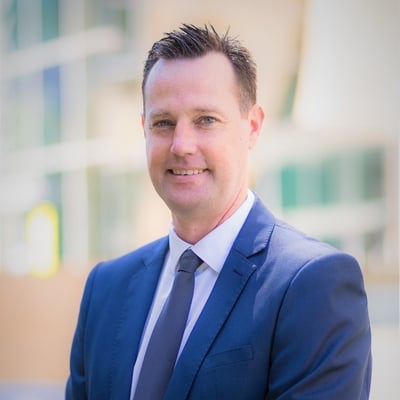
Rowan Callick
Mr Rowan Callick was a UTS:ACRI Advisory Board member.
An author and columnist, Rowan worked for almost 20 years for The Australian Financial Review, finally as Asia Pacific Editor. He was China Correspondent for the AFR, based in Hong Kong, from 1996-2000. From 1990-1992 he was a senior writer with Time magazine. He worked for The Australian from the start of 2006 until mid-2018, twice serving as China Correspondent in Beijing, and also as Asia-Pacific Editor. He continues to write regularly for the newspaper.
Rowan is a board member of the National Foundation for Australia-China Relations, and a member of the Advisory Boards of La Trobe University's Asia Institute and of its China Studies Department. He is a Fellow of the Australian Institute of International Affairs and an Industry Fellow at Griffith University’s Asia Institute.
He has written three books published in both English and Chinese, including Comrades & Capitalists: Hong Kong Since the Handover (UNSW Press, 1998); and Party Time: Who Runs China and How (Black Inc, 2013) in Australia, then internationally as The Party Forever (Palgrave Macmillan, 2013). He won the Graham Perkin Award for Journalist of the Year for 1995, and two Walkley Awards, for Asia-Pacific coverage, for 1997 and 2007. He was awarded an OBE in 2015 for services to journalism and to the training of PNG journalists.
Professor the Honourable Bob Carr
Professor the Honourable Bob Carr was Director of the Australia-China Relations Institute (ACRI) at the University of Technology Sydney (UTS) from 2014-2019, and is a Professor in International Relations.
Professor Carr is a former Foreign Minister of Australia (2012-2013). He is also the longest continuously serving Premier in New South Wales history (1995-2005). His administration pioneered private provision of public infrastructure, lifted public works spending to a record high, increased school literacy standards and declared 350 new national parks.
He received his Honours degree in History from the University of New South Wales. He is an Honorary Professor at Beijing Foreign Studies University. He is a recipient of the RSIS Distinguished Visiting Fellowship from Nanyang Technological University and the Fulbright Distinguished Fellow Award Scholarship for service to US-Australia relations. He has served as Honorary Scholar of the Australian American Leadership Dialogue.
He has been frequently interviewed by international media. His opinion pieces are published in the Australian Financial Review, The Australian, the Sydney Morning Herald and Nikkei Asian Review.
He is the author of Thoughtlines (Viking, 2002), What Australia Means to Me (Penguin, 2003), My Reading Life (Penguin, 2008), Diary of a Foreign Minister (NewSouth Publishing, 2014) and Run for Your Life (MUP, 2018).
Professor Carr’s research focuses on international relations, foreign policy, Chinese politics and economics, national defence and security.
Dr Edward Chan
Dr Edward Chan is an Adjunct Fellow at the Australia-China Relations Institute at the University of Technology Sydney (UTS:ACRI). He was the inaugural recipient of the China Matters–UTS:ACRI Fellowship in 2024–2025. He is a scholar, researcher, and policy analyst specialising in China’s maritime security. His Fellowship project, How worried should Canberra be about China’s security interests in the Pacific? Perspectives from PRC and Pacific interlocutors, aimed to strengthen understanding of how Australia can effectively navigate its various maritime interests in the context of China’s rising presence in the South Pacific region, while seeking opportunities for engagement between the two countries in non-conventional security issues.
He is a Postdoctoral Fellow at the Australian Centre on China in the World, the Australian National University (ANU). With expertise in international relations, Indo-Pacific security, China’s foreign policy, and maritime security, his current research focuses on China’s evolving influence in oceans governance. He is the author of China’s Maritime Security Strategy: The Evolution of a Growing Sea Power (Routledge, 2021) and the Associate Editor of The China Journal.
Lai-Ha Chan
Lai-Ha Chan is a Senior Lecturer in the Social and Political Sciences Program, Faculty of Design and Society, and a Research Associate at the Australia–China Relations Institute, University of Technology Sydney, Australia. She was a Fung Global Fellow (2016–2017) at the Princeton Institute for International and Regional Studies, Princeton University, New Jersey. Her research on China’s role in global and regional politics is widely recognised, resulting in two award-winning journal articles, two monographs, two edited volumes, 16 peer-reviewed journal articles and 15 book chapters.
Her recent publications include the co-edited volume China-US Great-Power Rivalry: The Competitive Dynamics of Order-Building in the Indo-Pacific (Routledge, 2024), a journal article shortlisted for the 2024 Boyer Prize: 'Quad 2.0 in flux, how possible? A study of India’s changing ‘significant other’', Australian Journal of International Affairs, 77 (5), 2023: 483–508; and another journal article: 'The Promise of AUKUS: Implications of its minilateral institutional form', Australian Journal of International Affairs, online publishing: 15 November 2024.
Her current research centers on global governance and minilateralism. She is currently working on how states, particularly China and the United States, and non-state actors shape the norms and rules governing deep-sea mining beyond national jurisdiction; and the ascendancy and effectiveness of minilateral groupings in the Indo-Pacific. More information about her research profiles can be seen below:
Dr James Tsun Se Cheong
Dr James Tsun Se Cheong is an Adjunct Associate Professor at the Australia-China Relations Institute at the University of Technology Sydney (UTS:ACRI).
Dr Cheong is also an Associate Professor at the Department of Economics and Finance, the Hang Seng University of Hong Kong.
Dr Cheong received his Ph.D. in Economics from the University of Western Australia, and he holds a Master of Applied Finance from Western Sydney University. He also has a Master’s degree in International Relations from Griffith University and a Bachelor’s degree (Honours) in Engineering from the Hong Kong Polytechnic University. He has conducted research in many different fields. The findings of his research studies have been published in many prestigious journals. He is the Co-Editor of the Journal of the Asia Pacific Economy, the Treasurer of the International Society for Energy Transition Studies (ISETS), and a member of the Executive Committee of the Chinese Economics Society Australia (CESA).
He is experienced in the study of economic problems using various econometric programs (Stata, EViews). He also has extensive knowledge in Computable General Equilibrium (CGE) analysis and applied economic modelling (GEMPACK ORANI-G, RunGDYN, RunGTAP, TERM, GTAP-E, GDyn, GTAP-RD). Moreover, he has comprehensive knowledge in state-of-the-art analytical techniques such as machine learning, artificial neural network analysis, and deep learning (MATLAB, TensorFlow, Keras, NumPy, Pandas, Matplotlib, Seaborn, Scikit-learn). He also knows Python and VBA. He has participated in many consultancy projects in Australia and worked as a consultant for PricewaterhouseCoopers (PwC) Australia in evaluating the impacts of various policies for the Australian Federal Government.
He has provided professional training on economics to various professional associations and corporations, and has participated in many consultancy projects and TV interviews in Hong Kong. As the Programme Director of the BBA (Economics) Programme, he has incorporated the training of CGE modelling into the BBA Programme, so that students can gain hands-on experience in using CGE software, thereby giving them an edge in employment.
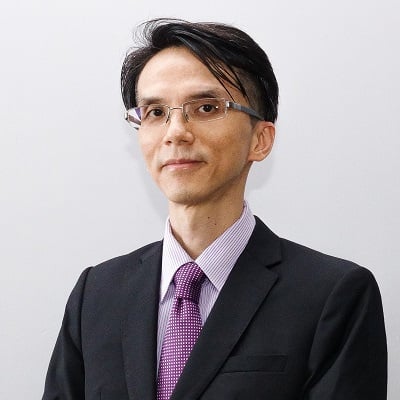
Professor Jocelyn Chey AM
Professor Jocelyn Chey AM is an Adjunct Professor at the Australia-China Relations Institute at the University of Technology Sydney (UTS:ACRI).
Professor Chey is also a Visiting Professor at the University of Sydney and an Adjunct Professor at the Australia-China Institute for Arts and Culture at Western Sydney University. She is a former senior diplomat specialising in Australia-China relations. Professor Chey moved from the University of Sydney to Canberra in 1973 when Australia first established diplomatic relations with China and worked in the Departments of Trade and Foreign Affairs for more than twenty years. She was posted three times in China and Hong Kong, concluding with an appointment as Consul-General in Hong Kong (1992-1995). She was the key administrative officer in the Australia-China Council at the time that it was founded in 1979.
Professor Chey is a frequent speaker and lecturer on Chinese affairs. She was awarded an Australia-China Council Medal for contributions to the development of relations between Australia and China in November 2008. She is a Fellow of the Institute of International Affairs and was awarded the Order of Australia (AM) in 2009 for her community service and contribution to the development of relations with China.
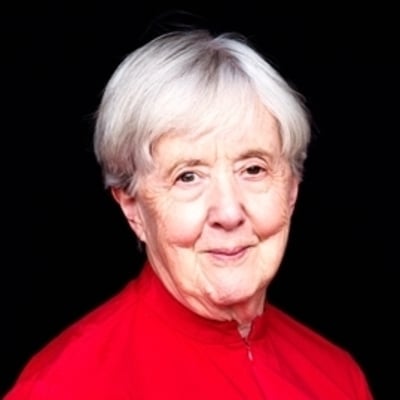
Andrew Chubb
Andrew Chubb is British Academy Postdoctoral Fellow at Lancaster University, researching China's foreign relations. He is the author of PRC Overseas Political Activities: Risk, Reaction and the Case of Australia, published in September 2021 by Routledge and the Royal United Services Institute.
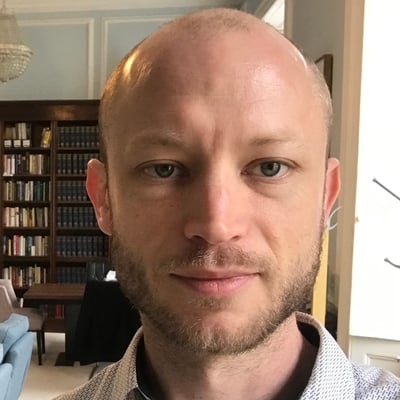
Dr Michael Clarke
Dr Michael Clarke is an Adjunct Professor at the Australia-China Relations Institute at the University of Technology Sydney (UTS:ACRI) and a Senior Lecturer at the Centre for Future Defence and National Security (CFDNS), Canberra, Deakin University. He was formerly Senior Fellow at the Centre for Defence Research at the Australian Defence College.
His major areas of research and publication include: the history and politics of the Xinjiang Uyghur Autonomous Region, People’s Republic of China (PRC); Chinese foreign and security policy; American grand strategy; and nuclear proliferation and non-proliferation.
He is the author of Xinjiang and China’s Rise in Central Asia – A History (Routledge 2011), (with Andrew O’Neil and Stephan Fruhling), Australian Nuclear Policy: Reconciling Strategic, Economic and Normative Interests (Routledge 2015), editor (with Anna Hayes) of Inside Xinjiang: Analysing Space, Place and Power in China’s Muslim North-West, (Routledge 2016); editor of Terrorism and Counterterrorism in China: Domestic and Foreign Policy Dimensions, (Oxford University Press 2018); editor (with Matthew Sussex and Nick Bisley) of The Belt and Road Initiative and the Future of Regional Order in the Indo-Pacific, (Lexington Books 2020); and author of US Grand Strategy and National Security: The Dilemmas of Primacy and Decline from the Founders to Trump (Palgrave 2021).
His commentary has also been published by Foreign Policy,The Wall Street Journal, CNN, The Diplomat, South China Morning Post, The Age and The Australian amongst others.
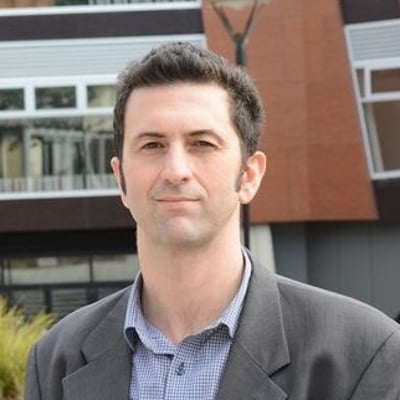
James Curran
James Curran is Professor of Modern History at Sydney University. A former Fulbright scholar, he previously worked at the Office of National Assessments, and in the Departments of Prime Minister and Cabinet and Defence.
Curran is the author of a number of scholarly books and articles on Australian foreign affairs and political culture, and is currently writing a new work on Australian foreign policy and the rise of China for NewSouth Press.
He has written research reports for the Lowy Institute, the US Studies Centre and China Matters, and his columns appear in the Australian Financial Review.

Murray Davis
Mr Murray Davis is an Adjunct Industry Fellow at the Australia-China Relations Institute, University of Technology Sydney (UTS:ACRI).
He is the Regional Manager – Greater China of Meat & Livestock Australia, based in Shanghai with an MLA team distributed across, Shanghai, Beijing, Hong Kong and Taiwan. Prior to joining MLA in late 2023, Mr Davis served in a range of trade and investment promotion roles in Greater China.
In October 2017, he was appointed as the Trade & Investment Commissioner for the state of New South Wales in Southern China, and represented NSW across Greater China until December 2023. Before joining the New South Wales Government, Mr Davis served as the Queensland Government Trade & Investment Commissioner to Taiwan, based in Taipei from 2014 to 2017. Mr Davis also served as an Australian diplomat, having joined the Australian Trade Commission in 1993 and served as Trade Commissioner in the Australian Consulate General in Guangzhou and in the Australian Embassy in Beijing.
Mr Davis graduated with a Social Science degree from the University of Queensland. He learned Chinese in Taiwan in 1986 – 1987 and also in Beijing in 1988 – 1989. Since his first days as a student until the present day, Mr Davis has been at the forefront of promoting trade and investment between Australia and greater China economies.
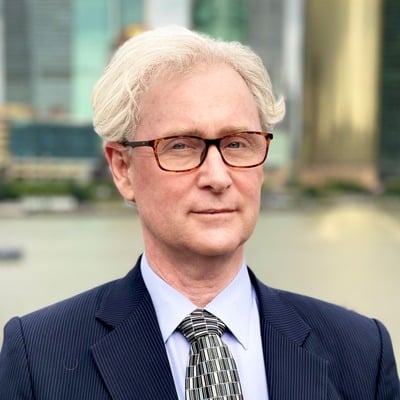
Dr Luke Deer
Dr Luke Deer is an independent researcher and a tutor in the Finance Discipline at the University of Sydney Business School.
He has previously held a post-doctoral appointment in the Department of Political Economy at the University of Sydney funded by an Institute for New Economic Thinking Grant into the recent evolution of financial innovation and central banking in China financial system. Luke has held visiting teaching positions at Fudan University in Shanghai and was a postdoctoral fieldwork researcher with the Association for Financial Research at Zhejiang University in Hangzhou, China. He has a PhD in Government and International Relations from the University of Sydney.
He was the research director for the first Asia-Pacific China Alternative Finance Benchmarking Report published in March 2016. This report was led by the Cambridge Centre for Alternative Finance, with the Tsinghua Graduate School at Shenzhen and the University of Sydney Business School and its Finance Discipline, in partnership with KPMG Australia and its regional offices and supported by ACCA (the Association of Chartered Certified Accountants).
Luke's academic research has been published in China and World Economy.
He is the co-host of The Fintech in China Show podcast.
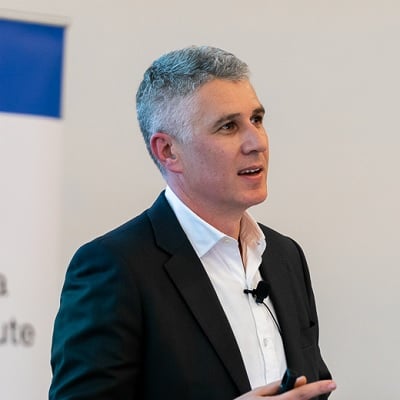
Clinton Dines
Mr Clinton Dines was a UTS:ACRI Advisory Board member.
He is the Non-Executive Director of the Port of Newcastle, Freedom Road Travel and Fonterra Cooperative Group Limited. He served as the President of BHP Billiton China from 2001 to 2009. He has extensive frontline operational and commercial management positions in China and was BHP Billiton’s senior country executive in China for 21 years. He also held senior positions at Jardine Matheson Group, Santa Fe Transport Group and Asia Securities Venture Capital.

Pei Duan
Pei Duan is a Visiting Fellow at the Australia-China Relations Institute, University of Technology Sydney.
She is an associate professor and master tutor at Shanxi University of Finance and Economics. She graduated from Northwest A&F University majoring in agricultural and forestry economic management.
Her research interests mainly focus on agricultural and forestry economic theory and policy, energy economy, ecological and environmental protection, poverty and aging issues. She has scientific research ability in both Chinese and English.
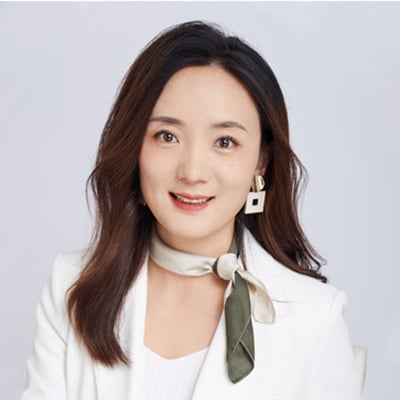
Dr John Edwards
Dr John Edwards is a Senior Fellow at the Lowy Institute and adjunct professor at the John Curtin Institute of Public Policy at Curtin University.
He has written six books, including the two-volume John Curtin’s War (Penguin, 2017; 2018) and Keating: The Inside Story(Viking Books, 1996).
He has been a member of the board of the Reserve Bank of Australia, Chief Economist for HSBC Bank in Australia and New Zealand, and was a senior economic adviser for Treasurer and then Prime Minister Paul Keating.

Louise Edwards
Louise Edwards is an Adjunct Professor at the Australia-China Relations Institute at the University of Technology Sydney (UTS:ACRI).
She is also Emeritus Professor of Chinese History at UNSW’s School of Humanities and Languages and Honorary Professor at the University of Hong Kong’s School of Modern Languages and Cultures. An elected Fellow of 3 learned academies—Academy of Humanities in Australia, the Australian Academy of Social Sciences and the Hong Kong Academy of Humanities—Professor Edwards served as President of the Asian Studies Association of Australia (2016-2017) and is Editor in Chief of the Association’s ‘Women in Asia’ book series.
Professor Edwards publishes on women and gender in China from a cultural and historical perspective. Her most recent sole-authored books include Citizens of Beauty: Drawing Democratic Dreams in Republican China (Seattle: Washington University Press, 2020), Women, Politics and Democracy: Women’s Suffrage in China (Stanford University Press, 2008) and Women Warriors and Wartime Spies of China (Cambridge University Press, 2016).

Dr Michael Fabinyi
Dr Michael Fabinyi is a Senior Lecturer at the University of Technology Sydney (UTS), and holds a PhD in Anthropology and Environment from the Australian National University (2009).
Before moving to UTS in 2016 he was based for seven years at the Australian Research Council Centre of Excellence for Coral Reef Studies at James Cook University. His research expertise includes the social aspects of marine resource use and trade, the role of China in global fisheries, and coastal livelihoods in Southeast Asia.
He has written one book and more than thirty peer-reviewed articles, has led two Australian Research Council Discovery projects, and from 2012-2017 was the holder of a Branco Weiss – Society in Science Fellowship.
He has held visiting appointments at Peking University (2012-13), WorldFish (2015), and is an Adjunct Associate Professor at Palawan State University, Philippines.

Professor Jane Golley
Professor Jane Golley was a UTS:ACRI Advisory Board member.
She is a Professor and economist at the Crawford School of Public Policy at the Australian National University.
Professor Golley is an ANU graduate (BEc, Hons, 1993) whose life-long interest in China began with a brief stint in the Asia Section of the Australian Commonwealth Treasury in 1993, before she left for the University of Oxford in 1994, where she completed her Mphil and Dphil and taught undergraduate economics through to 2002. She returned to the School of Economics at the ANU in 2003, taking up a position at the Crawford School in 2008 and then moving to the Australian Centre on China in the World (2011-2021), before joining the Crawford School in 2022.
Professor Golley’s research has covered a wide range of topics centred around the Chinese economy, often intersecting with other disciplines. Her early work on regional development focused on the uneven patterns of economic geography in China’s industrial development, spurring ongoing research into other sources of inequality, including rural-urban and gender inequalities in education and income. Another long-term research agenda has explored the economic impacts of demographic change in China, including the global impacts of the one- and two-child policies and rising gender imbalances. Other research projects have examined the interplay between the economy and the environment, such as the relationship between income inequality and carbon dioxide emissions associated with China’s pursuit of ‘green growth’. Her latest inter-disciplinary endeavours have taken her towards politics and international relations, with topics ranging from China’s growing geoeconomics capabilities and ‘geoeducation’ strategies, to the impact of its bilateral political relations on its patterns of trade.
Professor Golley has taught the Masters-Level Chinese economy course at the Crawford School since 2016. She is actively engaged with politicians, bureaucrats, diplomats and the media in public policy debate regarding China’s rise and the Australia-China relationship. She was the co-editor of the China Story Yearbook series from 2016-2021, including Crisis, published in 2021. She has served as the President of the Chinese Economic Society of Australia (2010-2012) and the Chinese Studies Association of Australia (2020-2021). She is currently an Executive Member of the Australia-China Business Council (ACT) and the ACT representative on the NSW State Advisory Council of CEDA.
Professor David S G Goodman
Professor David S G Goodman is an Emeritus Professor at the Australia-China Relations Institute, University of Technology Sydney (UTS:ACRI).
Professor Goodman undertakes research on social and political change in China, especially at the local level. His most recent publications include Class and the Chinese Communist Party: A hundred years of social change, with Marc Blecher, Yingjie Guo, Jean-Louis Rocca, Tony Saich, and Beibei Tang (2021); China Impact: Threat Perception in the Asia-Pacific Region with Shigeto Sonoda (2018); Handbook of the Politics of China (2015); and Class in Contemporary China (2014).
He is an Emeritus Professor at UTS, where he was founder of the International Studies Programme in 1994 and DVC International 2004-2009; at the University of Sydney, where he established the China Studies Centre in 2010; and at Xi’an Jiaotong-Liverpool University in Suzhou, where he established the Department of China Studies in 2014, and served as Vice President Academic Affairs 2017-2021.
Professor Goodman has been a Fellow of the Academy of Social Sciences in Australia since 2000; and was also a PRC Ministry of Education Distinguished Overseas Academic in the School of Social and Behavioural Studies at Nanjing University 2012-2016.
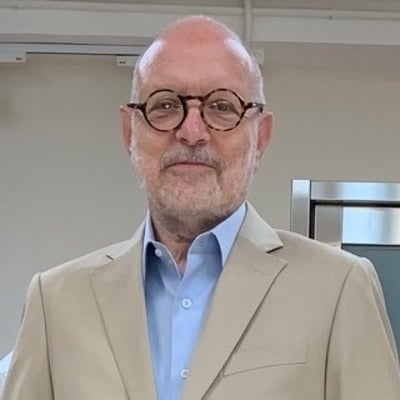
Emeritus Professor Roy Green
Emeritus Professor Roy Green is Special Innovation Advisor at the University of Technology Sydney.
He has previously worked in universities, business and government in Australia and overseas, including as Dean of the Macquarie Graduate School of Management, Dean and Vice-President for Research at the National University of Ireland, Galway and most recently as Dean of the UTS Business School at the University of Technology Sydney.
He has undertaken research projects with the OECD, European Commission and other international bodies. He has also chaired the Australian Government's Innovative Regions Centre, CSIRO Manufacturing Sector Advisory Council, NSW Manufacturing Council and Queensland Competition Authority.
Recently, Professor Green joined the Research Advisory Committee of the Centre for Policy Development, the Board of the Innovative Manufacturing CRC and the newly established Australian Design Council.
Professor Jing Han
Professor Jing Han is Director of the Australia-China Institute for Arts and Culture at the Western Sydney University and a leading expert in translating Chinese culture, intercultural communication, audiovisual translation and media accessibility. She is highly regarded for her significant and original contributions to the field and industry. Jing is also known for intercultural competence, strong leadership and innovative thinking.
Jing received her PhD in English literature from the University of Sydney in 1995. In 1996 she joined the public broadcaster SBS TV Australia as Mandarin subtitler. Since 2006 she has been the Chief Subtitler and Head of the SBS Subtitling Department, leading the Department to a great international success and fame. Over the last 23 years, Jing has subtitled over 300 Chinese films and documentaries including Crouching Tiger, Hidden Dragon, Lust, Caution, Wedding Banquet, Hero, Under the Hawthorn Tree, Not One Less, Ash Is the Purest White, I Am Not Madam Bovary, Let the Bullet Fly, Sacrifice, The Blue Kite, Crazy Stone, Shanghai Dream, A World without Thieves, Springtime in a Small Town, Beijing Bicyle etc. In the last six years, Jing has been the leading subtitler of the most popular Chinese TV show If You Are the One. Her critically acclaimed English subtitles have played a key role in creating a cult following in Australian audiences and setting the record of the longest showing non-English series in Australian broadcasting history. The show’s cultural impact and influence on Australian audiences is also unprecedented. So far Jing has subtitled over 400 episodes of the show as well as other Chinese TV series. Jing has been frequently invited to speak at conferences and has delivered lectures at over 30 universities across the world. In recognition of her outstanding contributions to the cultural exchange between Australia and China, she was included in the 45 Stories published by the Australian government. She is the executive producer of the English edition of 100-episode documentary series A History of China commissioned by CGTV China.
Jing joined Western Sydney University in 2006 and has been a key faculty member in its flagship program, Translation & Interpreting, in the School of Humanities and Communication Art. She has designed and taught a range of translation and interpreting courses including Audiovisual Translation and Literary Translation for postgraduates. She is a PhD supervisor, supervising PhD candidates in a range of research areas including translation and interpreting studies, multimodality and media studies, Chinese culture and literature translation, Traditional Chinese Medicine (TCM) translation and intercultural communication. Jing has been Associate Dean for International at School of Humanities and Communication Arts and played a pivotal role in establishing partnerships with many universities in mainland China, Taiwan and Europe. Jing is the English translator of a modern Chinese classic Educated Youth by multi-award winning author Ye Xin, published by Giramondo in 2016. She is also a highly accomplished professional interpreter for live interpreting at significant cultural and literary events.
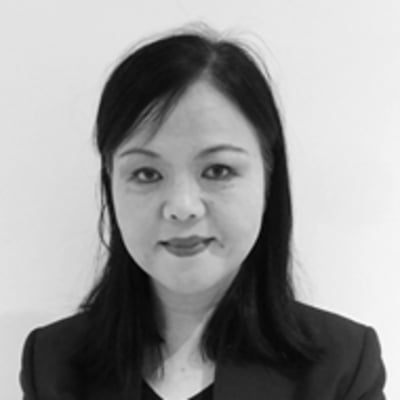
Tim Harcourt
Tim Harcourt is the new Industry Professor and Chief Economist at the Institute for Public Policy and Governance (IPPG) at the University of Technology Sydney (UTS).
Professor Harcourt specialises in Australia’s economic engagement with the Global Economy particularly Asia, Latin America and Emerging Markets and has worked in both public policy and research roles in International Trade, Labour Markets, Climate Innovation and the Economics of Sport.
He is passionate about making economics and international trade accessible to the whole community. He is well known for his TV show The Airport Economist about his travels to over 60 countries to see what makes their economies tick and the potential trade opportunities with Australia. The Airport Economist is also a podcast and a best-selling book with a just released sequel The Airport Economist Flies Again! He also hosts two TV series on China and Australia The Big Picture and After the Pandemic.
Professor Harcourt joined UTS in April 2021 from the University of New South Wales (UNSW) where he was Professor of Practice in Economics at the UNSW Business School.
He was also previously the first Chief Economist of the Australian Trade and Investment Commission (Austrade) and Research Officer/Advocate with the Australian Council of Trade Unions (ACTU), a role first held by Bob Hawke in the 1960s. He has been an Adviser to two State Premiers and three Federal Cabinet Ministers and an Expert Panel Member to the Fair Work Commission (FWC) on Minimum Wages and Superannuation. He has also been an International Economist with the Reserve Bank of Australia (RBA) and has worked as an Economist in the private sector in USA, UK and Israel.
You can find The Airport Economist TV series, podcast, books and blogs at theairporteconomist.com and footynomics.com.au.

Dr Benjamin Herscovitch
Dr Benjamin Herscovitch is a Research Fellow at the School of Regulation and Global Governance at the Australian National University, where he focuses on China’s economic statecraft and Australia-China relations. He is a member of the ANU Working Group on Geoeconomics.
Prior to joining RegNet, Dr Herscovitch was an analyst and policy officer in the Department of Defence, specialising in China’s external policy and Australia’s defence diplomacy. He was previously a researcher for Beijing-based think-tanks and consultancies.
Dr Herscovitch holds a Bachelor of International Studies from the University of New South Wales (1st Class Honours and the University Medal) and a PhD in political theory from the University of Sydney.
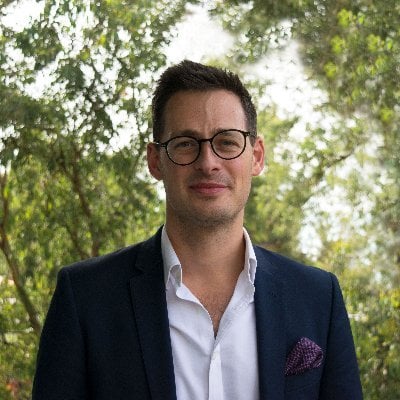
Dr Maggie Ying Jiang
Dr Maggie Ying Jiang is Australian Director at the University of Western Australia (UWA) Confucius Institute and Associate Professor at UWA Business School.
Dr Jiang grew up in China, studied and worked in Europe before obtaining her doctoral degree in Australia. She worked at the University of Adelaide as an academic with tenure until 2018 before joining the University of Western Australia.
Dr Jiang’s research interests and publications mainly include cross-cultural communication, social media and public relations. One of her books, Cyber-nationalism in China, has been sold and downloaded more than 60,000 times. One of her articles ‘‘Reversed agenda-setting effects’ in China: Case studies of Weibo trending topics’, published by the Journal of International Communication, has become one of the most read articles on Taylor & Francis online.
In 2018, she was named one of the ten most outstanding young Australian-Chinese in Australia's Golden Wattle Awards. In addition to her academic work, Dr Jiang conducts strategic communication training for a wide range of organisations. She has provided cross-cultural communication support for several major projects. Dr Jiang also serves on the editorial board of the Journal of Asian Communication.
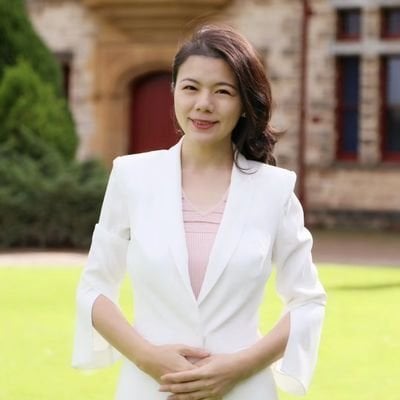
Yun Jiang
Yun Jiang is an Adjunct Fellow at the Australia-China Relations Institute at the University of Technology Sydney (UTS:ACRI). She is also working on competition policy research at Treasury and studying Arabic and Hindi at the ANU.
She is a public policy specialist with extensive research and media experience. She is known for her interdisciplinary approach to public policy, with expertise in international policy, national security policy, and economic policy.
She has published widely and appeared in Australian and international media to discuss China-related topics, focusing on assessing Australia's policies on China and the implication of the bilateral relationship for Chinese-Australian communities. Her writings have appeared in publications such as Australian Foreign Affairs and the Sydney Morning Herald. She has provided expert commentary to BBC, Al-Jazeera as well as appeared as a panellist on Q&A, The Drum, and ABC News. In addition, she has appeared as an expert witness for parliamentary inquiries and provided training to senior Australian public servants.
She was recently the AIIA China Matters Fellow. Prior to this, she was the co-founder and editor of China Neican and the managing editor of the China Story blog at the Australian Centre on China in the World at ANU. Her public service experiences include the Department of the Prime Minister and Cabinet, Treasury and the Department of Defence.
She is passionate about advancing cultural diversity and inclusion, especially in the public service.
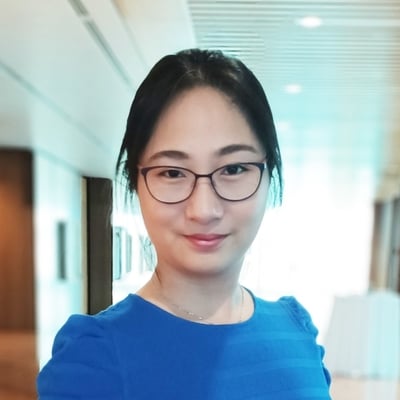
Glenda Korporaal
Glenda Korporaal was a Sydney based journalist with The Australian newspaper specialising in business, financial affairs and international relations. She is a former London, Washington and New York correspondent of The Australian Financial Review (AFR) and was the first woman deputy editor of the AFR (1986-1988). She has been business editor of The Bulletin magazine, editor of The Australian’s monthly business magazine, The Deal, and associate editor (business) of The Australian.
She has a strong interest in Asia, particularly China, since her first visit to the People's Republic of China (PRC) on a 'farm study tour' in 1978. She was the China correspondent for The Australian in 2018 and 2019. She has lived and worked in Hong Kong (2001-2003) and Singapore (1998-1999). She has had a strong interest in the Olympics having covered Games in Atlanta (1996), Nagano (1998), Sydney (2000), Athens (2004), Beijing (2008) and London (2012).
She is the author of several books including Making Magic. The Marion Mahony Griffin Story, An Olympic Life (with Kevan Gosper), The Bid. How Australia won the 2000 Games (with Rod McGeoch), The AARNet Story, 20 years of the internet in Australia, and Yankee Dollars. The Story of Australian Investment in the US.
She holds a Bachelor of Commerce from the University of New South Wales (UNSW) and a Master of Arts (Economics) George Washington University, Washington DC. She was awarded an OAM for her contribution to print journalism in the Australia Day honours of January 2019.

John Lee
John Lee is director of the consultancy East West Futures. He is also a researcher at the Leiden Asia Center, a consultant for the International Institute for Strategic Studies and Co-lead on the EU China Semiconductor Observatory. John’s research focuses on China and digital technology, in particular China’s cyberspace governance regime, the semiconductor industry and future telecommunications networks. Previously he was a senior analyst at the Mercator Institute for China Studies and worked at the Australian Department of Foreign Affairs and Trade and the Department of Defence.
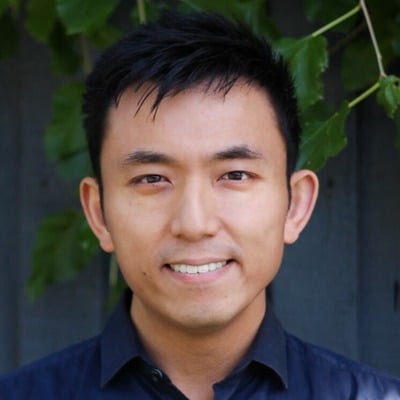
Dr Wei Li
Dr Wei Li is a Lecturer in International Business at the University of Sydney Business School. She chairs Business School’s Research Ethics Committee. Before joining the university, Dr Li worked in corporates in the UK and China. Her current research looks at the globalisation of Chinese enterprises and Chinese economy. She has also published extensively on sustainability and renewable energy in China. She is the recipient of numerous industry research grants, including the recent National Foundation for Australia China Relations 2021-22 Competitive Grant. Dr Li is a regular contributor to public debate on topical issues linked to Chinese investment, sustainability and renewable energy in China. She appears regularly as an economic commentator for ABC and SBS Radio.
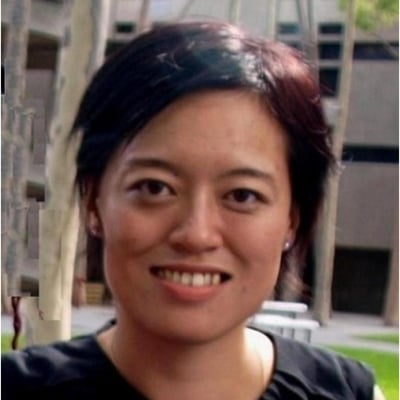
Dr Minran Liu
Dr Minran Liu is an Adjunct Fellow at the Australia-China Relations Institute at the University of Technology Sydney (UTS:ACRI).
He is a Lecturer in International Relations at the School of Political Science and International Studies (POLSIS) at the University of Queensland. Before joining UQ, he was a Lecturer in International & Political Studies at the School of Humanities and Social Sciences (HASS) at UNSW Canberra at the Australian Defence Force Academy (ADFA). He also previously served as a Lecturer in International Relations within the Discipline of Government and International Relations (GIR) at the University of Sydney, where he completed his PhD.
His teaching and research centre on Chinese foreign and security policy, Indo-Pacific security, International Relations theory, and Australia-China relations. Committed to public engagement, he disseminates his insights through regular participation in academic discussions and contributions to various Australian and international media outlines.
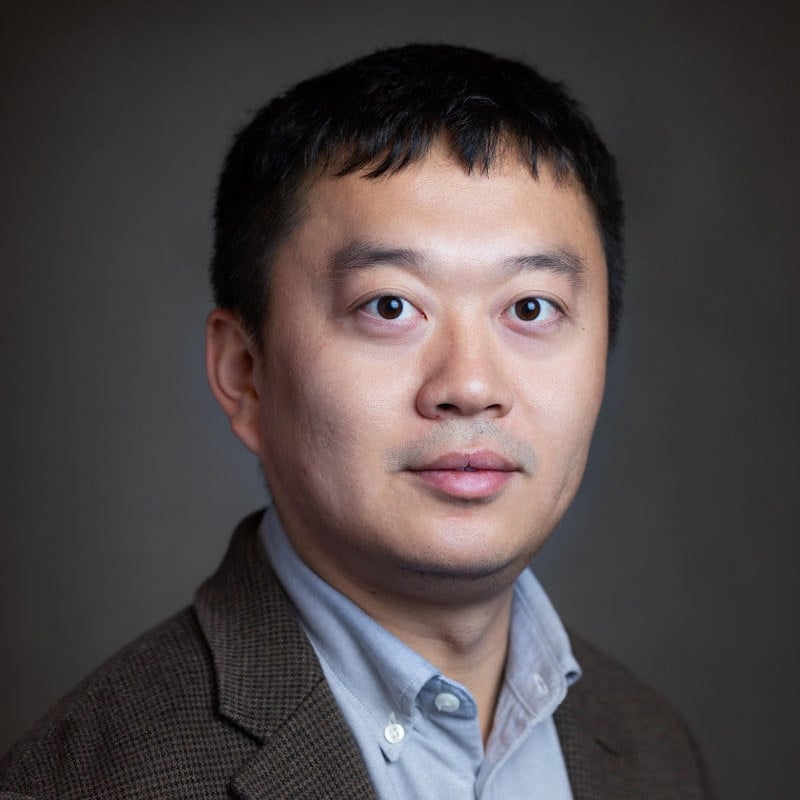
Kevin Magee
Kevin Magee is an Adjunct Fellow at the Australia-China Relations Institute at the University of Technology Sydney (UTS:ACRI).
Mr Magee is a former Australian ambassador and senior Department of Foreign Affairs and Trade (DFAT) official. He had a 34-year career in DFAT during which he was the Australian Representative in Taipei (2011-2014), Ambassador to Saudi Arabia (2008-2011) and Consul-General in Guangzhou (2003-2007). He also served as Deputy Head of Mission in Moscow (2001-2003) and Chargé d’affaires to Russia (2016) and was posted to Singapore as First Secretary (1994-1997) and Beijing as Third Secretary (1990-1992).
During his career with DFAT, among other jobs Mr Magee headed up the areas dealing with both China and with Russia. He also led the Taskforce that established the National Foundation for Australia China Relations and was the interim CEO of that organisation.
Mr Magee has a strong interest in Asia, in particular with China, since his first visit to the People’s Republic of China during the northern winter of 1985-86 where he taught conversational English at the South West China Normal University in Bei Pei Chongqing. He studied Mandarin at both the Beijing Foreign Languages Institute in 1988 and the Taipei Language Institute in 1989.
Mr Magee’s main research interests are Australia-China bilateral relations, Cross Taiwan Strait Relations, China’s relations with Saudi Arabia and the Middle East and China-Russia relations.
He holds B.A. (Hons) and LLB degrees from Monash University and was recognised by Monash University in 2011 as a Monash University Distinguished Alumni. In 2013, he was recognised by the Taipei Language Institute as a TLI Outstanding Alumni. In 1992, he was appointed a United Nations Fellow and spent half a year based in Geneva and New York.
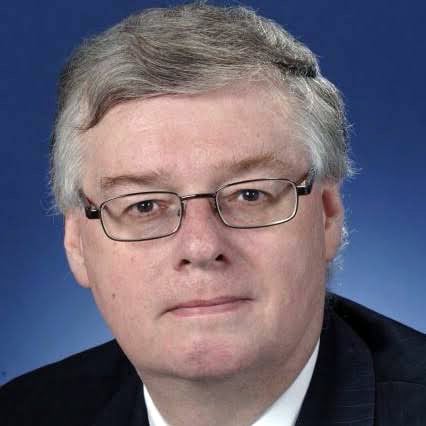
Professor Greg McCarthy
Professor Greg McCarthy is an Adjunct Professor at the Australia-China Relations Institute at the University of Technology Sydney (UTS:ACRI).
Professor McCarthy was the BHP Chair of Australian Studies at Peking University, Beijing and now holds an Honorary Research fellowship at the University of Western Australia. He is a research Alumni at Peking University and Adjunct Professor at the Inner Mongolia Normal University.
Professor McCarthy’s main research interests and extensive publications are on Australian politics and political culture. His research focuses on transitional change within and between nations. He has also explored the political implications of the conversion of Australian higher education from an elite to a mass education system. In addition, he has investigated the international relationship between Australia and China as read through the policies of contemporary Australia governments.
Professor McCarthy has had extensive teaching experience on the topic of Chinese students in Australia and at Peking University, at both undergraduate and postgraduate levels. He has supervised many MA and PHD Chinese students in fields of inquiry that links governance and post-colonial theory in both China and Australia.
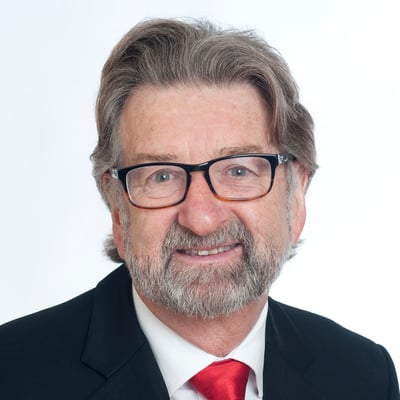
Simone van Nieuwenhuizen
Simone van Nieuwenhuizen was Project and Research Officer at the Australia-China Relations Institute, University of Technology Sydney from 2017-2019.
Simone holds a Master of International Relations (Diplomacy) from Peking University and a Bachelor of Arts (Languages) from the University of Sydney. Her most recent position was Project Officer at the University of Sydney, where she helped establish its Centre in China. Simone has also held research and project roles at the University of Sydney China Studies Centre, as well as the Carnegie-Tsinghua Center for Global Policy and the Lowy Institute for International Policy. She is co-author of China and the New Maoists (2016, Zed Books).
Her research interests include Chinese foreign policy and diplomacy, and China-Middle East relations. Simone speaks Mandarin Chinese and Arabic.

Dr Joyce Nip
Dr Joyce Nip is an Associate Professor in the Department of Media and Communications and Department of Chinese Studies at the University of Sydney.
Before coming to Sydney, she had more than 20 years of experience in journalism teaching, research and practice as an Assistant Professor and journalist (in television, radio, newspapers and magazine) mainly in Hong Kong. From 2013 to 2014, Dr Nip was Visiting Associate Professor at the University of Hong Kong, collaborating on research on China’s social media. From 2004 to 2005, she was a Fulbright Visiting Scholar at the University of Maryland, College Park, US, researching public journalism.
Dr Nip has been a judge for a number of journalism awards for over 20 years, including the Awards for Editorial Excellence organized by the Society of Publishers in Asia, the Human Rights Press Awards, the Consumer Rights Reporting Awards in Hong Kong, and the Web Citizen Awards of Hong Kong.
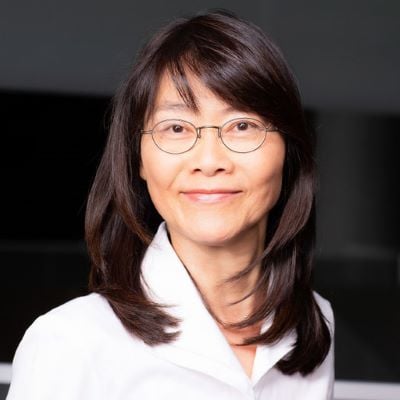
Jane Orton
Jane Orton, PhD was Director of the Chinese Teacher Training Centre at the University of Melbourne from 2009 to 2015, prior to which she coordinated Modern Languages Education at the Melbourne Graduate School of Education for 20 years. Jane Orton is an internationally recognised leader on the teaching and learning of Chinese and has published widely in the field, including The Current State of Chinese Language Education in Australian Schools (third edition, The University of Melbourne and Asialink, Melbourne, 2010) and most recently, ‘Chinese Language Education: Teacher Training’ in Chan Sin-Wai (ed.) The Routledge Encyclopedia of the Chinese Language, pp 104-118, Abingdon, Oxford: Routledge, 2016.
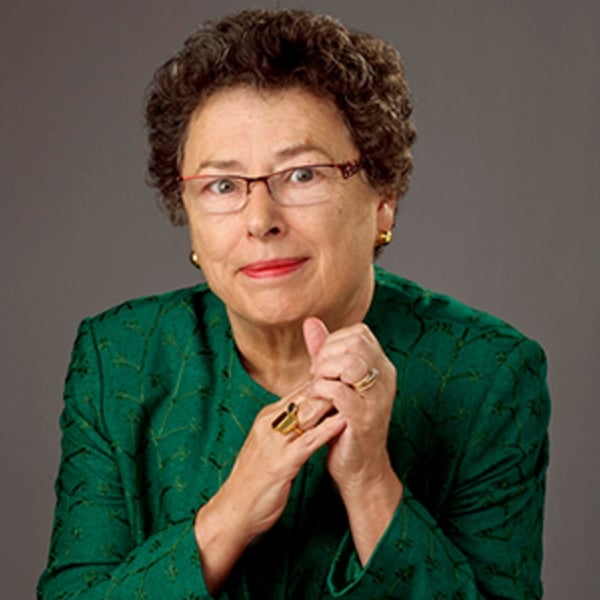
Peter Osborne
Peter Osborne is a UTS:ACRI Advisory Board member.
From 2009 to February 2020 Mr Osborne was Managing Director Asia for Blackmores Limited, Australia’s leading ASX listed natural healthcare company. Mr Osborne was responsible for Blackmores’ Asia business including subsidiary companies in Singapore, Thailand, Malaysia, Taiwan, Hong Kong, Korea and China, joint venture in Indonesia, distribution partnerships in Japan, Vietnam, Cambodia, Kazakhstan and Pakistan and overall strategy for Blackmores’ growth objectives in Asia.
Prior to working for Blackmores, Mr Osborne was Australia’s most senior trade diplomat in China as the Minister (Commercial) and Austrade’s Country Manager for China in the Australian Embassy Beijing. Mr Osborne also previously held Australia’s Senior Trade Commissioner positions in Shanghai, Hong Kong and Taipei, was the Trade & Investment Director of the South Pacific Forum Secretariat in Fiji and also served as the South Pacific Expert Adviser on trade development to the United Nations Conference on Trade and Development (UNCTAD), and the UN Commission for Sustainable Development.
In June 2017 Mr Osborne was appointed as Vice Chairman of the China Association for Quality Inspection (CAQI) Advisory Committee – the first and only foreign citizen to hold a CAQI committee position. CAQI is a high-level non-profit Chinese organisation with responsibility for product quality inspection under the supervision of China’s State Administration for Market Regulation.
Mr Osborne currently lives in Taipei.
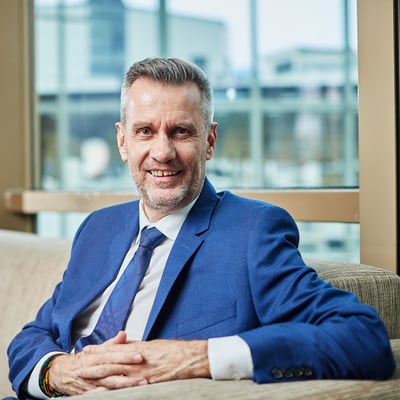
Dr Chengxin Pan
Dr Chengxin Pan is an Adjunct Associate Professor at the Australia-China Relations Institute at the University of Technology Sydney (UTS:ACRI).
Heis also an Associate Professor of Political Science at the Department of Government and Public Administration at the University of Macau, and a co-editor of the Global Political Sociology book series (Palgrave Macmillan). He is the author of Knowledge, Desire and Power in Global Politics: Western Representations of China’s Rise (Edward Elgar, 2012), and has published in many international journals such as European Journal of International Relations, Review of International Studies, The Pacific Review, International Relations of the Asia-Pacific, and Australian Journal of International Affairs.
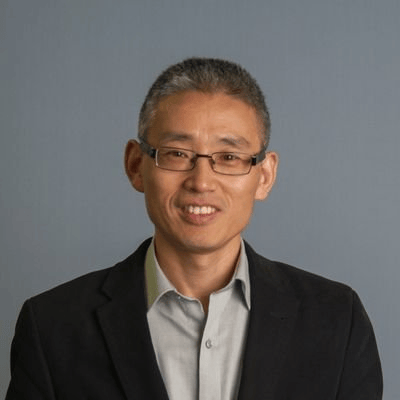
Thomas Pantle
Thomas Pantle was a Project and Research Officer at the Australia-China Relations Institute, University of Technology Sydney.
Thomas completed a Bachelor of Economics majoring in Econometrics and Chinese at the University of Sydney. His research interests include the Australia-China economic relationship, foreign affairs, and trade. He has studied in China at Fudan University under the New Colombo Plan. Thomas has previously worked for the Australian Trade and Investment Commission and A.B. InBev in Shanghai and was an intern with J.P. Morgan in Hong Kong.

Professor Richard Rigby
Professor Richard Rigby was a UTS:ACRI Advisory Board member.
He is an Emeritus Professor in the College of Asia and the Pacific at the Australian National University. Professor Rigby joined Australia's Department of Foreign Affairs in 1975, where he worked until the end of 2001: postings included Tokyo, Beijing (twice), Shanghai (Consul-General 1994–1998), London, and Israel (Ambassador, 2000–2001). He then joined the Office of National Assessments as Assistant Director-General, responsible for North and South Asia, where he worked until taking up the position of Founding Director of the ANU China Institute in April 2008. Following the creation of the Australian Centre on China in the World, he was concurrently Associate Director, CIW, until his retirement in April 2018. He was then appointed Emeritus Professor in the ANU College of Asia and the Pacific.
While engaged in government work, Professor Rigby continued to pursue his academic interests with a series of translations, book reviews and articles on China-related topics. His personal interests in Chinese studies are primarily literary and historical, but his profession has ensured a thorough immersion in most aspects of contemporary China and other major Asian cultures.
Huw Slater
Huw Slater has been based in China since 2011, working on carbon pricing, energy policy and low-carbon development. He is currently Lead Climate Specialist at ICF, where he is working on the EU-China ETS Platform and the UK Prosperity Fund China Energy and Low Carbon Economy Programme.
Since 2015, Mr Slater has been a co-author of the China Carbon Pricing Survey reports, the most in-depth and extensive summary of stakeholder views on China’s carbon market development. He has also published on China's emission reduction targets, coal power overcapacity, power rationing and carbon market development.
Mr Slater was previously Research Manager at China Carbon Forum, a Beijing-based non-profit, worked as a Climate Policy Consultant at Chinese NGO Institute for Environment and Development, and with an Australian National University (ANU) research team, reporting on Climate Change and Fiscal Policy as part of the APEC Finance Ministers’ Policy Initiatives of 2008.
Mr Slater has a Master of Asia Pacific Studies and a Master of Climate Change from ANU.
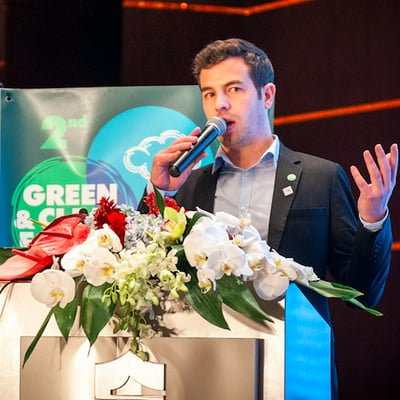
Wanning Sun
Wanning Sun was Acting Chair of the UTS:ACRI Advisory Board, a UTS:ACRI Research Associate, and a Professor of Media and Communication in the Faculty of Design and Society at UTS.
She is a specialist in a number of areas, including Chinese media and cultural studies; rural-to-urban migration and social change in contemporary China; and soft power, public diplomacy and diasporic Chinese media. She is the author of three single-authored monographs: Leaving China: Media, Migration, and Transnational Imagination (2002); Maid in China: Media, Morality, and the Cultural Politics of Boundaries (2009); and Subaltern China: Rural Migrants, Media, and Cultural Practices (2014). Two of her edited volumes—Media and the Chinese Diaspora: Community, Communication and Commerce (2006) and Media and Communication in the Chinese Diaspora: Rethinking Transnationalism (2016)—document the history and development of Chinese language media in Australia, North America, Europe, Africa, South America, and Southeast Asia.
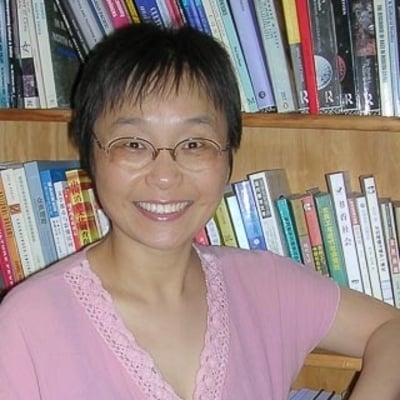
Dr Matthew Sussex
Dr Matthew Sussex is Senior Fellow at the Centre for Defence Research, Australian Defence College; Associate Professor (Adjunct) at the Griffith Asia Institute, Griffith University; and a Visiting Fellow at the Strategic and Defence Studies Centre, ANU. His research specialisations revolve around national security and strategic studies, with a particular focus on Russia and Eurasia, great power foreign policies, and hybrid/ information warfare. His books include The Palgrave Handbook of National Security (2021) (with Michael Clarke, Adam Henschke and Tim Legrand), The Belt and Road Initiative and the Future of Regional Order (Lexington 2020) (with Michael Clarke and Nick Bisley), Violence and the State (Manchester University Press 2017), Power, Politics and Confrontation in Eurasia (Palgrave 2015), Russia, Eurasia and the New Geopolitics of Energy (Palgrave 2015) and Conflict in the Former USSR(Cambridge University Press 2012). He has previously been Associate Professor at the Crawford School, Australian National University and Head of Politics and International Relations at the University of Tasmania. He been a non-resident Fellow at the Lowy Institute for International Policy, has served on the National Executive of the Australian Institute of International Affairs and has been the Associate Editor of the Australian Journal of International Affairs.
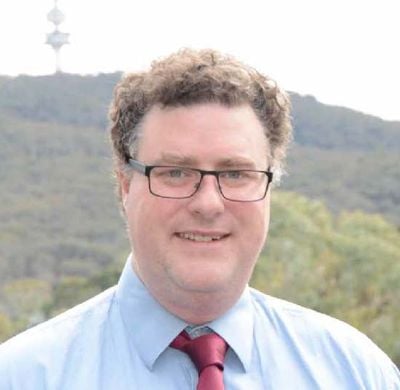
Dr Phillip Toner
Dr Phillip Toner is a Senior Research Fellow in the Department of Political Economy at the University of Sydney and Adjunct Professor at UTS Business School.
Prior to an academic career he had extensive experience in economic and labour market analysis including Federal Treasury. His PhD, from Sydney University was on the role of manufacturing industry in economic development, was published by Macmillan in the UK.
His research interests include industrial structure analysis and industry policy, the economics of technical change and international national vocational skills formation systems.
He has published extensively on these topics in leading international and domestic academic journals. He has undertaken projects on these topics for the OECD, ILO, European Union, World Bank, Industry Canada, South African Human Sciences Research Council, Asia-Pacific Economic Cooperation, Australian Research Council, National Centre for Vocational Education Research and a range of Australian government agencies, employer and employee organisations.

Dr Merriden Varrall
Dr Merriden Varrall was a UTS:ACRI Advisory Board member.
She is Director of the Australia Geopolitics Hub at KPMG, where she provides business-relevant insights into global, regional and local geopolitical trends.
From 2014- 2018, Dr Varrall was the Director of the Lowy Institute’s East Asia Program, where she is a non-resident fellow. Before joining the Institute, Dr Varrall was the Assistant Country Director and Senior Policy Advisor at United Nations Development Programme, China, where she worked on China’s role in the world, focusing on its international development cooperation policy. Prior to that she worked for the Australian Government Treasury and the Department of Family and Community Services.
Dr Varrall spent almost eight years living and working in China, including lecturing in foreign policy at the China Foreign Affairs University and conducting fieldwork for her doctoral research. Dr Varrall has a PhD examining Chinese foreign policy from Macquarie University, Sydney, and the Vrije Universiteit, Amsterdam. She has a Master’s Degree in International Affairs from the Australian National University, and completed her undergraduate studies in international studies at the University of Technology Sydney.
Dr Varrall is a sought-after commentator on geopolitics, East Asia, China’s foreign policy, and Australia’s bilateral relationship with China. Her analyses have appeared in academic journals, as well as publications such as The Quarterly, The New York Times, Nikkei Asian Review, Foreign Policy, The East Asia Forum, and the Lowy Interpreter, among others.

Guanghua Wan
Guanghua Wan is an Adjunct Professor at the Australia-China Relations Institute, University of Technology Sydney.
Professor Wan is also Director of the Institute of World Economy at Fudan University. Previously, he was Research Director and Head of Poverty/Inequality Group at Asian Development Bank (ADB). Prior to ADB, he was a senior economist in the United Nations and taught in a number of universities in Australia and China.
Trained in development economics and econometrics, Professor Wan is a multi-award-winning scholar on the Chinese economy and an expert on Asia, with an outstanding publication record of more than 100 professional articles and a dozen books including two by Oxford University Press. An honorary professor of over 10 top institutions in China, Professor Wan is among the top five percent of economists globally and top three percent in Asia according to the latest ranking of RePEc. Some of his publications can be downloaded here.
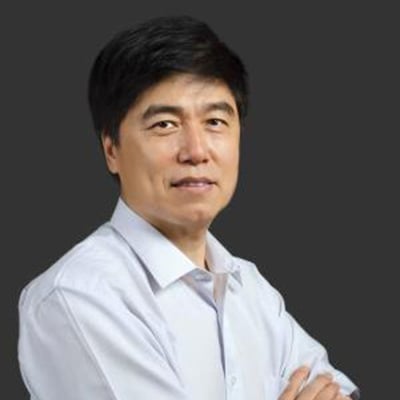
Dr Garry Willinge
Dr Garry Willinge was a UTS:ACRI Advisory Board member.
He is theManaging Director of Cbridge Limited (HK), a management consulting, corporate advisory, capital markets and leadership development firm, with clients and partners across Asia (esp. China, HK & Taiwan), USA, South America, UK & Australia. He has interests in companies across a number of sectors around the world and facilitated early stage companies’ growth, IPO and exits. He is business partner to a Nobel laureate (Medicine) in the field of gastroenterology, with whom he has incorporated Hong Kong companies and PRC Joint venture companies related to cancer diagnostic product development and treatment solutions. He has been living & working in and out of Hong Kong for 18 years.
Dr Willinge is a Fellow of the Australian Institute of Company Directors (AICD) and a Fellow of the Hong Kong Institute of Directors. He is chairman of AICD Hong Kong Advisory Committee. He graduated with a Bachelor of Science Degree from the University of Melbourne. He gained a Graduate Diploma of Company Directors from the University of New England and was awarded a Graduate Diploma of Applied Finance and Investment from the Securities of Institute of Australia. He also completed the INSEAD Asian International Executive Programme and attended a number of Harvard sponsored IBM management programs over many years.
He is an Adjunct Professor of Business Studies at Curtin University in Australia and previously served a full term of nine years on the Advisory Board of Curtin Business School. In November 2013, he received an honorary degree of Doctor of Technology from Curtin University.
Dr Willinge currently serves on Advisory boards and as a non-executive Director and Chairman on a number of unlisted and listed public and private company boards internationally.
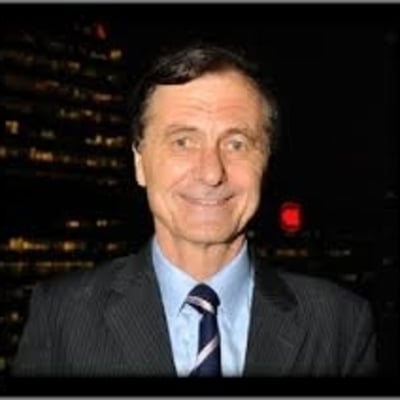
Dr Jeffrey Wilson
Dr Jeffrey Wilson is an academic, policy analyst and consultant with expertise in the international economic relations of the AsiaPacific. He has consulted for government and businesses in Australia on trade policy issues, and has contributed to a range of national and international policy dialogues involving the US, China, Korea, Indonesia, India and Australia. He is the author of two books, over two dozen scholarly articles and chapters, and a wide range of policy analyses and reports for both Australian and international audiences. Jeffrey is currently the Head of Research for the Perth USAsia Centre, an independent think-tank dedicated to fostering stronger relations between Australia, the US and the wider Indo-Pacific. He is also a faculty member of the Asia Research Centre at Murdoch University: one of Australia’s longeststanding and internationally recognised academic research centres on contemporary Asia.

Dr Junji Xiao
Dr Junji Xiao is an Adjunct Associate Professor at the Australia-China Relations Institute, University of Technology Sydney.
He is also a tenured Associate Professor at Lingnan University in Hong Kong. Dr Xiao received his Ph.D. from the University of Toronto. He is an economist with research interest in the fields of empirical industrial organisation, environmental economics and China's economy. His recent work has focused on the Chinese automobile industry and explored such topics as the competition structure, the welfare effect of environmental policies and the vertical restraints of the industry. His research papers have been published in academic journals such as the International Economic Review, Review of Economics and Statistics, and Journal of Environmental Economics & Management. Dr Xiao taught at UTS Business School, the Chinese University of Hong Kong, Fudan University and Shanghai University of Finance and Economics, respectively. He was awarded the German DFG Fellowship in 2001 and the Hong Kong RGC grant in 2016 and 2022.
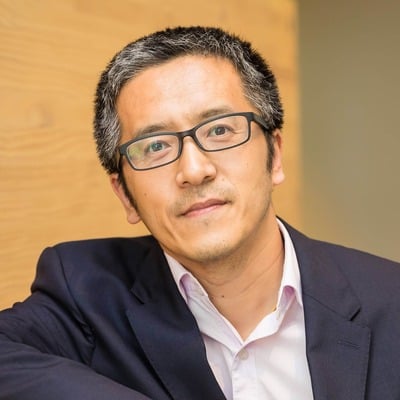
Professor Tao Xie
Professor Tao Xie was an Adjunct Professor at the Australia-China Relations Institute at the University of Technology Sydney (UTS:ACRI).
Professor Tao Xie is the Dean of the School of International Relations and Diplomacy, Beijing Foreign Studies University. He holds a PhD in political science from Northwestern University. Professor Xie’s research interests include American politics, China-U.S. relations, and Chinese foreign policy. He has published extensively in both English and Chinese, including most recently 'In the Shadow of Strategic Rivalry: China, America, and the Asian Infrastructure Investment Bank', published in the Journal of Contemporary China.
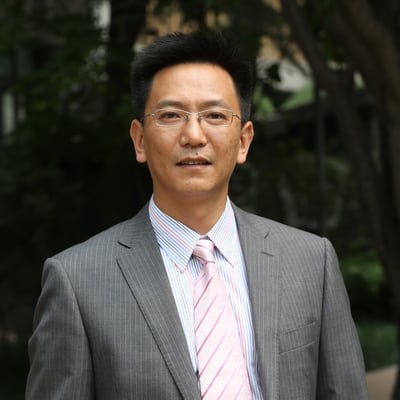
Dr Xing Xu
Dr Xing Xu is an Adjunct Fellow at the Australia-China Relations Institute at the University of Technology Sydney (UTS:ACRI).
She is an Alfred Deakin Postdoctoral Research Fellow at the Centre for Research for Educational Impact (REDI), Deakin University.
Her research examines Australia–China engagement in higher education and research, with particular interests in international research collaboration, international students, higher education policy, and the geopolitics of higher education. She is currently leading a Deakin University-funded research project investigating Australia–China research collaboration, examining how researchers navigate opportunities, risks, and governance in an increasingly complex global environment.
Dr Xu has an established publication record across monographs, book chapters, and peer-reviewed journal articles. Her work has appeared in leading international journals, including Higher Education, Studies in Higher Education, Higher Education Research & Development, and the Journal of International Students. Her research has also informed wider public and policy discussions through commentaries published in University World News, PIE News, and other academic and professional media outlets.
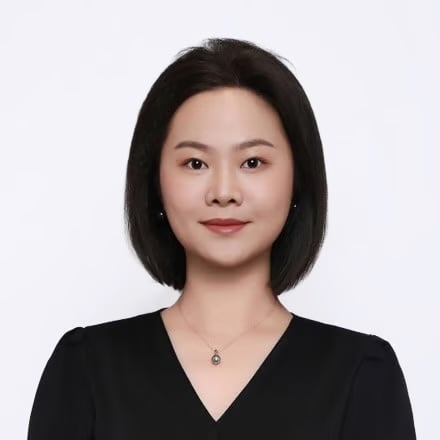
Dr Muyi Yang
Dr Muyi Yang is an Adjunct Fellow at the Australia-China Relations Institute at the University of Technology Sydney (UTS:ACRI).
He is also Senior Electricity Policy Analyst at Ember, a global energy and climate think tank. Before that, he worked at the Centre for Energy Policy at UTS for almost ten years. He also worked at the New South Wales Department of Industry briefly (2014-2015) and was a visiting research scientist at Data 61 in CSIRO (2019-2020).
He has actively engaged in teaching, research, and consulting on energy policy themes in national and global settings. Such themes include energy market reform, energy decarbonisation and sustainability, transport electrification, and governance and political economy.
He has also actively engaged with the media, including writing op-eds and providing commentary on policy issues pertaining to China's transition towards a clean energy future. His work has been published by Guangming Daily, China Energy News, Energy Magazine, China Petrochemical News, China Electric Power News, China Dialogue, Policy Forum, East Asia Forum, 21st Century Business Herald, Energy Tracker Asia, and the Oxford Institute for Energy Studies.
He has a Bachelor’s degree in applied physics from Beijing University of Technology and Master’s and Doctoral degrees in energy economics and policy from UTS.
A list of his publications can be found here.
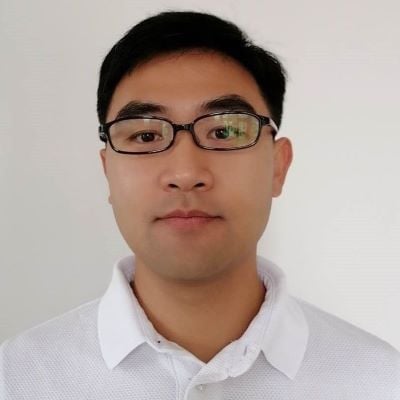
Haiqing Yu
Haiqing Yu is a Professor of Media and Communication and ARC Future Fellow (2021-2025) at RMIT University.
She researches the sociopolitical and economic impact of China’s digital media, communication and culture on China, Australia and the Asia Pacific.
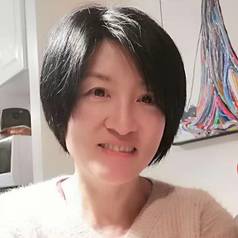
Dr Frank Yuan
Dr Frank Yuan is a Postdoctoral Fellow at the Australia Institute. He has previously worked at the Lowy Institute as a research assistant, and a history lecturer at the University of Sydney. His doctoral dissertation examined Australia's policy towards China between 1949 and 1990. At the Australia Institute, his work has focused on Chinese foreign policy, especially South China Sea, US-China relations, and Australia-China relations.
As well as publications with the Australia Institute, Dr Yuan has written for the Lowy Interpreter and The Australian Financial Review. He also published an academic journal article about Australia's trade with China at the height of the Cold War, based on a part of his PhD thesis. He has also provided commentary on Australian foreign policy and Australia-China relations in interviews with the ABC.
Aside from his expertise in Australian diplomatic history and Chinese foreign policy, Dr Yuan has developed significant interest in China's contemporary economic and technological development.
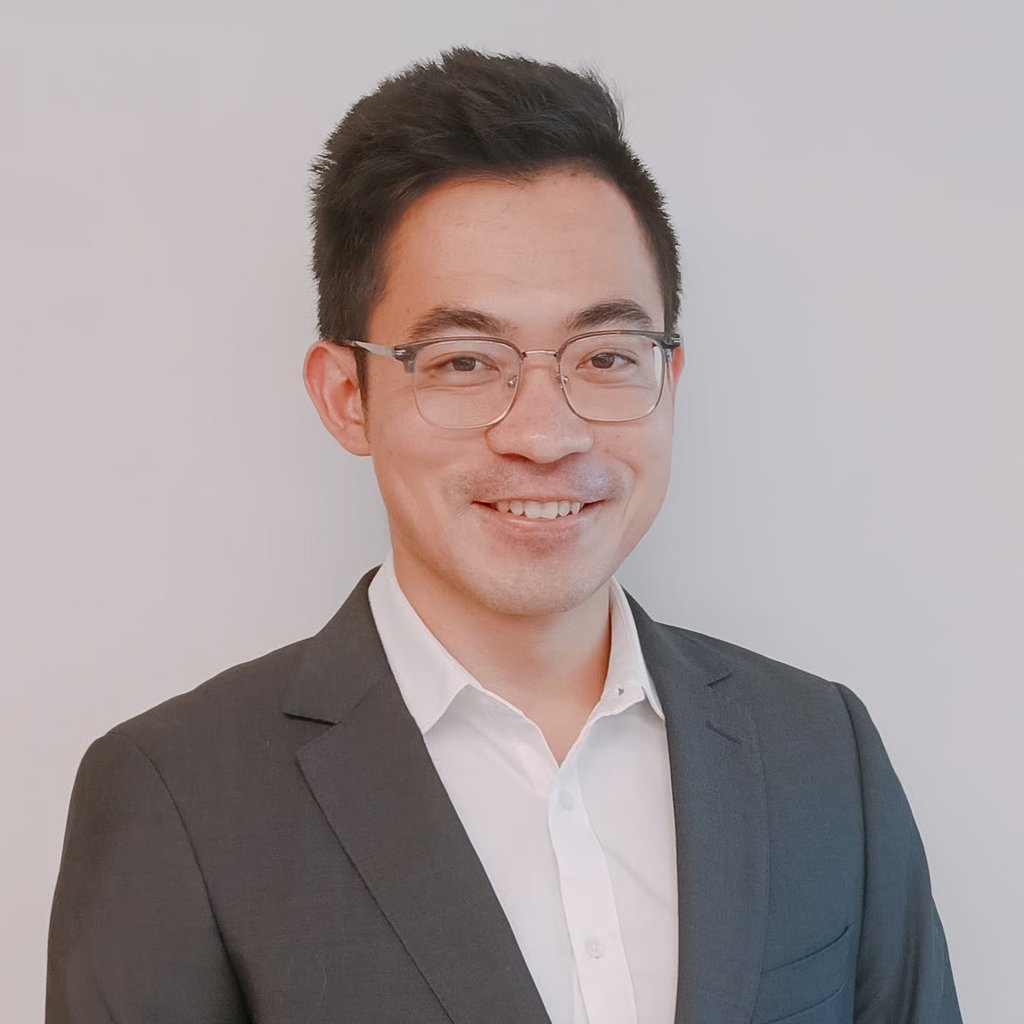
Dr Jingdong Yuan
Dr Jingdong Yuan is an Adjunct Fellow at the Australia-China Relations Institute at the University of Technology Sydney (UTS:ACRI).
Dr Yuan is an Associate Senior Fellow at Stockholm International Peace Research Institute (SIPRI). He is also a Zijiang Chair Professor and Director of the Center for Indian Ocean Region Studies at East China Normal University. Dr Yuan has previously served as Director of the China and Asia Security Program at SIPRI, Acting Director, Centre for International Security Studies and Chair, Department of Government and International Relations, both at the University of Sydney. His research focuses on Indo–Pacific security, Chinese foreign policy, Sino–Indian relations, China– EU relations, and nuclear arms control and non-proliferation. He has held visiting appointments at the National University of Singapore, University of Macau, East–West Center, National Cheng-chi University, Mercator Institute for China Studies, Fudan University, Berlin Social Sciences Centre (WZB) and the United Nations Institute for Disarmament Research (UNIDIR). He is the co-author of Chinese cruise missiles: quiet force-multiplier (2014) and China and India: cooperation or conflict? (2003), and co-editor of Engaging China: How Australia Can Lead the Way Again (2023) and Trump’s America and international relations in the Indo–Pacific (2021), and Australia and China at 40 (2012). His publications have appeared in numerous journals and edited volumes, including, most recently, “The Panda Diplomacy”, “Nuclear Wars”, “China’s Rise as a global actor in international development finance”, “China’s Emerging Private Security Companies”, among others. He is currently completing a book manuscript on China–South Asian relations.
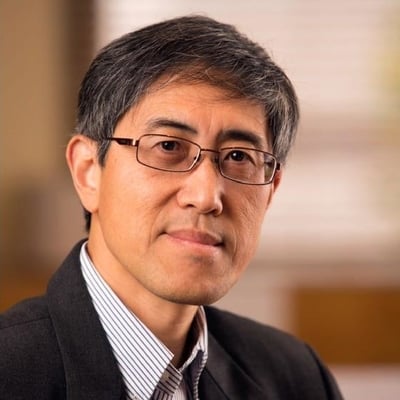
Dr Lei Zhang
Dr Lei Zhang is Chief Investment Officer at Yanzhou Coal Mining Ltd (SSE: 600188, HKeX: 1171), CEO at Yancoal International Holding, and Masters supervisor at National Accounting Institute in Beijing, China. Previously, he had various senior executive roles with Chinalco Mining International (HKeX: 3883) and multinational companies including SK, Shell, and Siemens. Dr Zhang has a Doctor Degree of Economics from Graduate School Chinese Academy Social Science, an MBA from Peking University Guanghua School Management, and is a CPA from Institute Chartered Accountants Australia.
Michael Zhou
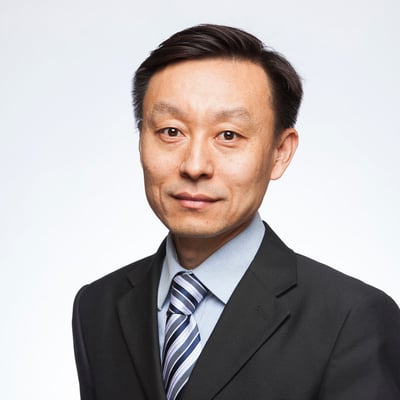
Michael Zhou was a Project and Research Officer at the Australia-China Relations Institute, University of Technology Sydney.
Michael completed a Bachelor of Commerce majoring in Economics at the University of Western Australia. His research interests included the Australia-China economic relationship, China’s economic development, and regional trade. He has studied in China at Shanghai Jiao Tong University under the New Colombo Plan, and has previously interned at the Australian Chamber of Commerce Shanghai and the Perth USAsia Centre.
Dr Weihuan Zhou
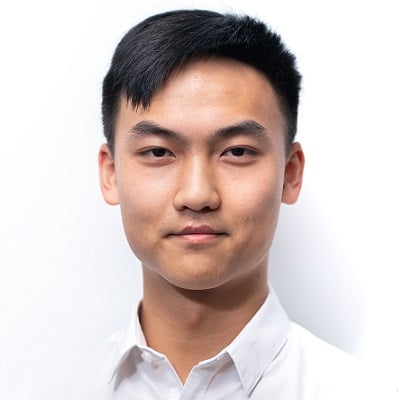
Dr Weihuan Zhou is Associate Professor, Director of Research, and an inaugural member of the Herbert Smith Freehills China International Business and Economic Law (CIBEL) Centre, Faculty of Law and Justice, UNSW Sydney. His research explores the most current and controversial issues in the field of international economic law (IEL), particularly the nexus between international trade law and China. He is the author of China’s Implementation of Rulings of the WTO (Hart, 2019) and co-editor of Rethinking, Repackaging and Rescuing World Trade Law in the Post-Pandemic Era (Hart, 2021), Non-Market Economies in the Global Trading System: The Special Case of China (Springer, 2018) and The China-Australia Free Trade Agreement: A 21st-Century Model (Hart, 2018). His work has appeared in all top journals in the field and in some of the best journals in the broader field of international law (such as the American Journal of International Law and International & Comparative Law Quarterly). His work has been cited widely, including in European Parliament briefings and reports of the Parliament of Australia and Australia’s Productivity Commission, and by leading scholars in the field. Dr Zhou is a former Executive Council Member and currently co-Secretary of the Society of International Economic Law (SIEL). He is a qualified lawyer in Australia and consults for governments and major companies on trade remedy cases and other cross-border trade and investment matters.