


Supporting people with disability
More than one in five Australians live with a disability – that’s an estimated 5.5 million people. They may live with impacts on their movement, vision, hearing, communication, learning, cognition, social engagement and mental health.
The UTS Disability Research Network employs its combined strength in diverse fields such as business, design, education, health, law, science, data innovation and technology to address real-world problems facing people with disability.
We work with people with disability to develop practical solutions, inform evidence-based policy, and build educational and employment opportunities in research, teaching and engagement for people with disability.
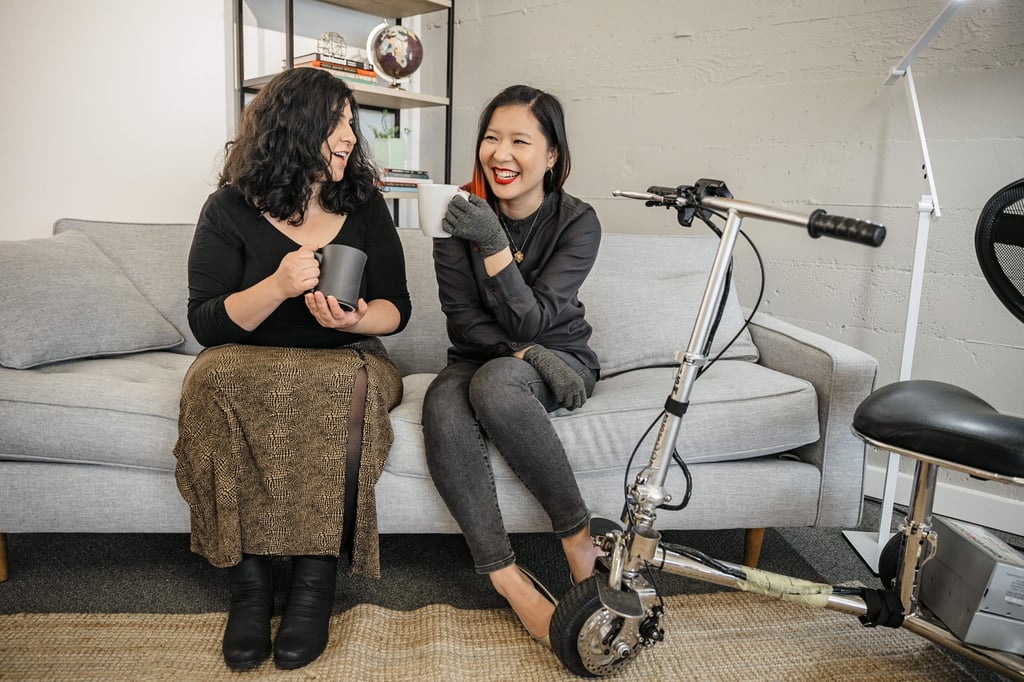
About us
The Disability Research Network was established in 2019 to further develop interdisciplinary, impact-driven, collaborative research with people with disability and industry partners.
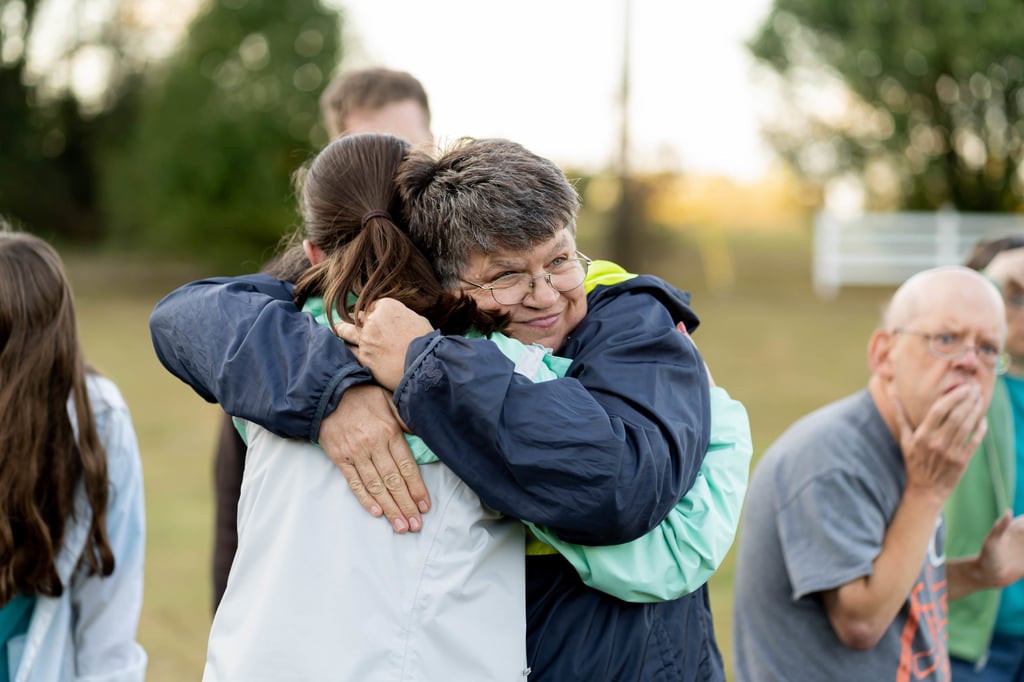
Partner with us
We work with many partners and stakeholders across government, not-for-profit, industry and consumer organisations on everything from short-term contract research for urgent needs to long-term collaborative research.
Let us know how we can help your community.
Our research projects
Our work is creating necessary tools to support people with disability, and through greater knowledge and advocating for changed attitudes in society, we are reducing inequities and empowering social participation for all.
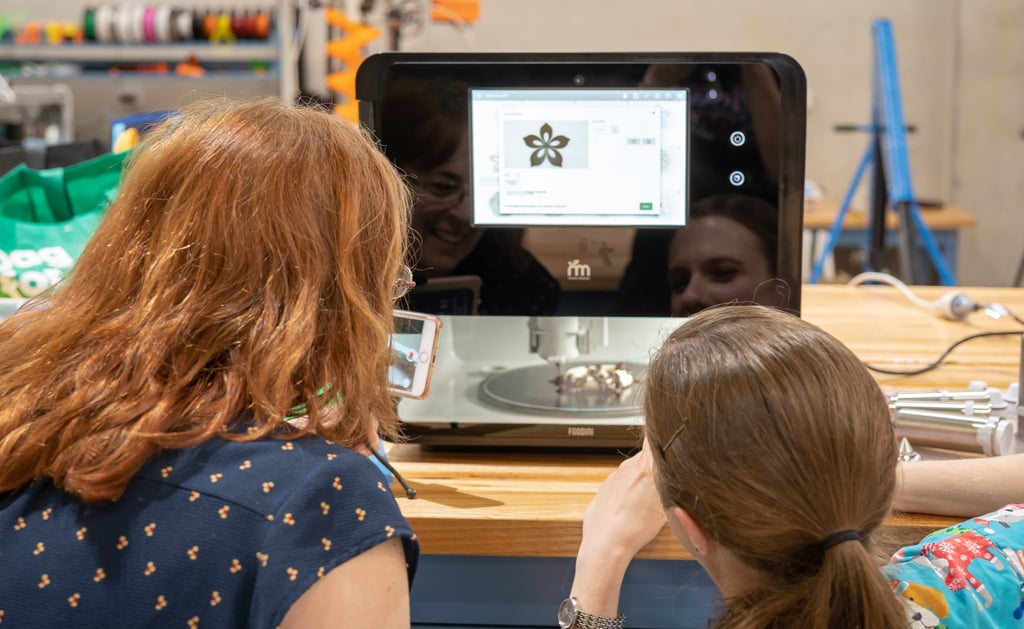
3D printed food for people with swallowing disability
Identifying ways 3D food printing could be used to improve the visual appeal of puree meals for people with swallowing difficulty.
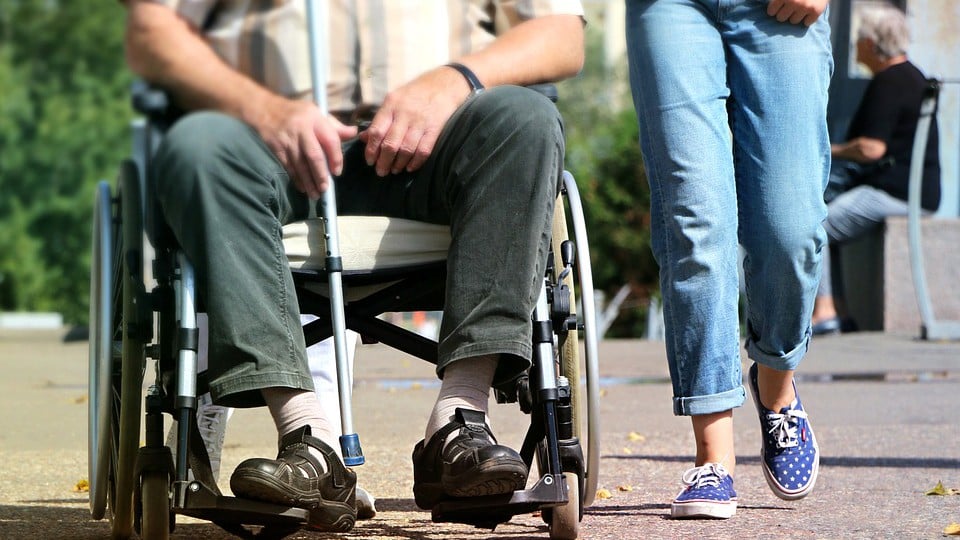
Accessibility Design for Bathrooms
Ensuring public and private bathrooms are well-designed, accessible, and healthier.
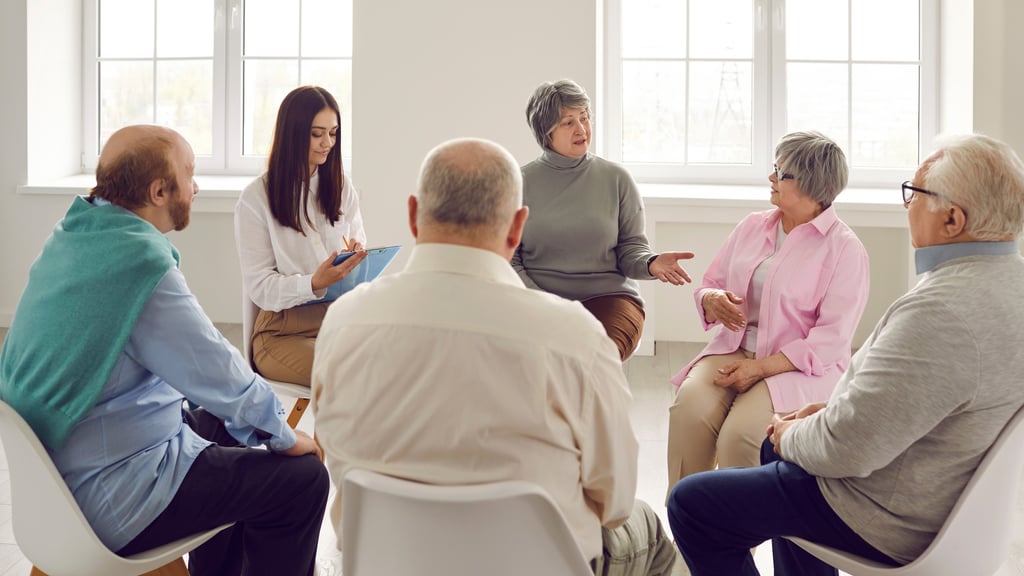
Carer Knowledge Exchange
With funding from the NSW Department of Communities and Justice, the Exchange will support improved outcomes for carers and the people they support.
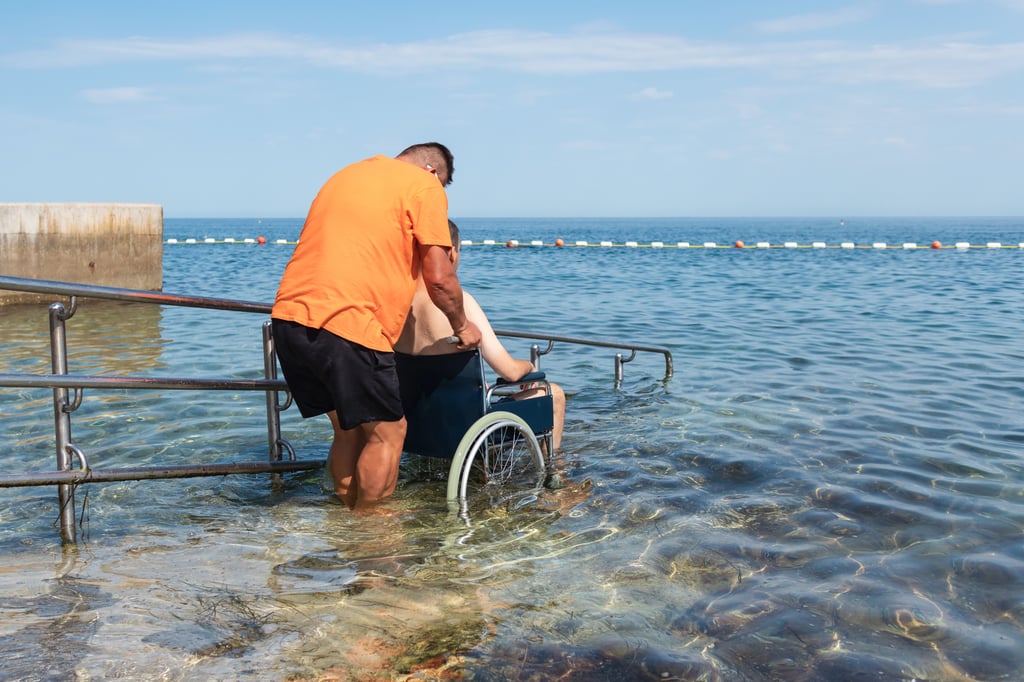
Beaches for all abilities
Access to the beach can be a challenge for many, especially people with a disability. An innovative research program, including UTS and Surf Life Saving NSW, has created positive changes to make our beaches more open spaces for everyone.
Sign up for our mailing list
Register now to keep up to date with the UTS Disability Research Network.
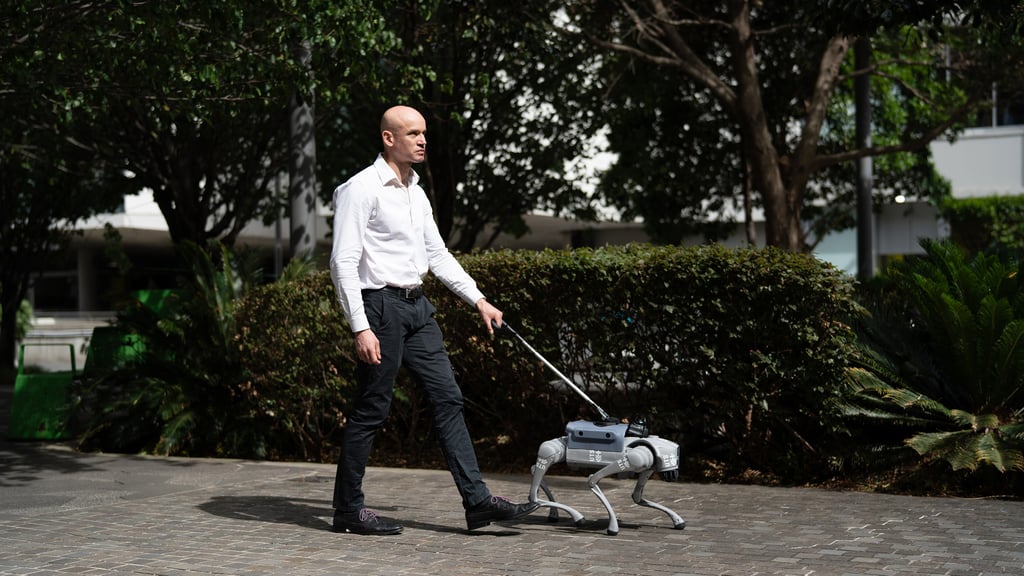
Eye robot: Inclusive mobility aid on leash for national award
An Australian-first robotic mobility aid for people who are blind or have low vision has taken out a leading national robotics award.
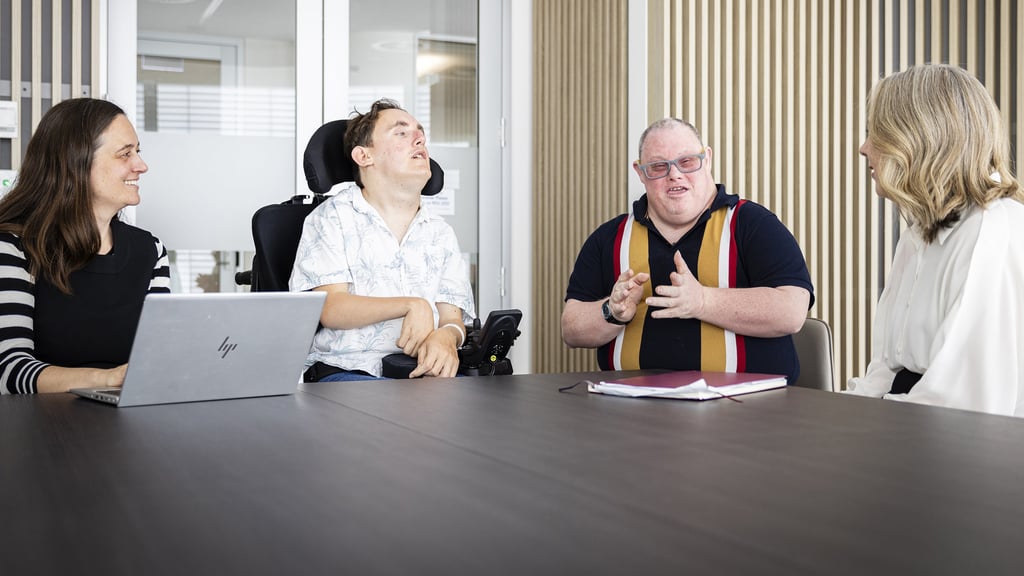
Remembering disability institutions
UTS research seeks to put Australia’s disability history at the centre of government planning processes.
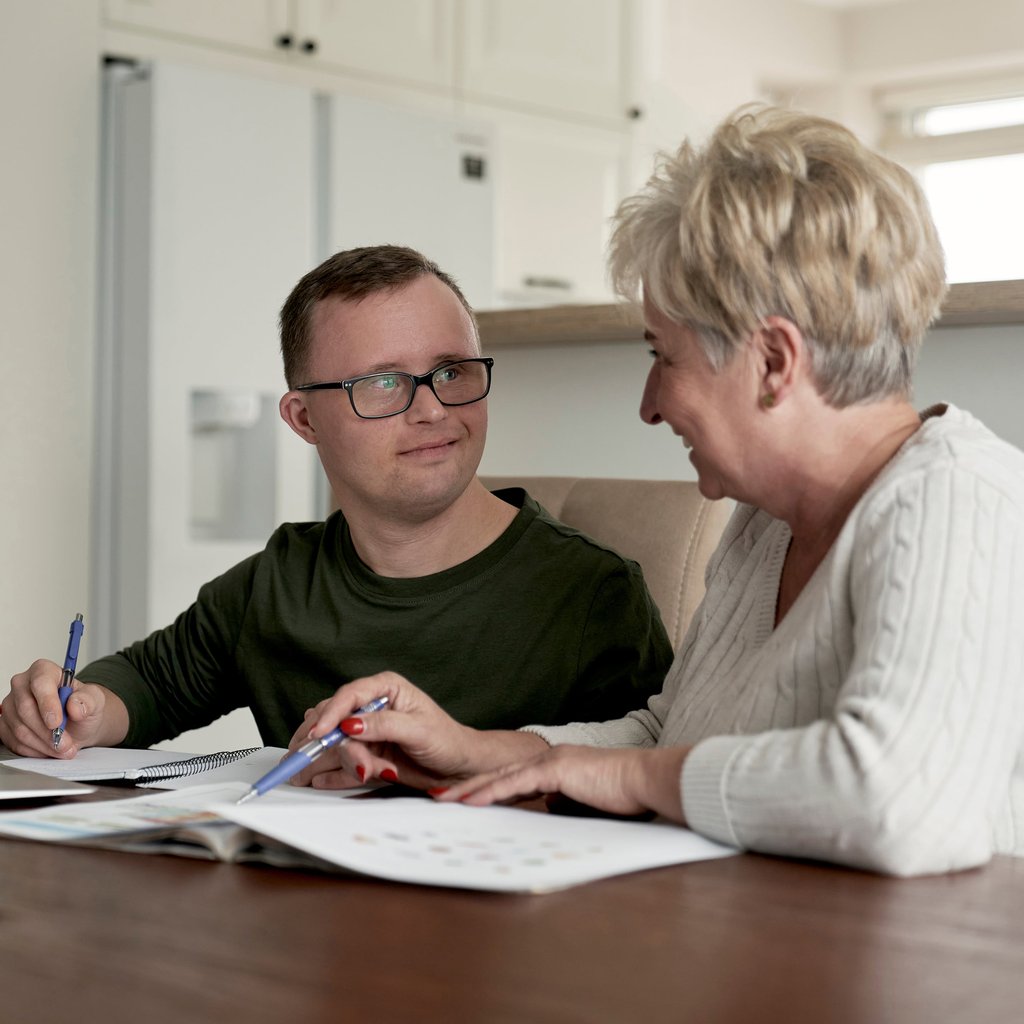
My voice, your words: AI helps NDIS participants speak up
Artificial intelligence tools are transforming communication between National Disability Insurance Scheme participants and providers.
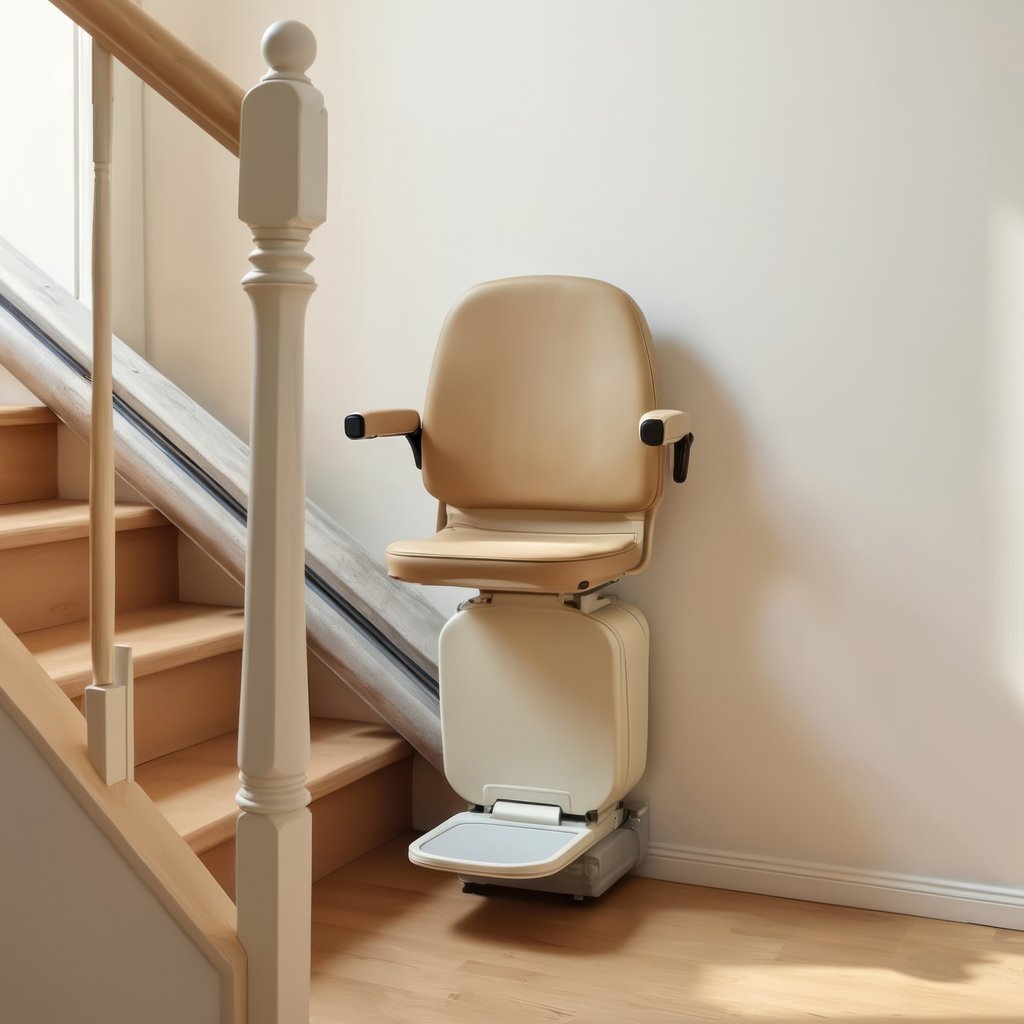
Designing dignity: A new model for end-of-life care in disability support homes
Dr Asquith partnered with Northcott Innovation to create a strategy for end–of–life care for people living with cognitive disabilities across 100 Supported...
Eye robot: Inclusive mobility aid on leash for national award
An Australian-first robotic mobility aid for people who are blind or have low vision has taken out a leading national robotics award.
Remembering disability institutions
UTS research seeks to put Australia’s disability history at the centre of government planning processes.
My voice, your words: AI helps NDIS participants speak up
Artificial intelligence tools are transforming communication between National Disability Insurance Scheme participants and providers.
Designing dignity: A new model for end-of-life care in disability support homes
Dr Asquith partnered with Northcott Innovation to create a strategy for end–of–life care for people living with cognitive disabilities across 100 Supported...