UTS Apple Developer Academy logo

Are you passionate about making a positive impact in the world?
Questions?

Contact us at: AppleFoundationProgram

The Apple Foundation Program at UTS offers a challenge-based learning environment where learners will experience the creative process of what it takes to solve real-world problems, collaborate in diverse teams, and design apps using the Apple iOS ecosystem. The program empowers learners with a future fit skill set at the intersection of technology, creativity, and entrepreneurship.

In this rapidly changing world, the skills you’ll learn in the Apple Foundation Program at UTS across problem-solving, collaboration, creation, conceptual thinking, and adaptability will equip you for the future of learning, working, and living.


icon

Strong industry connection


icon

Dedicated mentor team for each cohort

icon

Access the latest Apple devices

In the Apple Foundation Program, we're empowering students to solve real-world problems through challenge-based learning. It's a hands-on journey to master design thinking, coding, and crucial problem-solving skills. It's not just learning – it's doing, creating a path for academic and lifelong achievements. Get ready to think, solve, and lead!

Baki Kocaballi
Director, Apple Foundation Program

Bake Kocaballi

The skills you’ll walk away with

This world-class learning and design program offers a taste of the journey to become an iOS developer with an introduction to the Swift Programming language (a powerful and intuitive programming language for iPhone, iPad, Mac) to prototype an original app idea! The highly transferrable skills you’ll be introduced to as an Apple Foundation Program student include:

  • Design thinking
  • Prototyping apps and conceptual design
  • User Interface and User Experience design
  • Introduction to Swift coding
  • Introduction to Xcode
  • Storytelling
  • Presentation and pitching of ideas


What you need to know

  • This program is fully funded, and free for learners
  • No prior knowledge, skills or experience of coding is required
  • The Program runs on-campus and face-to-face in Building 11, level 3, room 300 (CB11.03.300)
  • University programs run for 4 weeks, five days per week, 9:30am to 2:00pm
  • High school programs run for 3 weeks, five days per week, 9:30am to 2:00pm
  • A MacBook and iPhone will be loaned to all participating students. 

Students across all faculties are invited to apply


Student projects

  • Singular

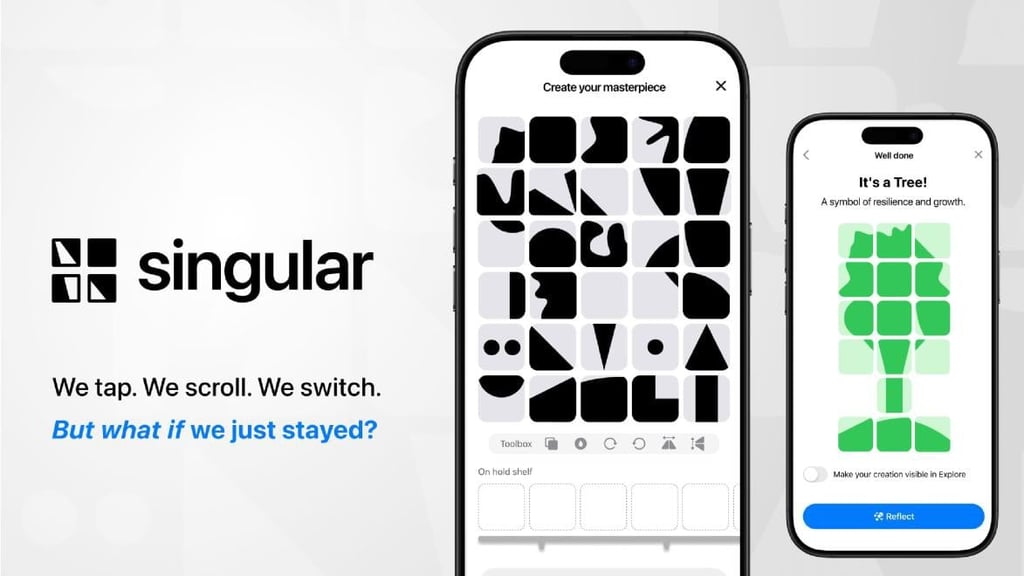
    Singular helps young adults retrain their focus in a world of digital distraction through a creative mobile experience where they use 30 shape pieces to craft visuals, reflect on their focus state through AI insights, and track their growth in staying present.
  • Three smartphones display a creative app for designing abstract shapes and patterns. The left screen shows black shapes, the middle screen a tree, and the right screen lists reflections. The word "Singular" is on the left with the text: "We tap. We scroll. We switch. But what if we just stayed?"
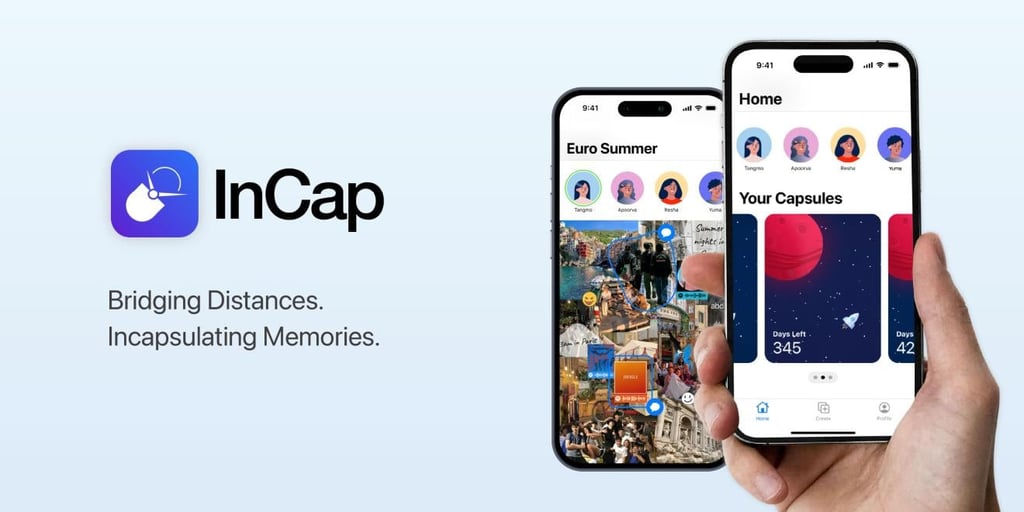
  • A hand holds a smartphone displaying the "InCap" app, featuring time capsules and user avatars. Slogan: "Bridging Distances. Incapsulating Memories." Another phone in the background shows a collage for "Euro Summer."
  • InCap

    InCap is a collaborative memory-sharing app where friends choose a themed time capsule, contribute photos, drawings and voice notes to a shared mood board, seal it, and enjoy playful countdown updates before revealing a layered collage of memories together.
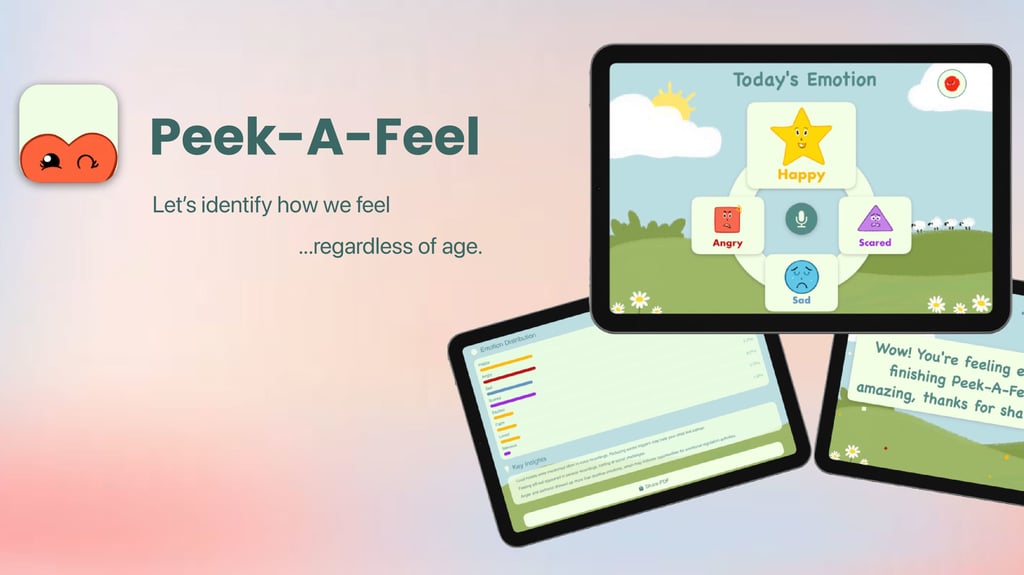
     

  • Peek-A-Feel 

    Peek-A-Feel is a playful wellbeing app for children aged 3–5 that helps them recognise and express their emotions through simple visuals, voice recording, and personalised feedback while tracking emotional patterns to provide insights for parents and carers.
  • "Peek-A-Feel app display with a cheerful, cartoonish interface showing emotions: Happy, Angry, Sad, Scared. Background features a sunny landscape."
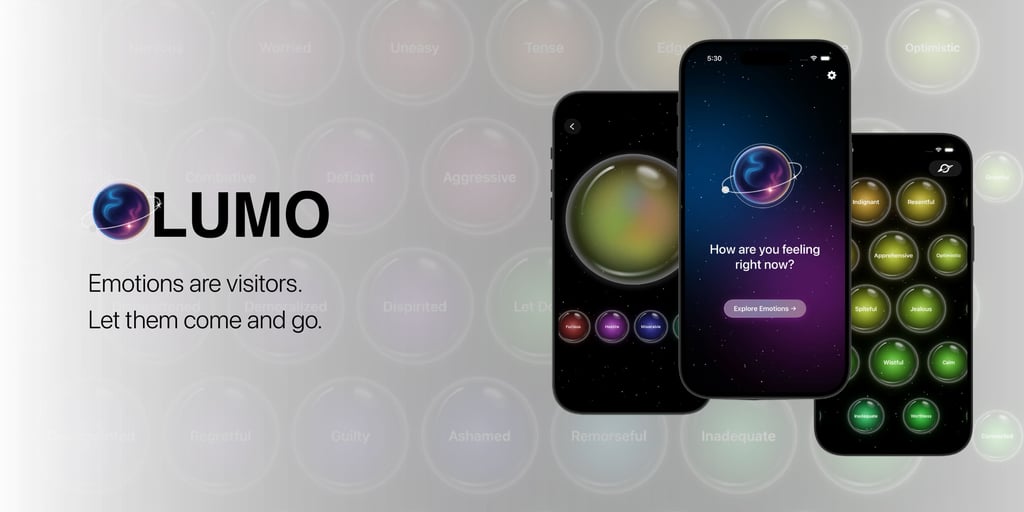
  • Three smartphones display the Lumo app interface against a blurred background of colorful emotion bubbles. The center screen shows a galaxy-like orb with the text, 'How are you feeling right now?' and a button labeled 'Explore Emotions.' The left and right screens showcase different emotion selections through vibrant, circular icons. The image creates a calming and introspective tone.
  • Lumo

    Lumo helps people recognise and understand their emotions within a 2D emotional universe, where they can explore 196 feelings by energy and pleasantness, read simple explanations, and visualise and gently release emotions as flowing, colourful bubbles.


Program dates for 2026

The Apple Foundation Program at UTS runs several times a year with classes running from 9:30am to 2:00pm. High school cohorts run over three weeks, and UTS cohorts run over four weeks.

7 April to 24 april, High School Cohort

18 May to 12 June, UTS Cohort

6 July to 24 July, High School Cohort

26 October to 13 November, UTS STARTUPS COHORT


How to apply

All UTS students are invited to apply now for the May 2026 Apple Foundation Program. Applications close on 19th April. 

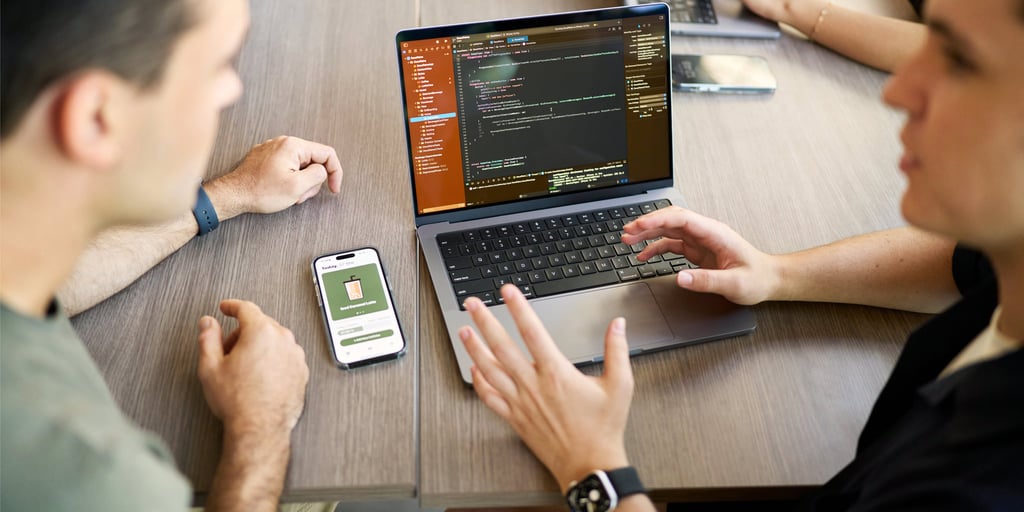
Two people having a discussion with their laptop and phone on the table in the background

Meet your mentors 

Baki Kocaballi

Bake Kocaballi

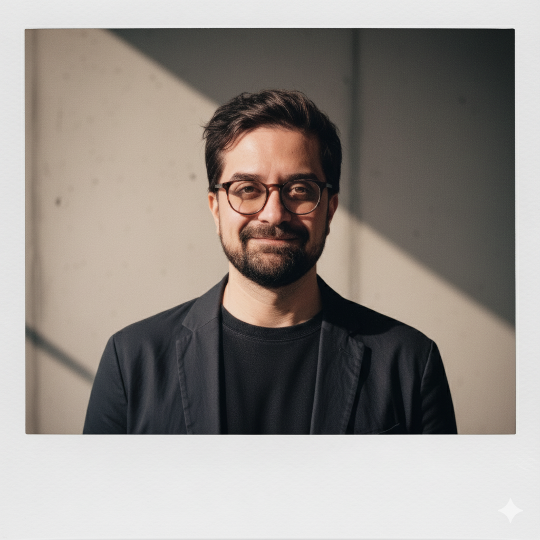
Baki Kocaballi is the director of Apple Foundation Program, and a senior lecturer at the School of Computer Science, UTS. His research is situated within the intersection of artificial intelligence, digital health, and interaction design with a focus on multimodal and conversational systems. His work has received several academic awards and recognitions, and his research has been published in the top-ranking journals.

Sebastian Groundstroem

Sebastian Groundstroem

Sebastian brings a wealth of experience in UX design and research to his roles in both the industry and academia. As an associate lecturer at UTS, he led lectures and tutorials, specialising in the field of user experience and interaction design. His involvement in research projects at the Visualisation Institute showcases his commitment to innovation in design. Presently, Sebastian is fully devoted to his role in the Apple Foundation Program, continuing to foster growth and advancement in the intersection of technology and education. 

Avinash Singh

Avinash Singh

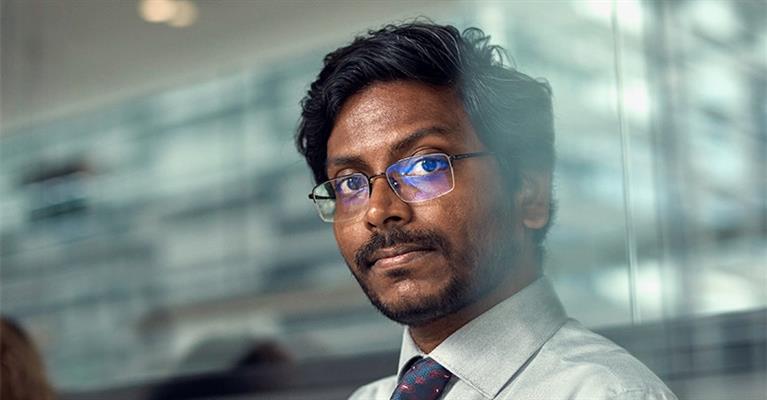
Avinash Singh, I specialise in the field of Brain-Computer Interface (BCI) technology, enables direct communication with the brain to interact with the surrounding environment. I work in the intersection of artificial intelligence, cognitive neuroscience and the innovative applications of augmented/virtual reality (AR/VR) to develop real-world neuroadaptive BCI systems. I support a translational educational approach, championing a learning environment that is dynamic, practice-focused, and deeply rooted in research-driven innovation. This commitment ensures that the knowledge and technology we develop are not only groundbreaking but also applicable and accessible in everyday scenarios.

Shuvam Shresha

Shuvam Shrestha

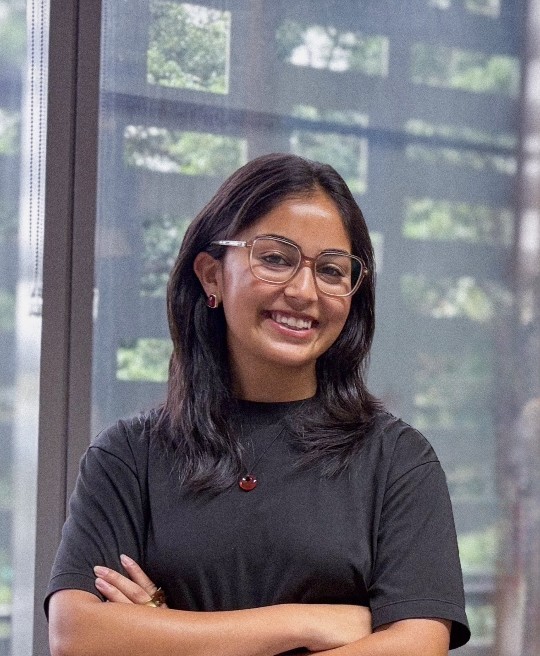
Shuvam blends design and development in his role as a research assistant, working within a transdisciplinary environment to prototype and develop a multiplatform iOS application that supports digital tools used in Australian healthcare. As a sessional lecturer at UTS, he teaches the fundamentals of iOS development alongside generative artificial intelligence techniques, empowering students to enhance both their coding efficiency and creativity. Shuvam is committed to making the complexities of coding more accessible and engaging for learners from diverse backgrounds.

Amara Atif 

Amara Atif

Amara is a teacher at heart. Her philosophy of teaching has evolved through diverse academic and professional experiences. She values cultivating an interactive learning environment that embraces students from various backgrounds, fostering their growth and development through personalised guidance, constructive feedback, and a commitment to nurturing individual potential. Amara has garnered multiple teaching and learning awards, showcasing her outstanding contributions and impact in the field of education.

Firas Al-Doghman

Firas Al Doghman, Lecturer at UTS

A lecturer with expertise honed over four years of teaching the Foundation and Advanced iOS development subjects at UTS. As a seasoned mentor in the Apple Foundation program for the past year, I'm dedicated to empowering learners to master the art of app development and innovation.

Wesley Hahn

Wesley Hahn

Hey, I'm Wes! I thrive on wild, creative concepts and the thrill of making them a reality through technology. Formerly behind the scenes at arena concerts and TV shows, I've leapt back into uni, studying Games Development at UTS. My mission in joining the Apple Foundation is to champion fellow students, giving them the tools to see their ideas come to life!

Hiba Rehman

Hiba Rehman

Hiba is a UX researcher and learning facilitator who’s passionate about using design thinking to drive meaningful, social change. At the Apple Foundation program she empowers learners to utilise design thinking as a powerful tool for innovation and problem-solving. With industry experience across digital design, online marketing, and academic research, Hiba brings a multidisciplinary mindset to her teaching. Her approach is student-centred, practical, and grounded in real-world impact.

Noah Koshy

Noah Koshy

Noah’s curiosity drives him to learn and apply new skills and technologies to supplement a design thinking-oriented approach to problems. Through an IT degree and an Interaction Design specialisation, along with design and business industry experience (including at a start-up), he has learnt to balance creativity with the right level of practicality. As an Apple Foundation Program alumnus, he now aims to support future students in designing thoughtful solutions.