

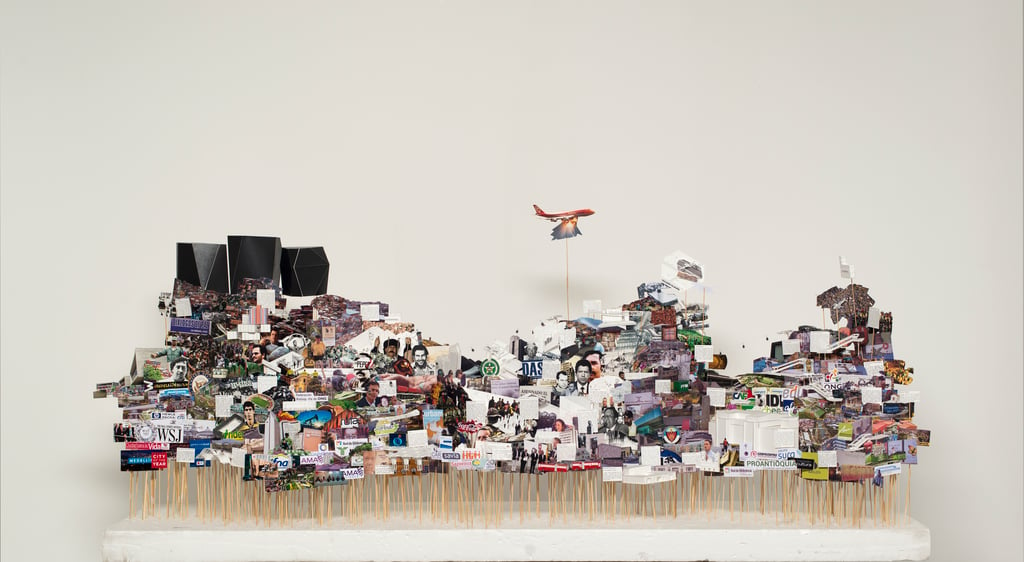
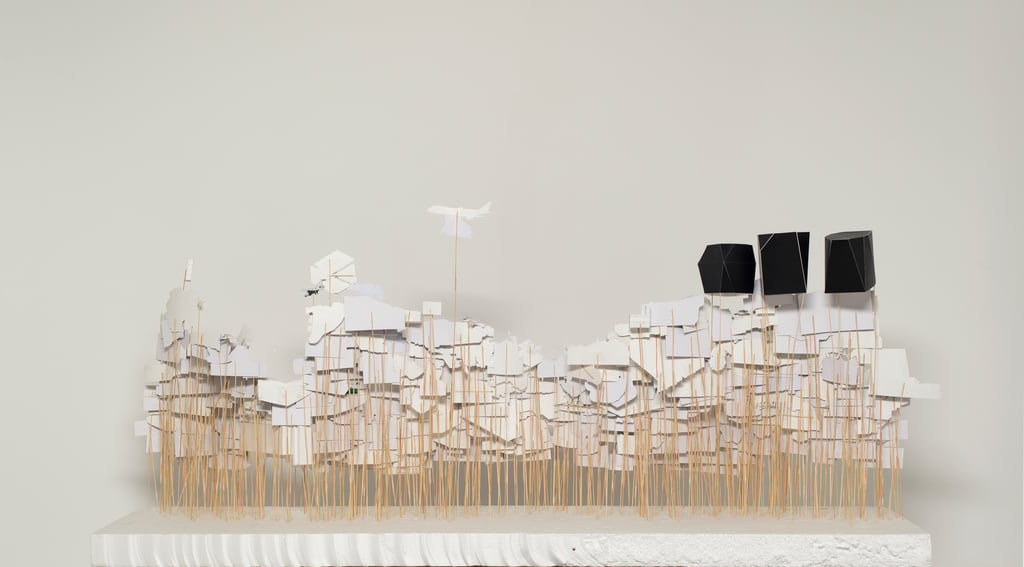
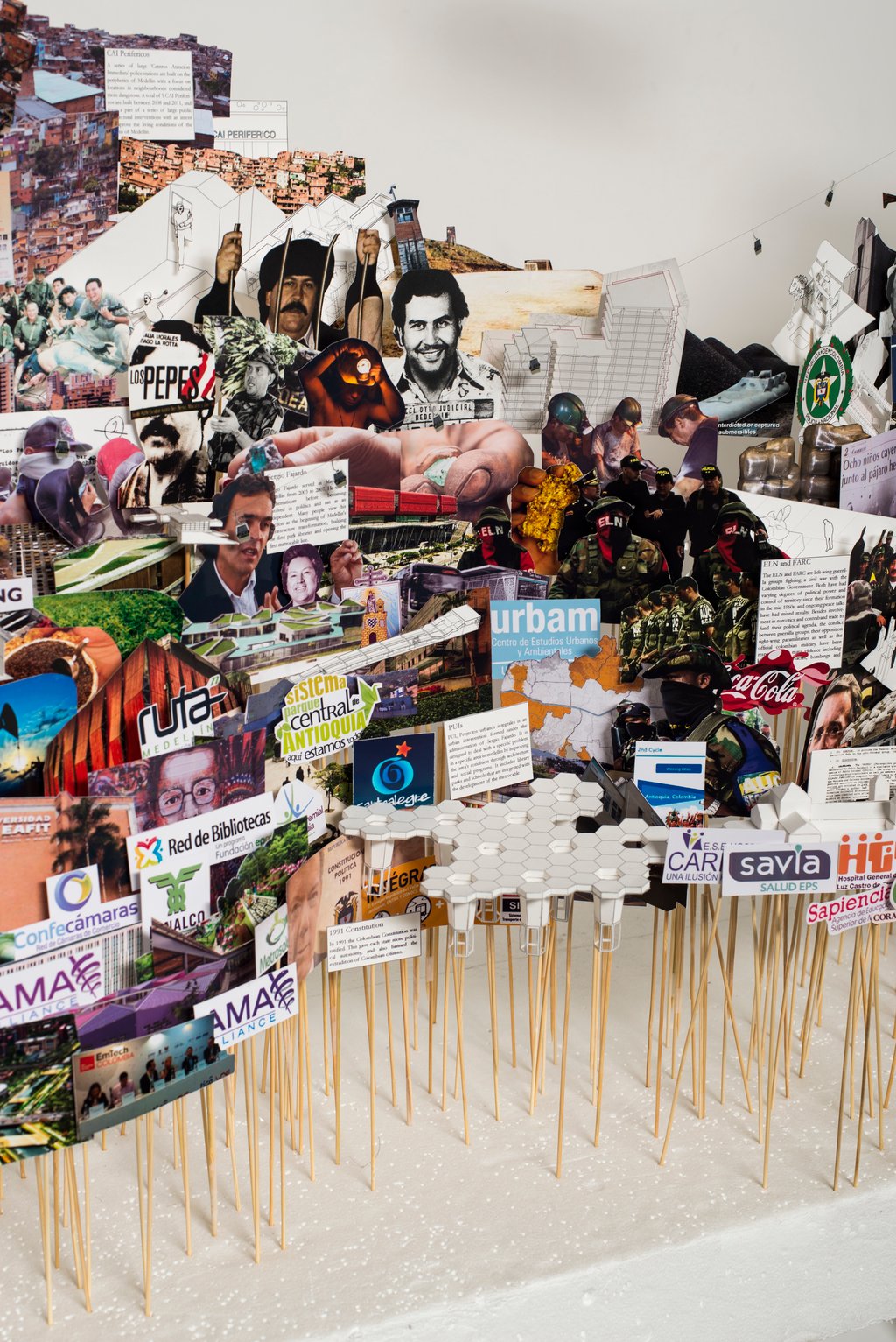
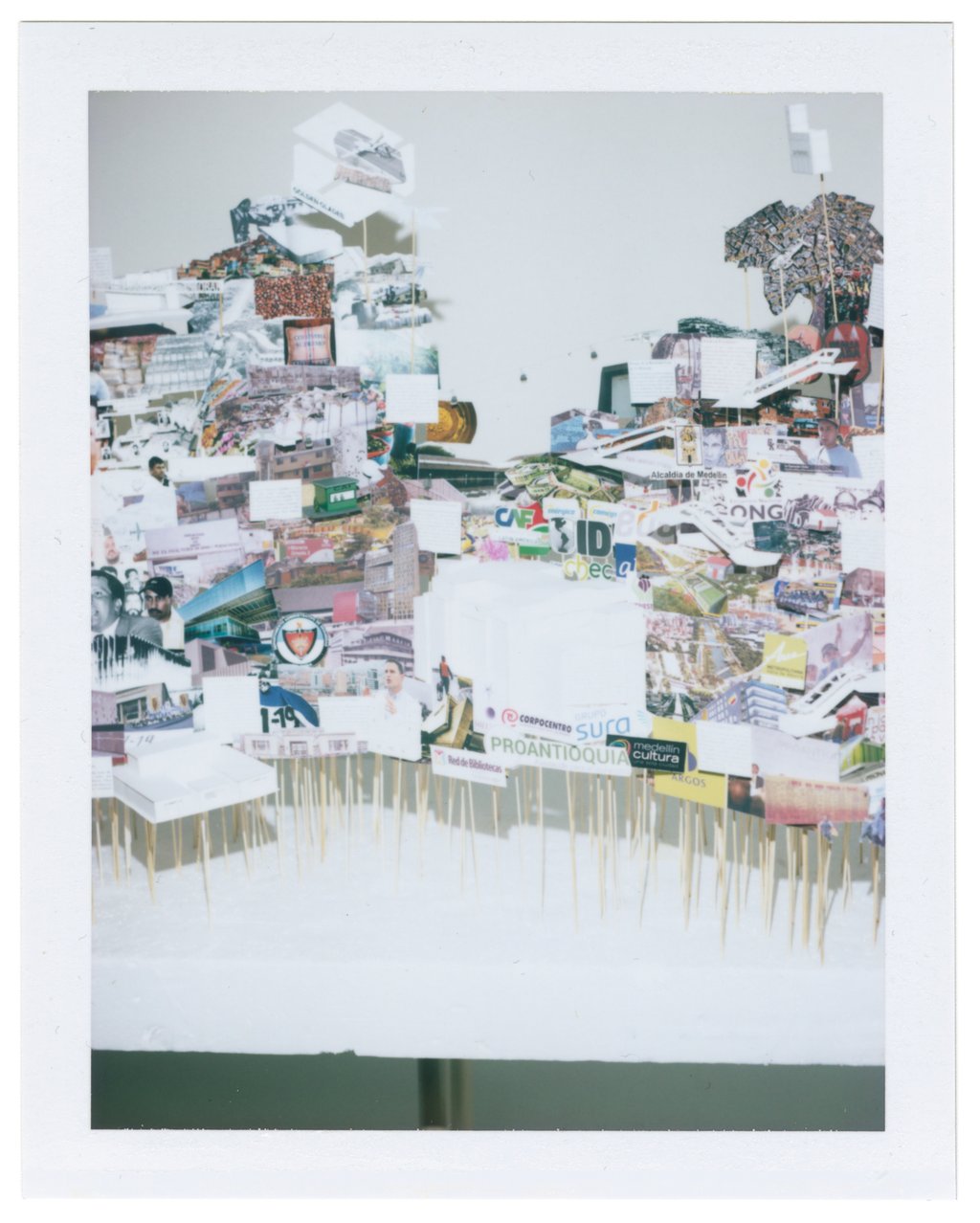
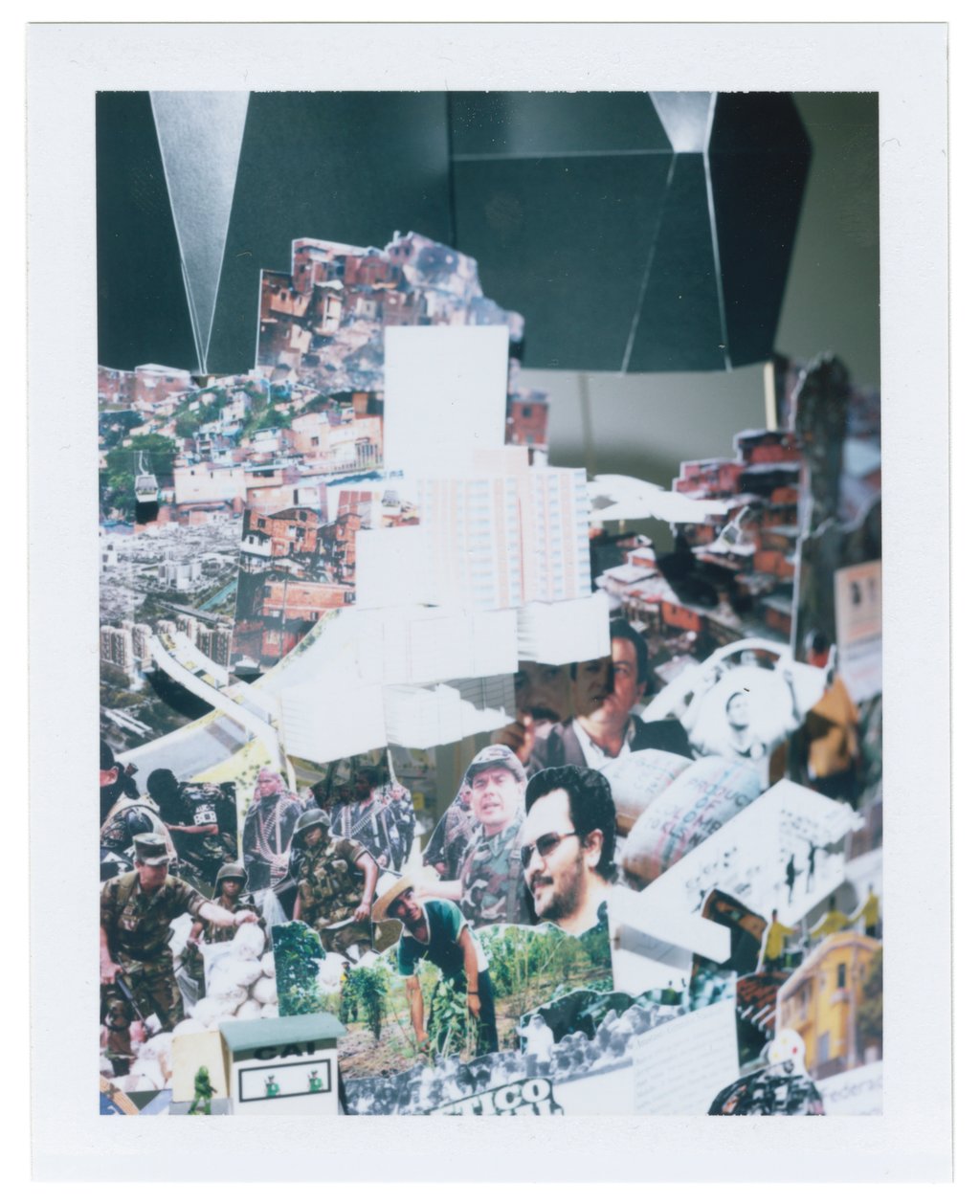
Colombia’s second-largest city, Medellín, sets two parallel urban conditions against each other that have an inherent proximity. Formerly known as the murder capital of the world and home to the Narco-bourgeoisie, Medellín was named the world’s most innovative city in 2013 by the Wall Street Journal, Citi Group and the Urban Land Institute. Placing realisations of urban renewal adjacent to the recent trauma of the Narco-wars, this project reconfigures the urban strategies that have shaped the city since the 1970s.
In questioning the origins of Medellín’s transformation, A Tale of Two Cities: Medellín assesses the city’s structural continuities and architecture’s role in the shift toward positive urban operations. The architectures of ‘social urbanism’ [1], implemented from 2003 during Mayor Sergio Fajardo’s office, are constantly described as the initiators of this operative shift. However, the ability to stabilise the city was formalised during the 1991 constitution change through the redistribution of municipal power.
In Medellín’s specific case, the city’s municipality employed architecture as a means of constructing a new global image. The city has become a media event; an exemplar of architecture’s ability to eradicate violence and introduce political agency under the guise of transformation. In response, this project reviews the rights to Medellín’s urban renaissance by revealing the systems that function in the background of the contemporary urban narrative.
[1] (McGuirk, 2014, p. 243)
Acknowledgements
UTS Faculty of Design and Society, School of Design
Urtzi Grau, Fake Industries Architectural Agonism
Webpage
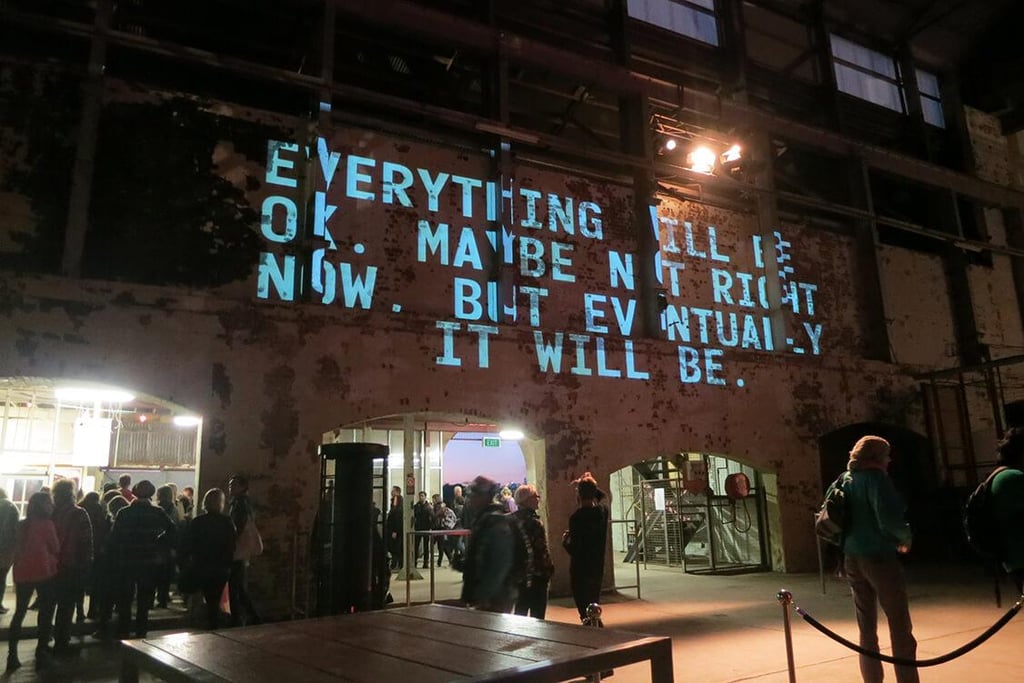
The Art of Writing with Data
The Art of Writing with Data is a series of literary and speculative design-based investigations into telling stories through interweaving and recombining...
Webpage
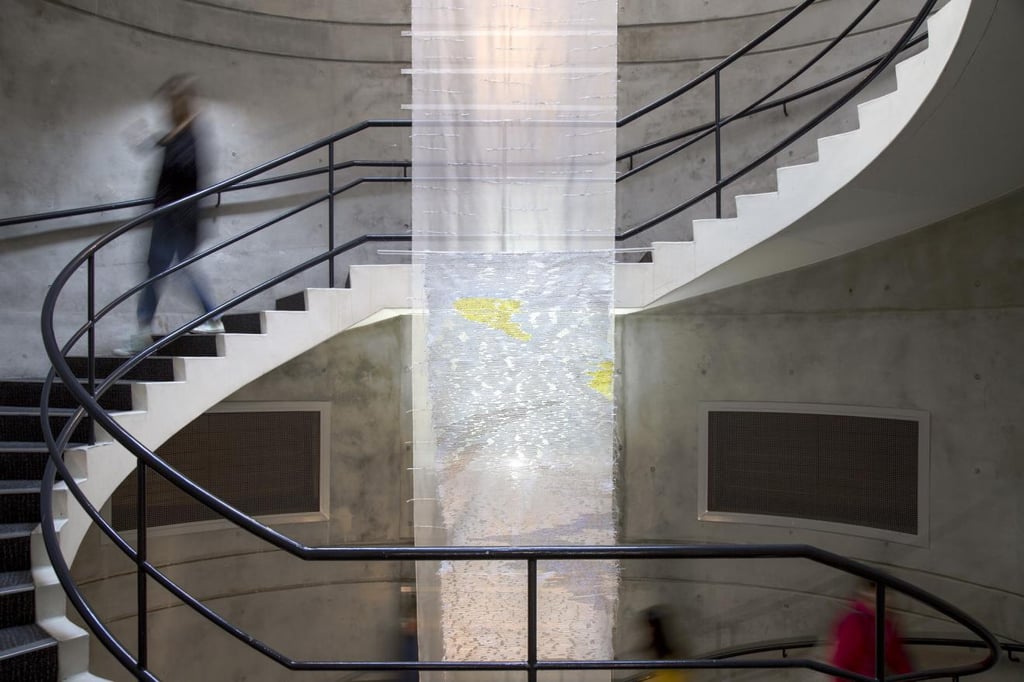
Data Lace
Data Lace is a large-scale contemporary lace installation that explores how materials might embody place through the making of a textile.
Webpage
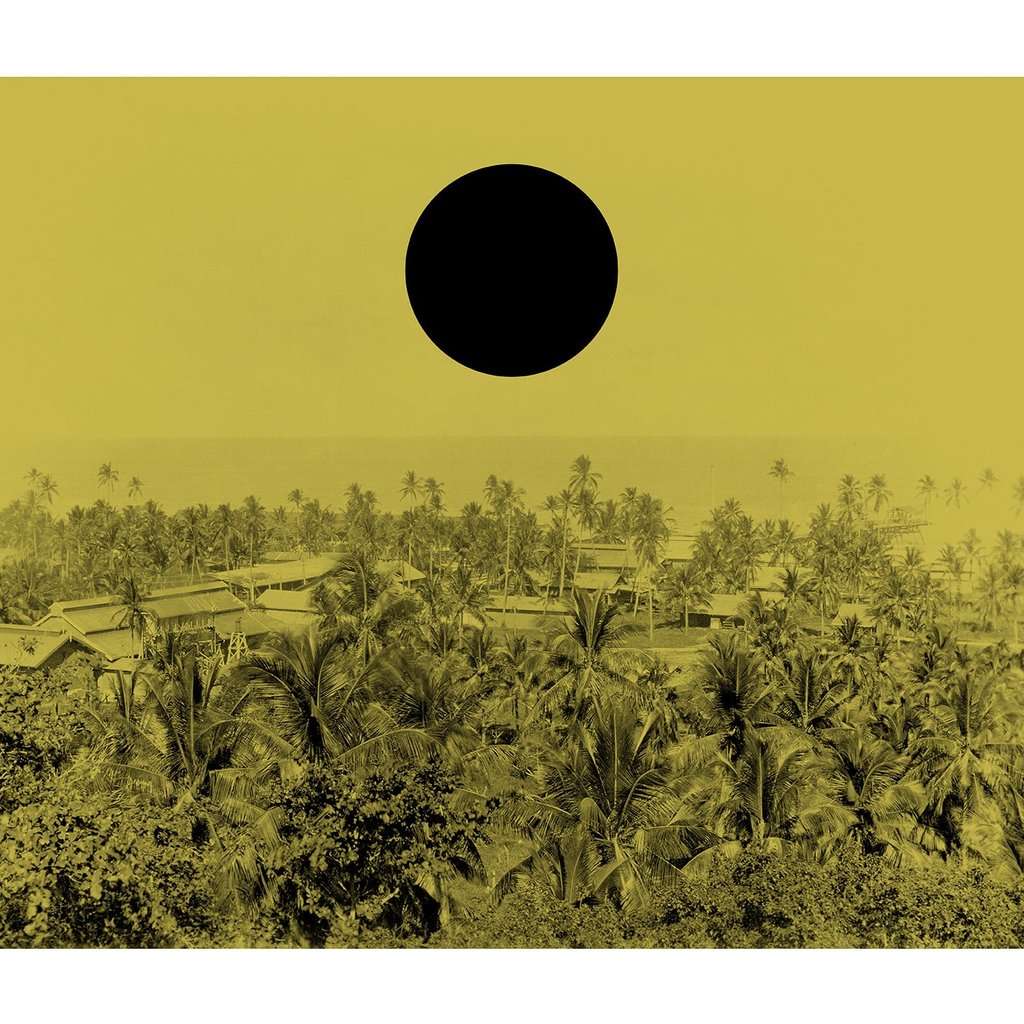
Pleasant Island
Pleasant Island (The Pacific Solution) is a photographic series consisting of 27 images using found historical photographs of Nauru from public Australian...
Webpage
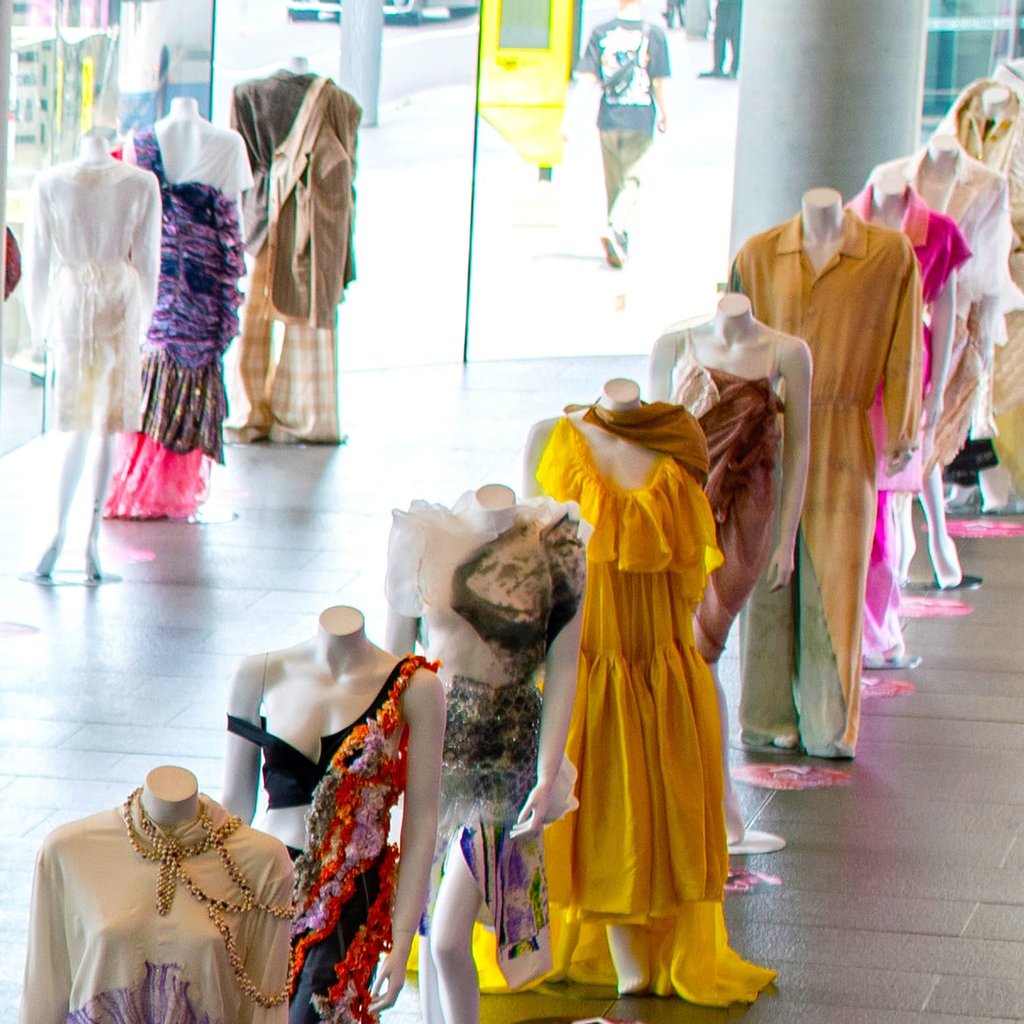
Centre of Excellence in Sustainable Fashion & Textiles
At the Centre of Excellence, we’re transitioning the Australian fashion sector toward sustainability and Industry 4.0.
Webpage
The Art of Writing with Data
The Art of Writing with Data is a series of literary and speculative design-based investigations into telling stories through interweaving and recombining...
Webpage
Data Lace
Data Lace is a large-scale contemporary lace installation that explores how materials might embody place through the making of a textile.
Webpage
Pleasant Island
Pleasant Island (The Pacific Solution) is a photographic series consisting of 27 images using found historical photographs of Nauru from public Australian...
Webpage
Centre of Excellence in Sustainable Fashion & Textiles
At the Centre of Excellence, we’re transitioning the Australian fashion sector toward sustainability and Industry 4.0.